After Pentecost
August 2, 2022
A Double leads; St. Stephen I is commemorated.Rubric
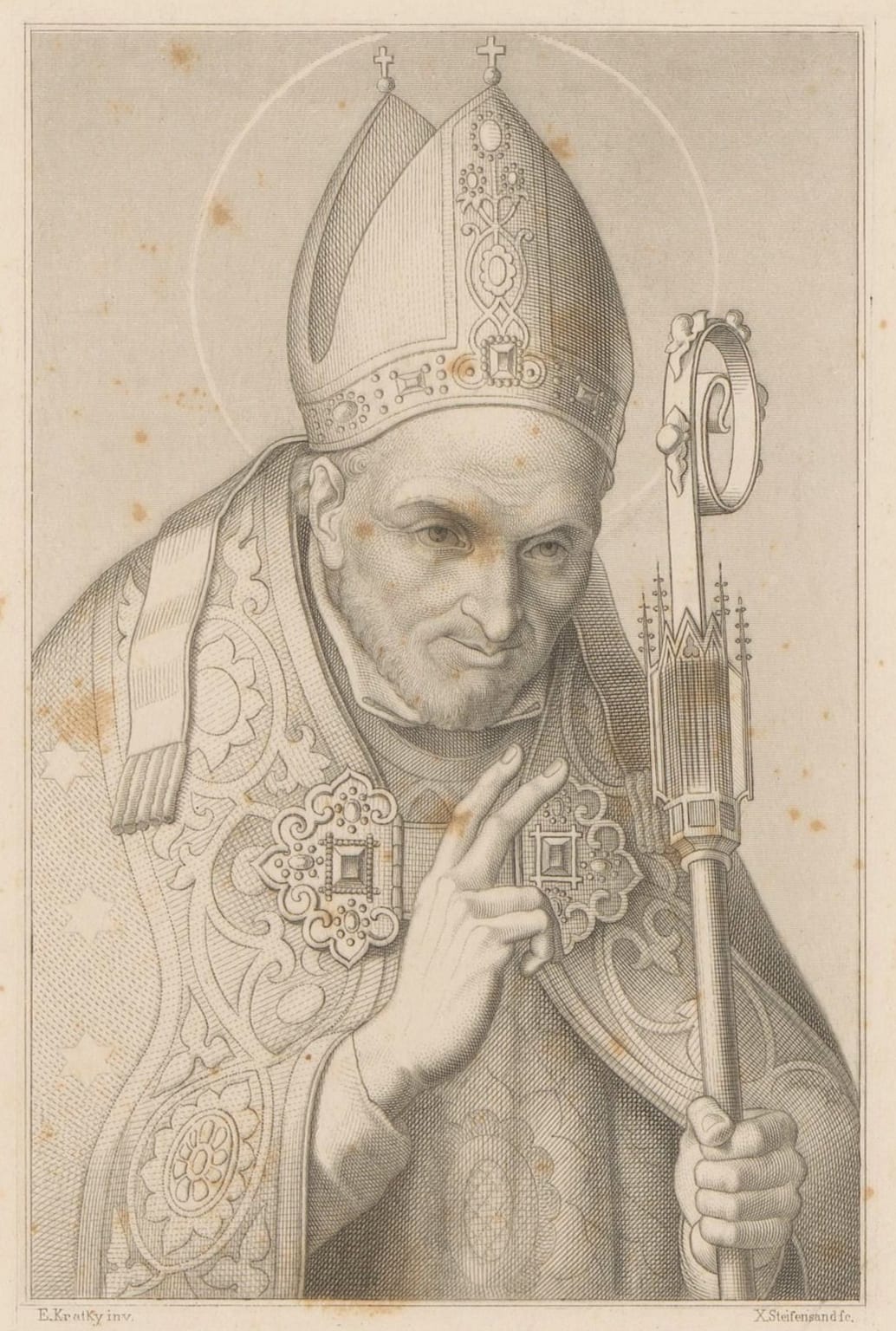
August 2: St. Alphonsus Mary Liguori, Bishop and Doctor of the Church
From Dom Guéranger’s The Liturgical Year.
YESTERDAY we admired, in Peter and the Machabees, the substructure of the palace built by Wisdom in time to endure for eternity. To-day, in conformity with the divine ways of that Wisdom, who in her playing reaches from end to end, we are suffered to contemplate the progress of the glorious building, to behold the summit of the work, the last row of stones actually laid. Now, summit and foundation, the work is all one; the materials are all priceless: witness the diamond of fine water which displays its lustre to-day.
To this great saint, great both in works and in doctrine, are directly applied these words of the Holy Ghost: They that instruct many to justice shall shine as stars for all eternity. At the time he appeared an odious sect was denying the mercy and the sweetness of our heavenly Father; it triumphed in the practical conduct of even those who were shocked by its Calvinistic theories. Under pretext of a reaction against an imaginary school of laxity, and denouncing with much ado some erroneous propositions made by obscure persons, the new Pharisees had set themselves up as zealous for the law.