After Pentecost
August 3, 2022
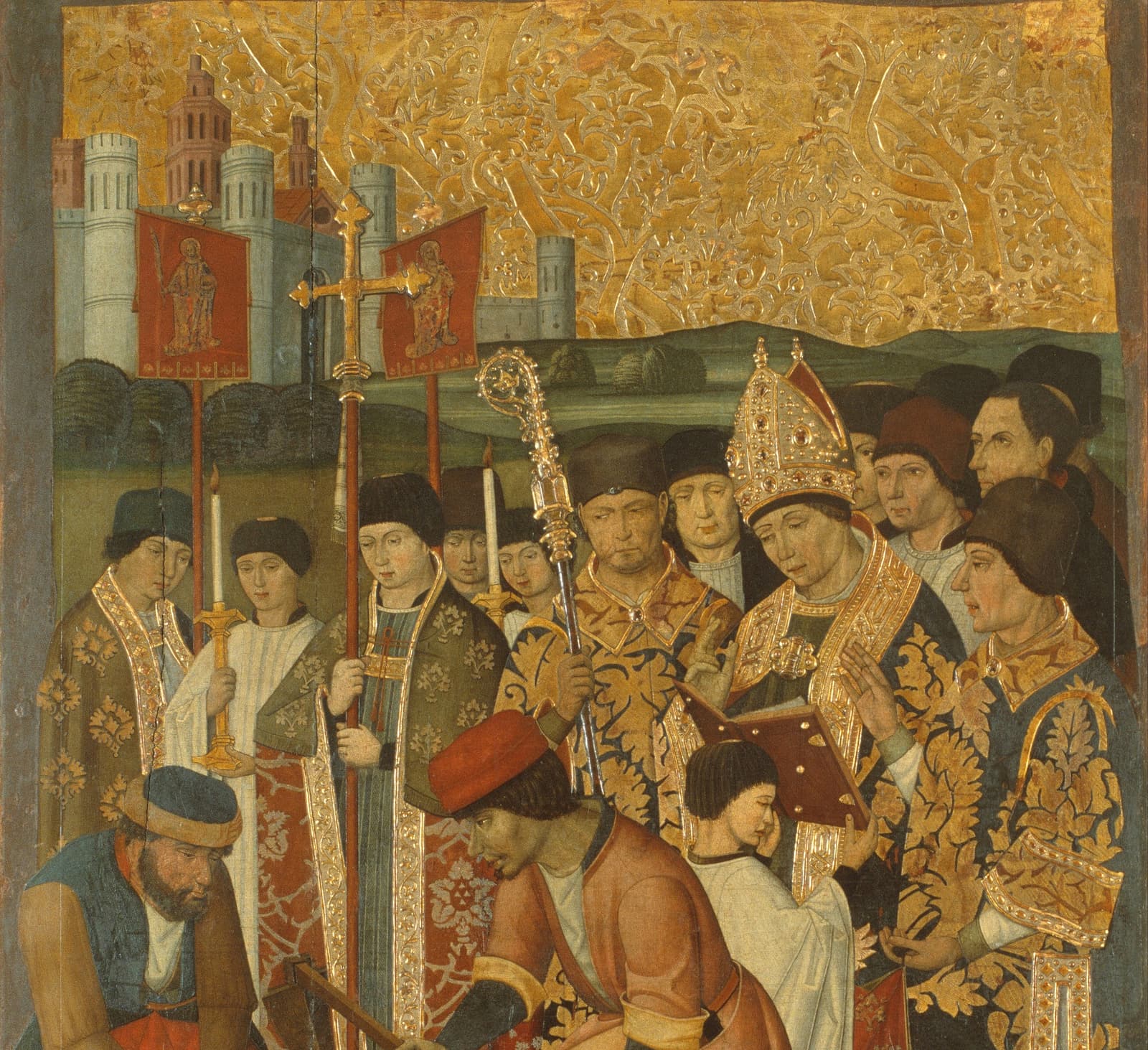
August 3: Finding of St. Stephen, Protomartyr
From Dom Guéranger’s The Liturgical Year.
URGED by the approach of Laurence's triumph, Stephen rises to assist at his combat; it is a meeting full of beauty and strength, revealing the work of eternal Wisdom in the arrangement of the sacred cycle. But the present feast has other teachings also to offer us.
The first resurrection, of which we spoke above, continues for the saints. After Nazarius and Celsus, and all the martyrs whom the victory of Christ has shown to be partakers of His glory according to the divine promise, the standard-bearer of the whiterobed army himself rises glorious from his tomb to lead the way for new triumphs. The fierce auxiliaries of God’s anger against idolatrous Rome, after reducing the false gods to powder, must in their turn be subjugated; and this second victory will be the work of the martyrs aiding the Church by their miracles, as the first was that of their faith despising death and tortures. The received method of writing history in our days ignores such considerations; that is no reason why we should follow the fashion; the exactitude of its data, on which the science of this age plumes itself, is but one more proof that falsehood is as easily nurtured by omissions as by positive misstatements.