This day

February 6, 2023

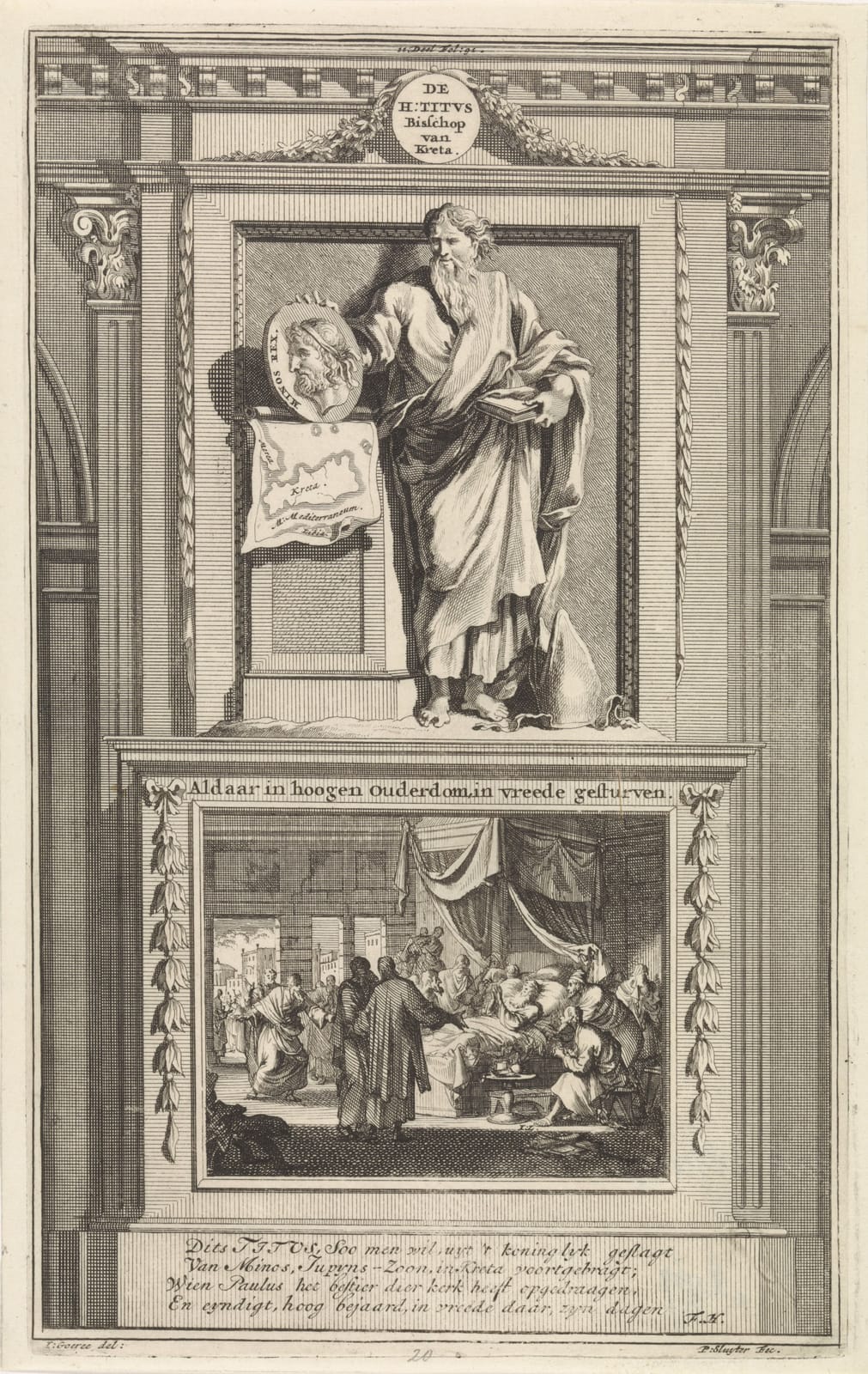
De H. Titus, bishop of Crete
De H. Titus Bisschop van Kreta, Anonymous, 1698. Credits

Septuagesima

February 6, 2023

A Double leads the weekday; St. Dorothy is commemorated.Rubrics

February 6: St. Titus, Bishop and Confessor

From Dom Guéranger’s The Liturgical Year.

We are to celebrate, to-day, the Feast of a holy Bishop of the Apostolic Age—a Disciple of the Apostle St. Paul. Little is known of his life; but, by addressing to him one of his inspired Epistles, the Apostle of the Gentiles has immortalised his memory. Wheresoever the Faith of Christ has been or shall be preached, Titus’ name has been venerated by the Faithful; and as long as the world lasts, the holy Church will read to her children this Epistle, which was written, indeed, to a simple Bishop of the Isle of Crete, but was dictated by the Holy Ghost, and therefore destined to be a part of those Sacred Scriptures, which contain the Word of God. The counsels and directions given in this admirable Letter, were the rule of the holy Bishop, for whom St. Paul entertained a very strong affection. St. Titus had the honour of establishing the Christian Religion in that famous Island, which was one of the strongholds of Paganism. He survived his master, who was put to death by Nero. Like St. John, he sweetly slept in Christ at a very advanced age, respected and loved by the Church he had founded.

Monday of Septuagesima Week

From Dom Guéranger’s The Liturgical Year.

The serpent said to the woman: 'Why hath God commanded you, that you should not eat of every tree of paradise?' Thus opened the conversation, which our mother Eve so rashly consents to hold with God’s enemy. She ought to refuse all intercourse with Satan; she does not; and thereby she imperils the salvation of the whole human race.

Let us recall to mind the events that have happened up to this fatal hour. God, in His omnipotence and love, has created two beings, upon whom He has lavished all the riches of His goodness. He has destined them for immortality; and this undying life is to have everything that can make it perfectly happy. The whole of nature is made subject to them. A countless posterity is to come from them, and love them with all the tenderness of grateful children. Nay, this God of goodness who has created them, deigns to be on terms of intimacy with them; and such is their simple innocence, that this adorable condescension does not seem strange to them. But there is something far beyond all this.

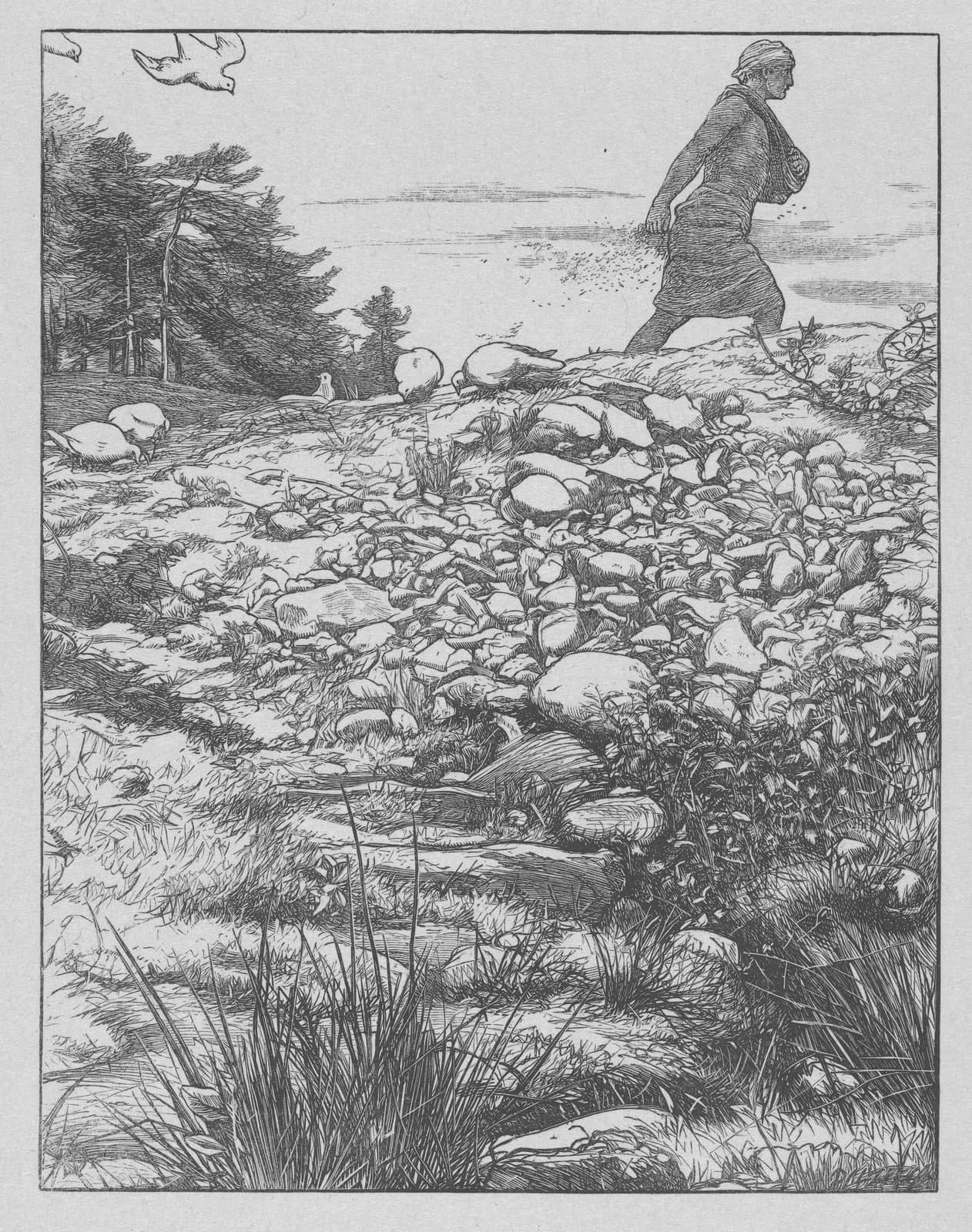
A sower scatters seed on rocky and thorny ground
Sir John Everett Millais (1829–1896), The Sower, from The Parables of Our Lord and Saviour Jesus Christ, 1864. Credits

Email view of this day