This day

October 7, 2023

After Pentecost

October 7, 2023

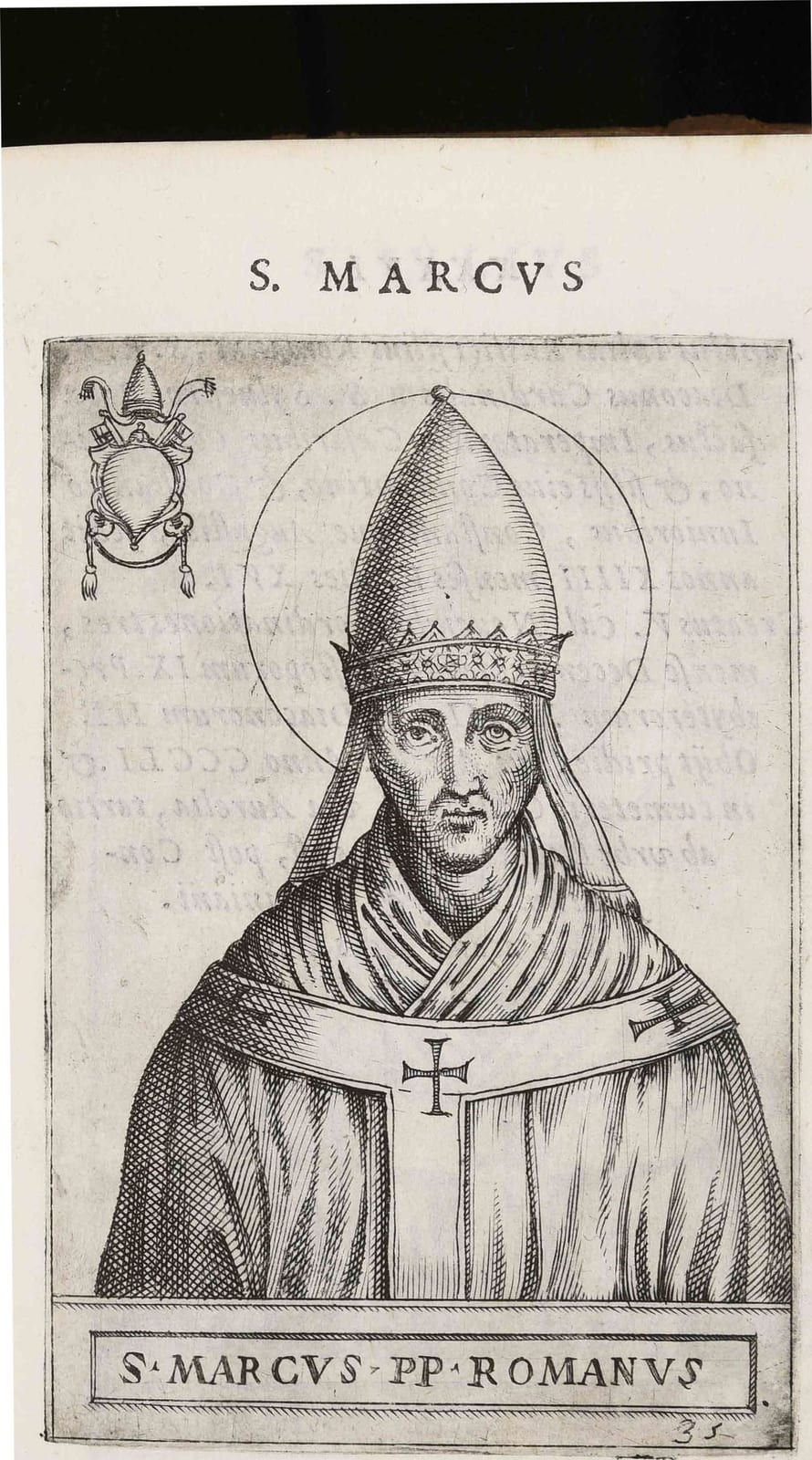
October 7 (the Same Day): St. Mark, Pope and Confessor

From Dom Guéranger’s The Liturgical Year.

Mark, successor to Sylvester the Pontiff of peace, has been honoured on this day from time immemorial. According to the testimony of St. Damasus, his virtues no less than his name recalled St. Mark the Evangelist. He occupied the supreme See only eight months, but in that short time, he followed up the recent triumph of the Church by wise organizations. He built two new sanctuaries in Rome. He gave the pallium, of which this is the first mention in history, to the bishop of Ostia, to enhance his high privilege of being the appointed consecrator of the Roman Pontiffs.

This pontificate witnessed the awful death of Arius. Constantine had been deceived into ordering the reinstatement of this wicked man, who taught that the Word Incarnate was a mere creature. The heresiarch, followed by his partisans, was proceeding in triumph through the streets of Constantinople, intending to force open the doors of the basilica, where the faithful, with their bishop St. Alexander, were beseeching God, with fasting and tears, to avert the profanation. Suddenly, seized with an ignominious trembling, Arius was obliged to retire to a secret place, where his flatterers soon afterwards found him stretched upon the floor with his bowels cast out.
Chapter 3: The Practice for the Time after Pentecost

From Dom Guéranger’s The Liturgical Year.

The object which the Church has in view by her liturgical year is the leading of the Christian soul to union with Christ, and this by the Holy Ghost. This object is the one which God Himself has in giving us His own Son to be our mediator, our teacher, and our Redeemer, and in sending us the Holy Ghost to abide among us. To this end is directed all that aggregate of rites and prayers which we have hitherto explained: they are not a mere commemoration of the mysteries achieved for our salvation by the divine goodness, but they bring with them the graces corresponding to each of those mysteries; that thus we may come, as the apostle expresses it, ‘to the age of the fullness of Christ.’

As we have elsewhere explained, our sharing in the mysteries of Christ, which are celebrated in the liturgical year, produces in the Christian what is called in mystic theology the illuminative life, in which the soul gains continually more and more of the light of the Incarnate Word, who, by His examples and teachings, renovates each one of her faculties, and imparts to her the habit of seeing all things from God’s point of view.

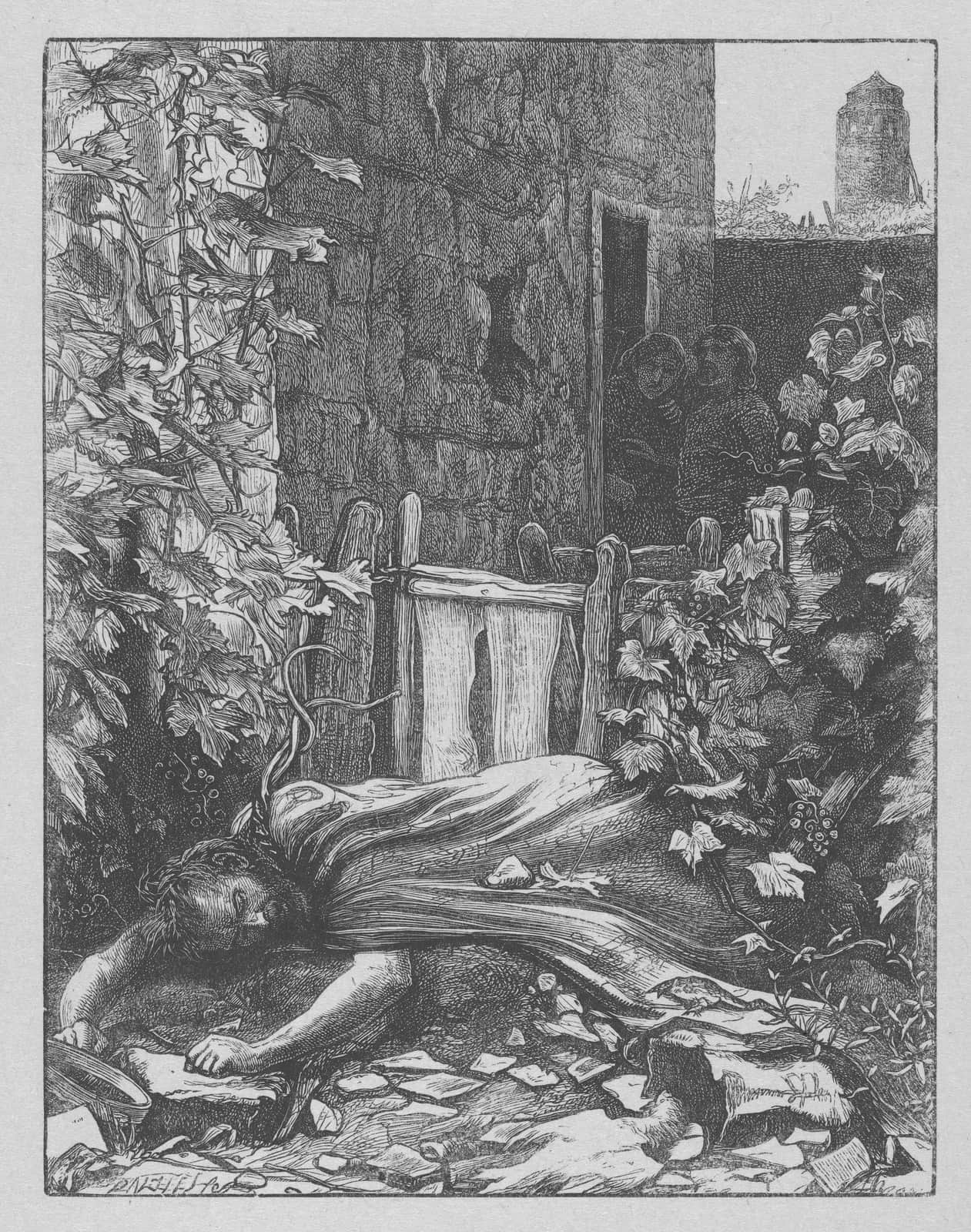
The parable of the wicked husbandmen
Sir John Everett Millais (1829–1896), The Wicked Husbandmen, from The Parables of Our Lord and Saviour Jesus Christ, 1864. Credits

Email view of this day