This day

October 15, 2023

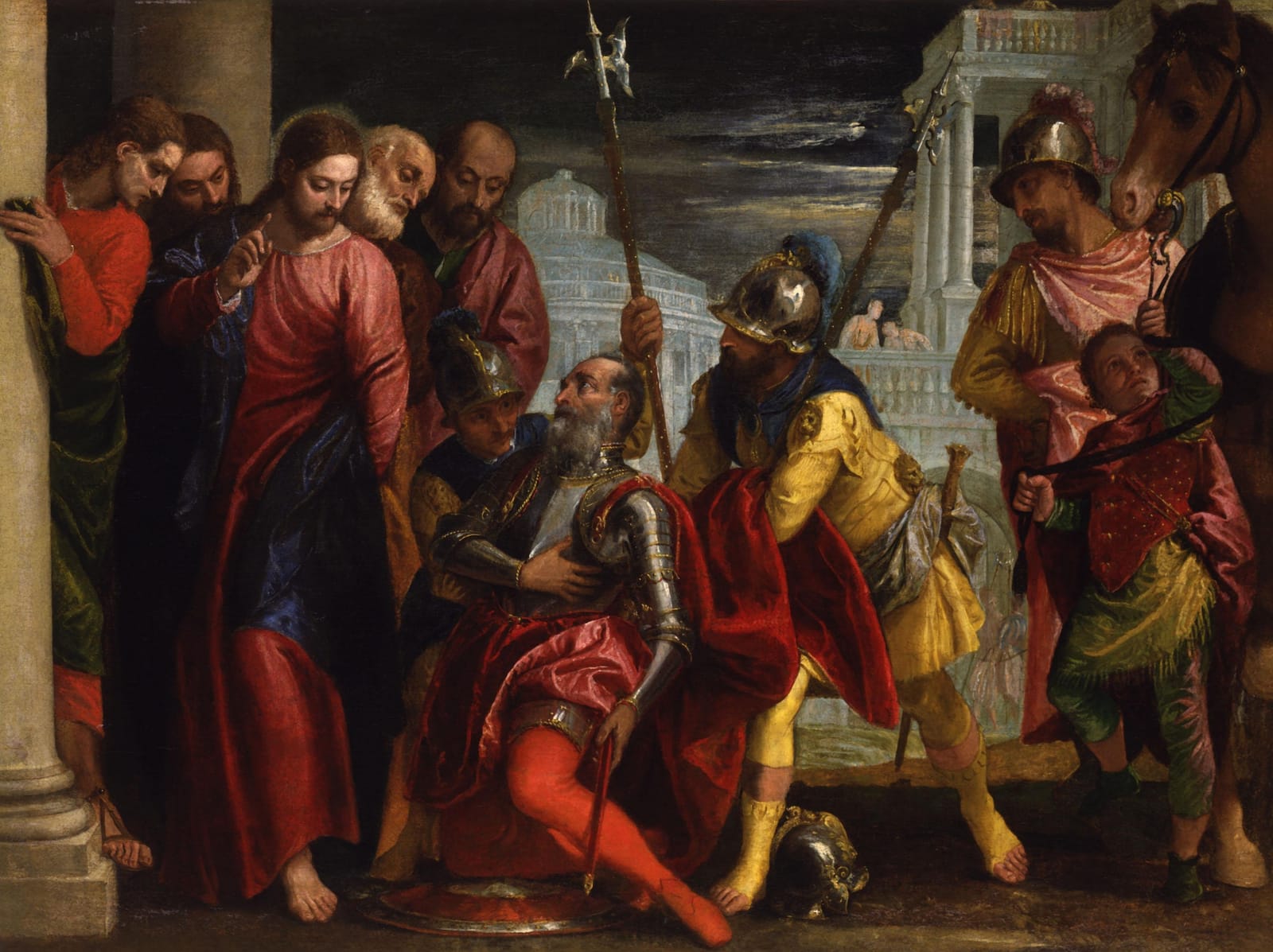
Christ and the centurion who asks healing for his servant
Christ and the Centurion, Paolo Veronese (1528–1588), c. 1575–80. Credits

After Pentecost

October 15, 2023

The Twentieth Sunday after Pentecost

From Dom Guéranger’s The Liturgical Year.

The Gospel of last Sunday spoke to us of the nuptials of the Son of God with the human race. The realization of those sacred nuptials is the object which God had in view in the creation of the visible world; it is the only one He intends in His government of society. This being the case, we cannot be surprised, that the parable of the Gospel, whilst revealing to us this divine plan, has also brought before us the great fact of the rejection of the Jews, and the vocation of the Gentiles, which is not only the most important fact of the world’s history, but is also intimately connected with the consummation of the mystery of the divine union.

And yet, as we have already said, the exclusion of Juda is one day to cease. His obstinate refusal of the grace has caused it to be brought to us Gentiles by the messengers of God’s loving mercy. But, now that the fullness of the Gentiles has heard and followed the heavenly invitation, the time is advancing when the accession of Israel will complete the Church in her members, and give the bride the signal of the final call, which will put an end to the long labour of ages, by the appearance of the Bridegroom.
Chapter 3: The Practice for the Time after Pentecost

From Dom Guéranger’s The Liturgical Year.

The object which the Church has in view by her liturgical year is the leading of the Christian soul to union with Christ, and this by the Holy Ghost. This object is the one which God Himself has in giving us His own Son to be our mediator, our teacher, and our Redeemer, and in sending us the Holy Ghost to abide among us. To this end is directed all that aggregate of rites and prayers which we have hitherto explained: they are not a mere commemoration of the mysteries achieved for our salvation by the divine goodness, but they bring with them the graces corresponding to each of those mysteries; that thus we may come, as the apostle expresses it, ‘to the age of the fullness of Christ.’

As we have elsewhere explained, our sharing in the mysteries of Christ, which are celebrated in the liturgical year, produces in the Christian what is called in mystic theology the illuminative life, in which the soul gains continually more and more of the light of the Incarnate Word, who, by His examples and teachings, renovates each one of her faculties, and imparts to her the habit of seeing all things from God’s point of view.

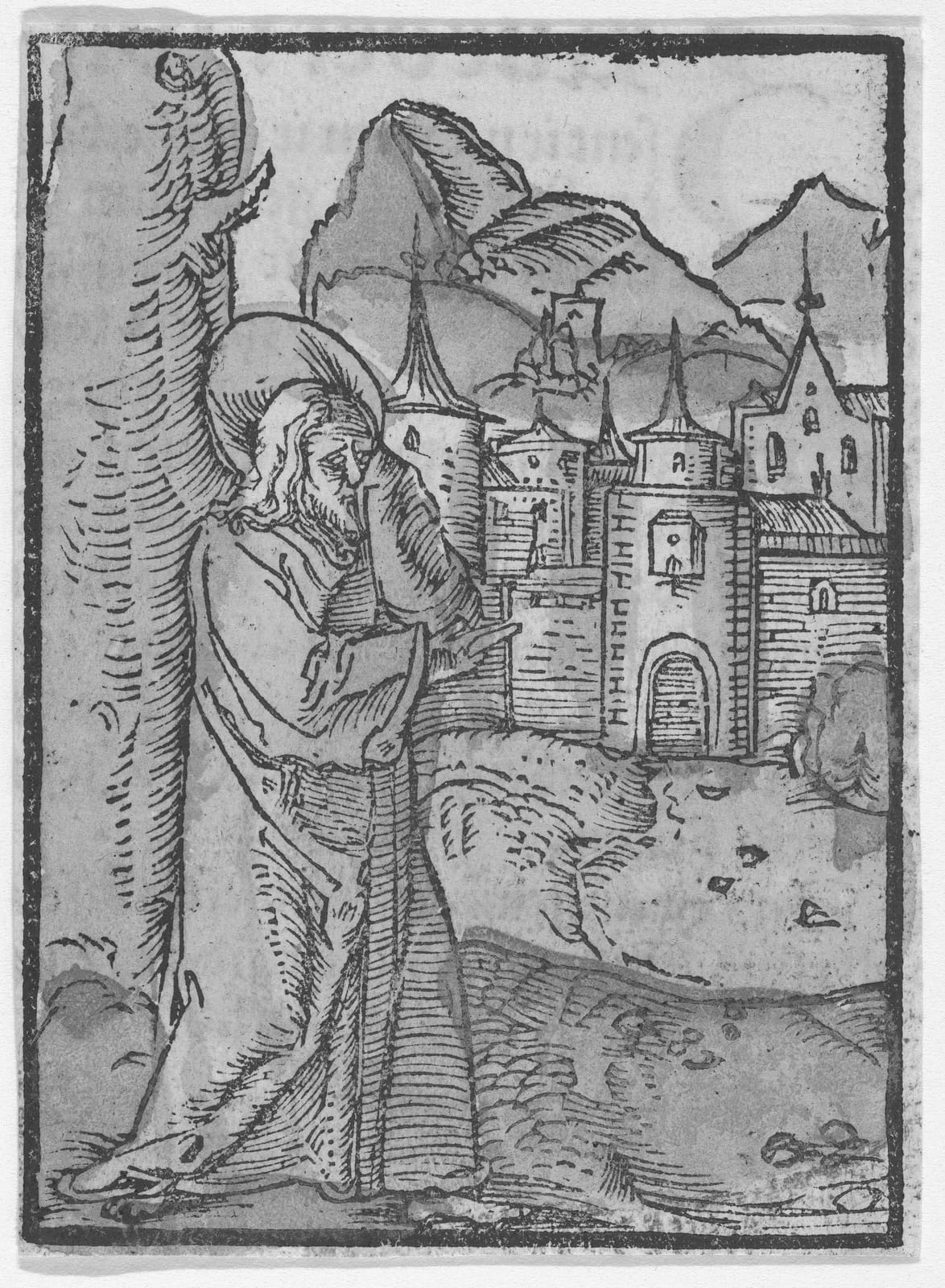
Christ weeping over Jerusalem
Hans Schäufelein (1480–1540), Christ Deploring Jerusalem, from Das Plenarium, 1517. Credits

Email view of this day