This day

August 7, 2024

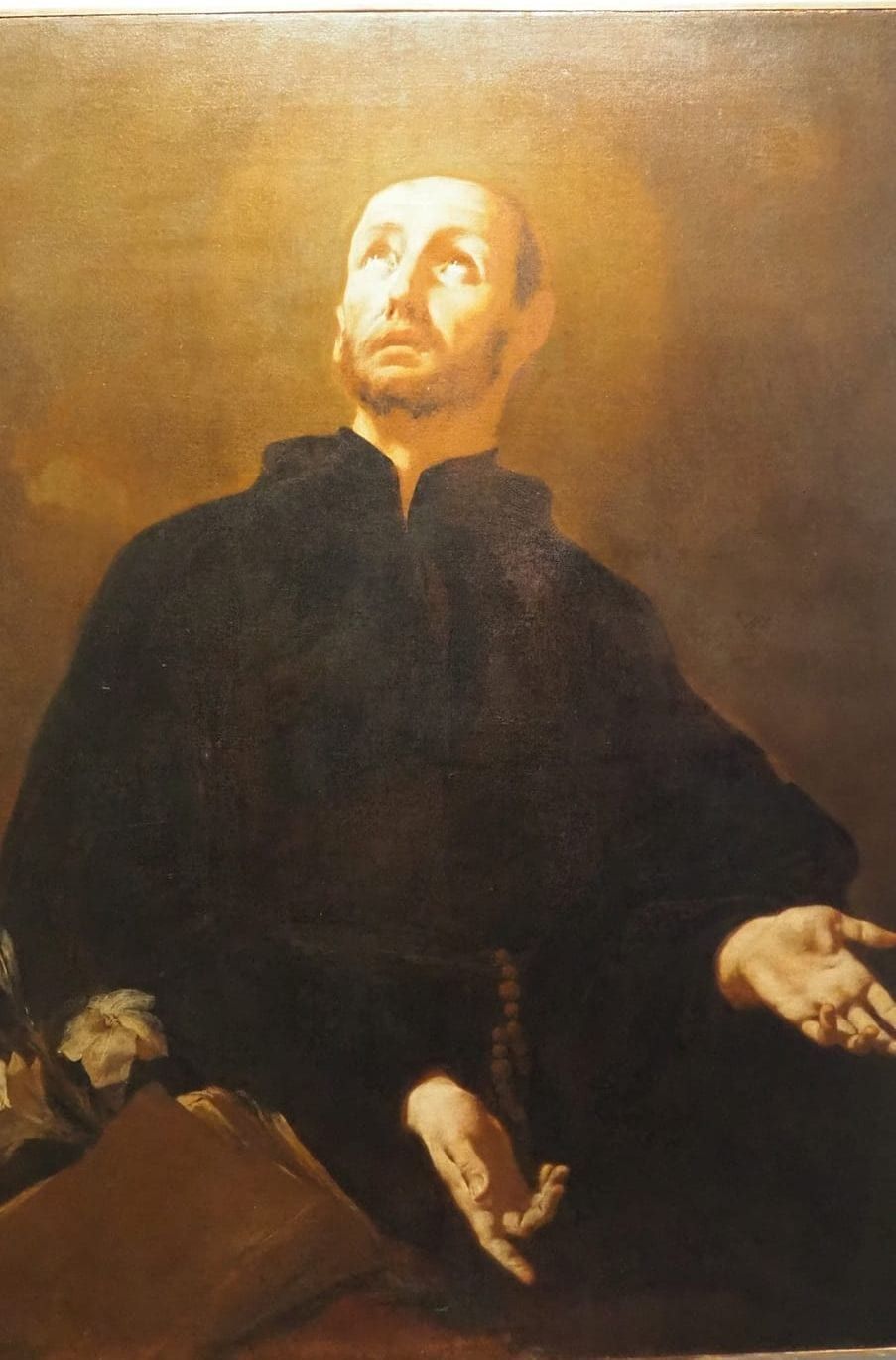
St Cajetan gazing upward with book and lilies
Saint Cajetan of Thiene, Giambattista Piazzetta (1683–1754). Credits

After Pentecost

August 7, 2024

A Double leads; St. Donatus is commemorated.Rubric

August 7: St. Cajetan of Tiene, Confessor

From Dom Guéranger’s The Liturgical Year.

CAJETAN appeared in all his zeal for the sanctuary at the time when the false reform was spreading rebellion throughout the world. The great cause of the danger had been the incapacity of the guardians of the Holy City, or their connivance by complicity of heart or of mind with pagan doctrines and manners introduced by an ill-advised revival. Wasted by the wild boar of the forest, could the vineyard of the Lord recover the fertility of its better days? Cajetan learned from eternal Wisdom the new method of culture required by an exhausted soil.

The urgent need of those unfortunate times was that the clergy should be raised up again by worthy life, zeal, and knowledge. For this object men were required who, being clerks themselves in the full acceptation of the word, with all the obligations it involves, should be to the members of the holy hierarchy a permanent model of its primitive perfection, a supplement to their shortcomings, and a leaven, little by little raising the whole mass. But where, save in the life of the counsels with the stability of its three vows, could be found the impulse, the power, and the permanence necessary for such an enterprise?
Chapter 8: Of the Office of Compline for Sundays and Feasts during the Time after Pentecost

From Dom Guéranger’s The Liturgical Year.

This Office, which concludes the day, commences by a warning of the dangers of the night; then immediately follows the public confession of our sine, as a powerful means of propitiating the divine justice, and of obtaining God’s help, now that we are going to spend so many hours in the unconscious, and therefore dangerous, state of sleep, which is also such an image of death.

May the almighty Lord grant us a quiet night, and a perfect end.
℟. Amen.

The lector then reads these words, from the first Epistle of St. Peter: Fratres: Sobrii estote et vigilate: quia adversarius vester diabolus tamquam leo rugiens circuit, quærens quem devoret: cui resistite fortes in fide. Tu autem, Domine, miserere nobis.

Brethren, be sober and watch: because your adversary the devil, as a roaring lion, goeth about seeking whom he may devour: whom resist ye, strong in faith. But thou, O Lord, have mercy on us.

Then the Lord’s Prayer is recited in secret; after which the priest says the Confiteor, and when he has finished, the choir repeats it. The priest, having pronounced the general form of absolution, says:

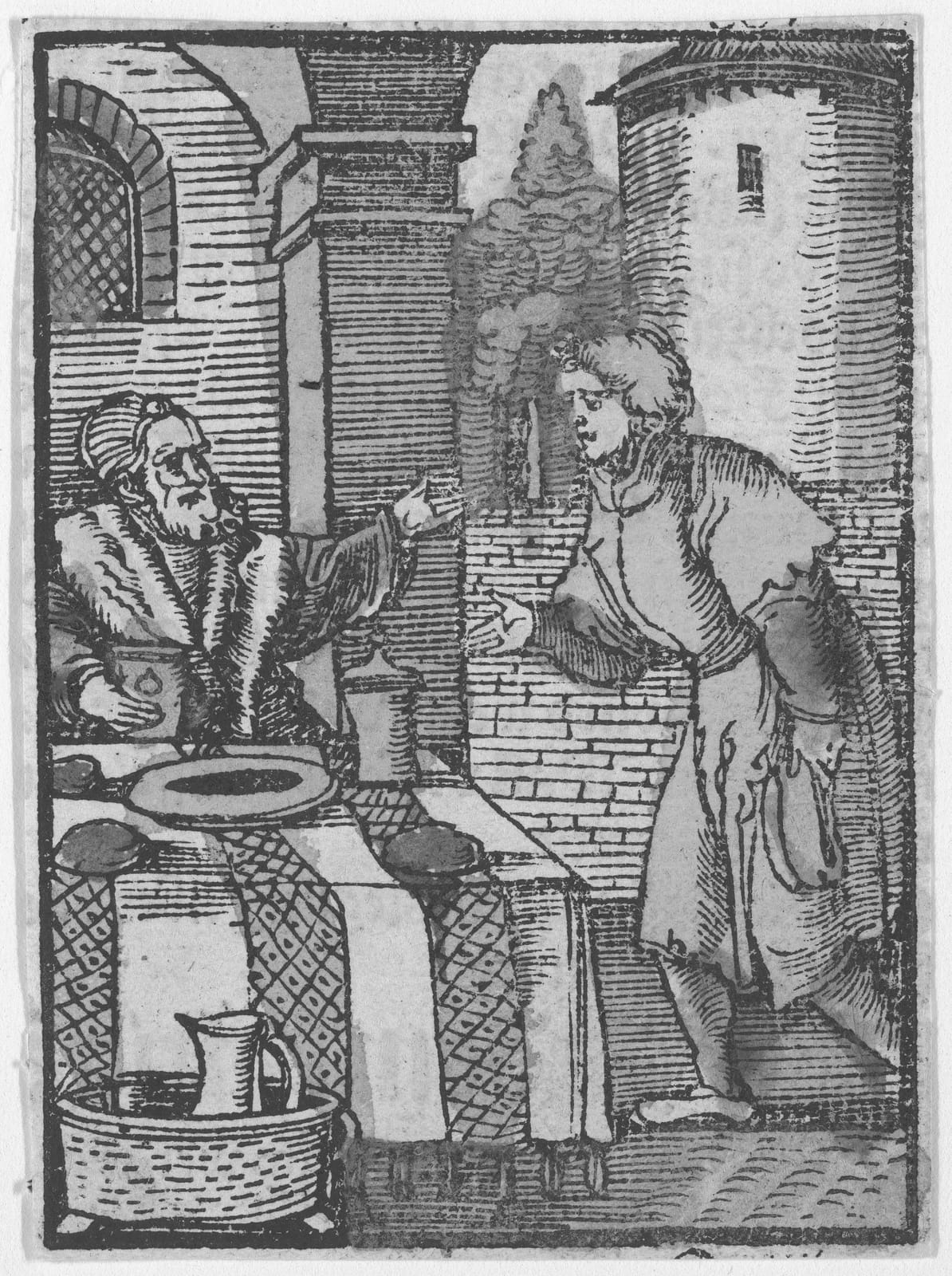
The parable of the banquet whose invited guests stayed away
Hans Schäufelein (1480–1540), The Parable of the Banquet without Guests, from Das Plenarium, 1517. Credits

Email view of this day