This day

August 8, 2024

After Pentecost

August 8, 2024

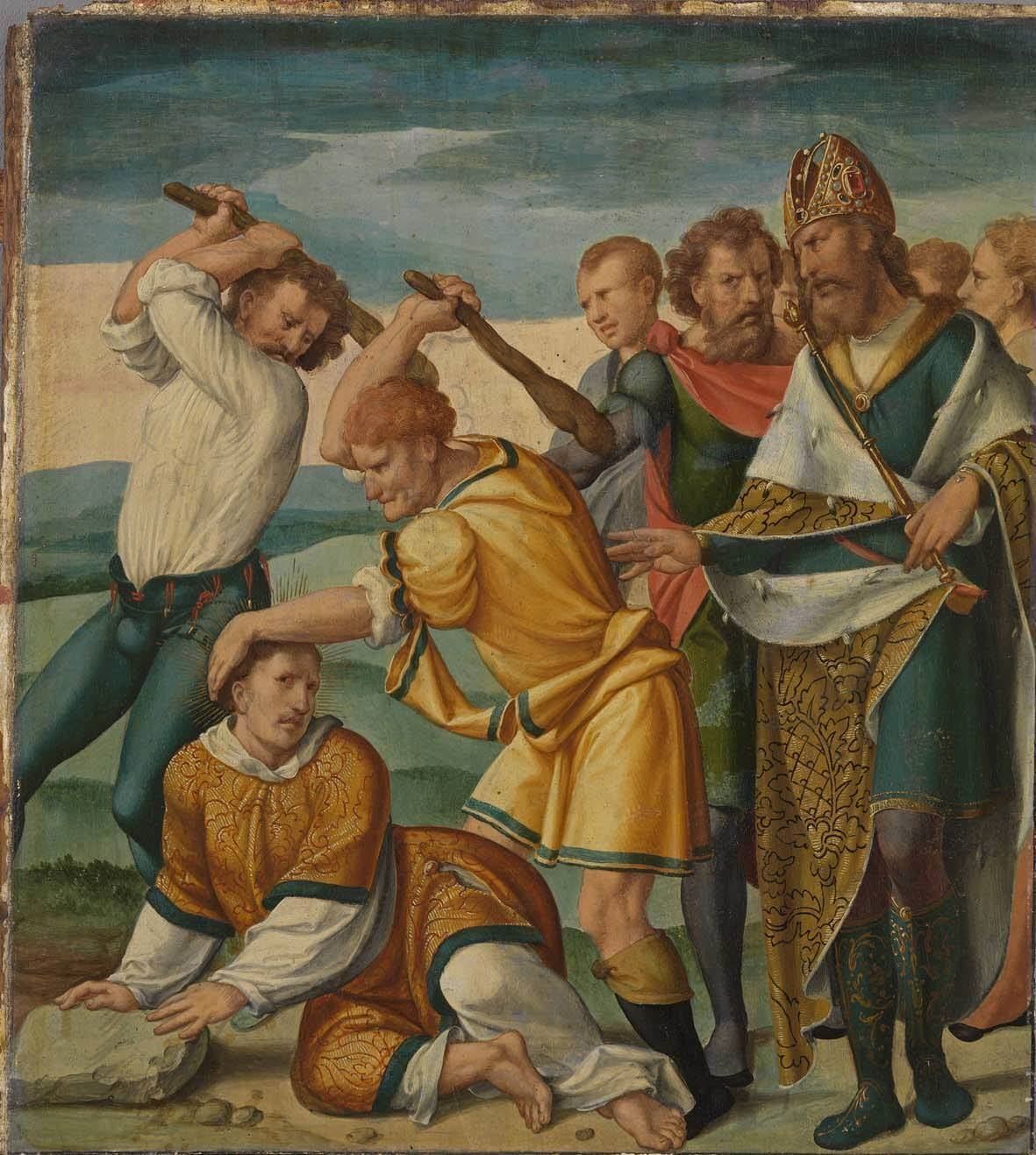
August 8: Sts. Cyriacus, Largus, and Smaragdus, Martyrs

From Dom Guéranger’s The Liturgical Year.

TO-DAY a precursor of Laurence appears on the cycle, the deacon Cyriacus, whose power over the demon made hell tremble, and entitles him to a place among the saints called helpers. He and his companions in martyrdom form one of the noblest groups of Christ's army in that last and decisive battle, wherein the eagerness of the faithful to show that they knew how to die won victory for the Cross. Rome, baptized in the blood she had shed, found herself Christian in spite of herself; all her honours were now to be lavished upon the very men whom in the time of her folly she had put to the sword. Such are Thy triumphs, O Wisdom of God!

Mention of the three martyrs celebrated to-day is to be found in the most authentic calendars of the Church that have come down to us from the fourth century. If then, as Baronius acknowledges, there is some reason for calling in question certain details of the legend, their cultus is none the less immemorial upon earth; and the unwavering devotion of which they are the objects, especially in the sanctuaries enriched with their holy relics, proves that they have great power before the throne of the Lamb.


This week's Sunday: The Eleventh Sunday after Pentecost

From Dom Guéranger’s The Liturgical Year.

With the Greeks, this Sunday—their eleventh of Saint Matthew—is called the Parable of the King, who calls his servants to account. In the western Church, it has gone under the name of Sunday of the deaf and dumb, ever since the Gospel of the pharisee and the publican has been assigned to the tenth. To-day's Mass, as we now have it, still gives evidence as to what was its ancient arrangement. Our commentary on to-day's liturgy will show us this very plainly.

In the years when Easter falls nearest to March 21 the Books of Kings are continued as lessons of Matins up to, but never beyond, this Sunday. The sickness of the good king Ezechias, and the miraculous cure he obtained by his prayers and tears, are then the subject of the first lessons of the night-Office.

The learned and pious Abbot Rupert, writing on this Sunday's Mass previous to the change made in the order of the Gospel lessons, thus explains the Church's reason for selecting the following Introit: ‘The publican in the Gospel accuses himself, saying: “I am not worthy to lift up mine eyes to heaven.”

Christ warning the disciples against false prophets
Hans Schäufelein (1480–1540), Christ Warning the Disciples of False Prophets, from Das Plenarium, 1517. Credits

Email view of this day