After Pentecost
November 29, 2024
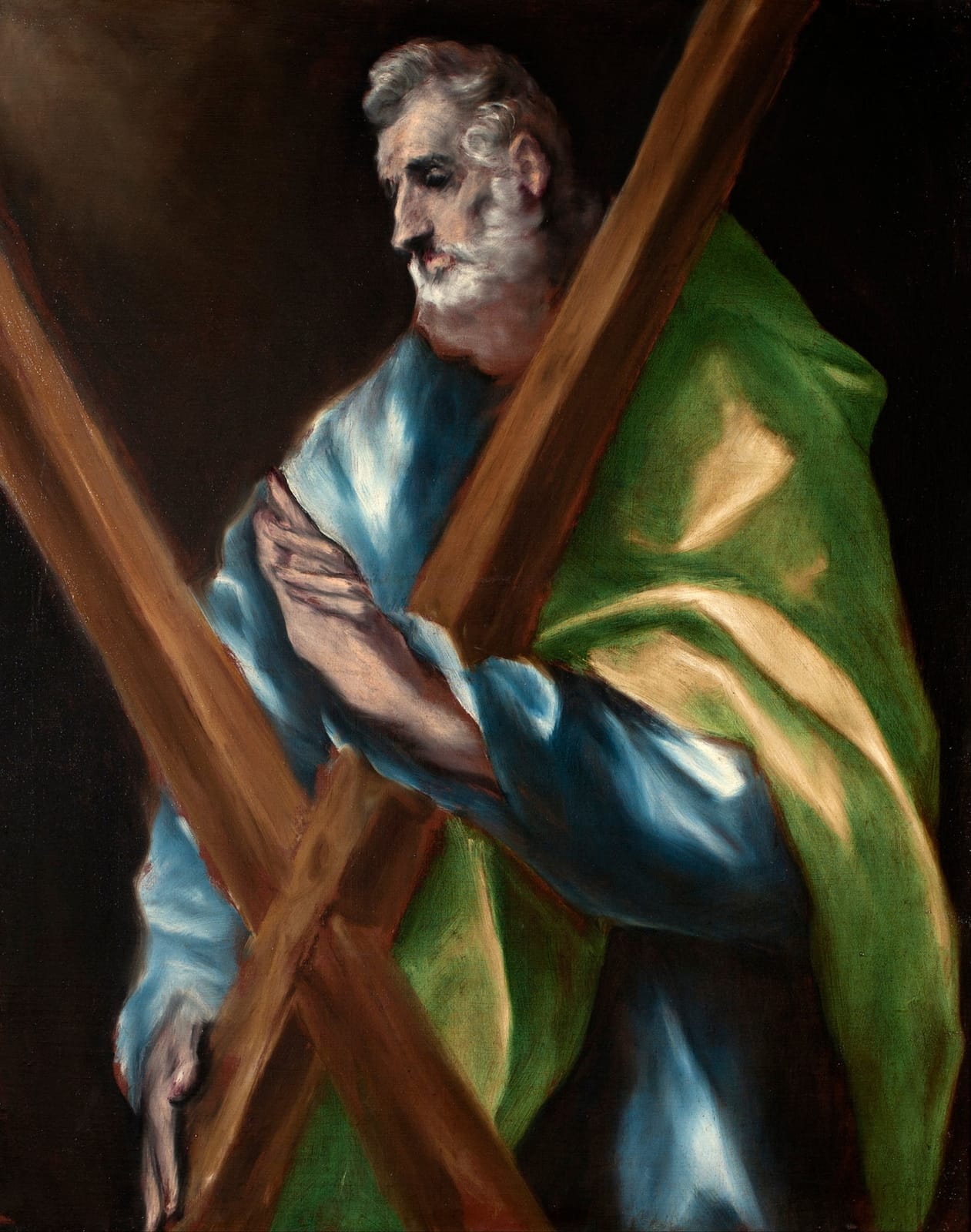
November 29: Vigil of St. Andrew, Apostle
From Dom Guéranger’s The Liturgical Year.
CHRISTMAS begins to glimmer on the horizon. The last Sunday after Pentecost has given us the closing instructions of the moveable Cycle. Beginning with the twenty-seventh of this month, the present days belong in some years to the new Cycle, in others to the one which is ending.
The last Lesson from the Scripture of the Time ends with the solemn declaration of the last of the Prophets, announcing the approach of a new era: From the rising of the sun even to the going down, my Name is great among the Gentiles, and in every place there is sacrifice, and there is offered to my Name a clean oblation! For my Name is great among the Gentiles, with the Lord of hosts. And in to-day's Gospel we have St. John the Baptist echoing the words of Malachias, and joining the old and the new times together: Behold the Lamb of God! He points out to us the Messias close at hand.
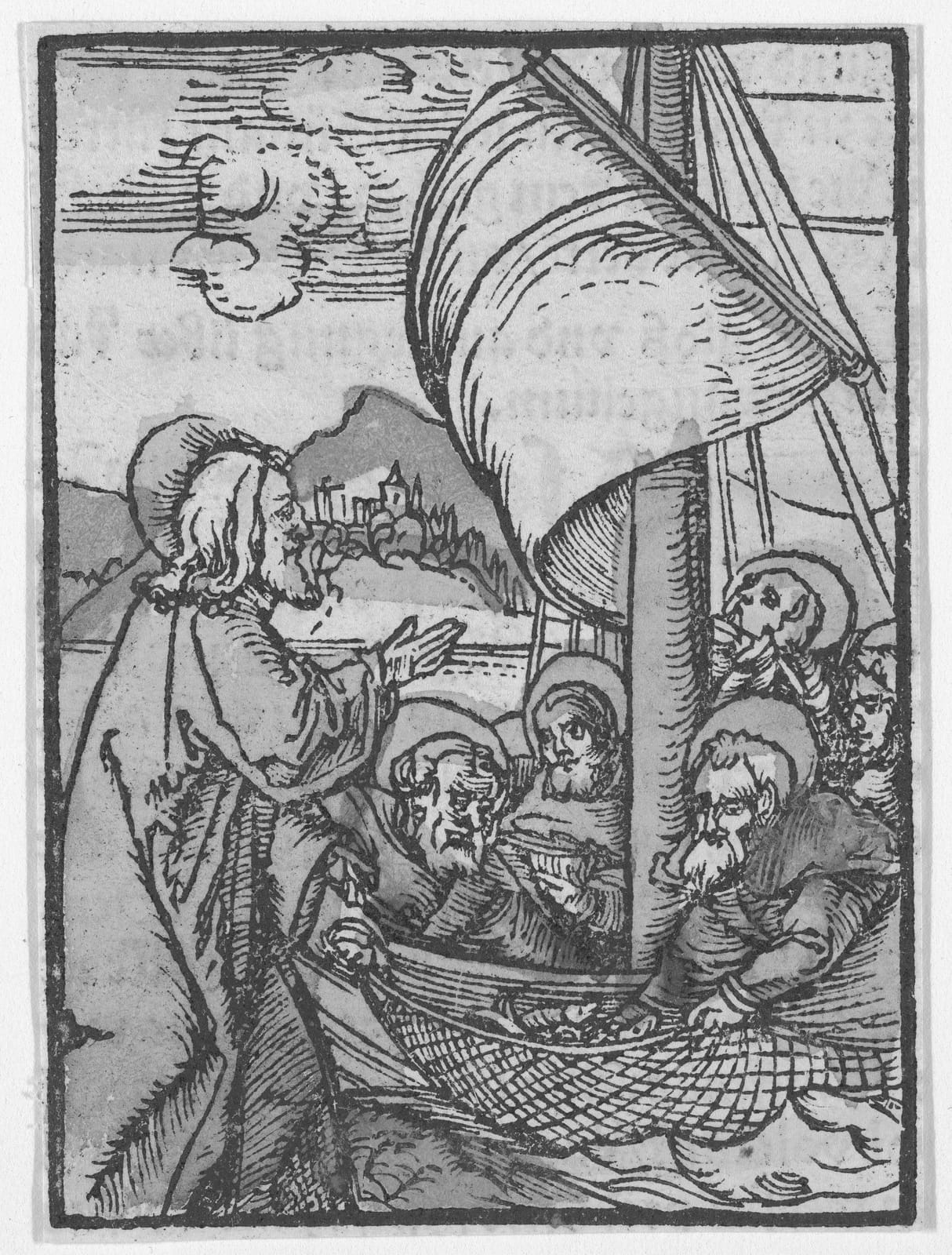
Andrew, brother of Peter, and another of John's disciples, asked this Messias: Rabbi, where dwellest thou? Jesus answered: Come and see.