This day

November 30, 2024

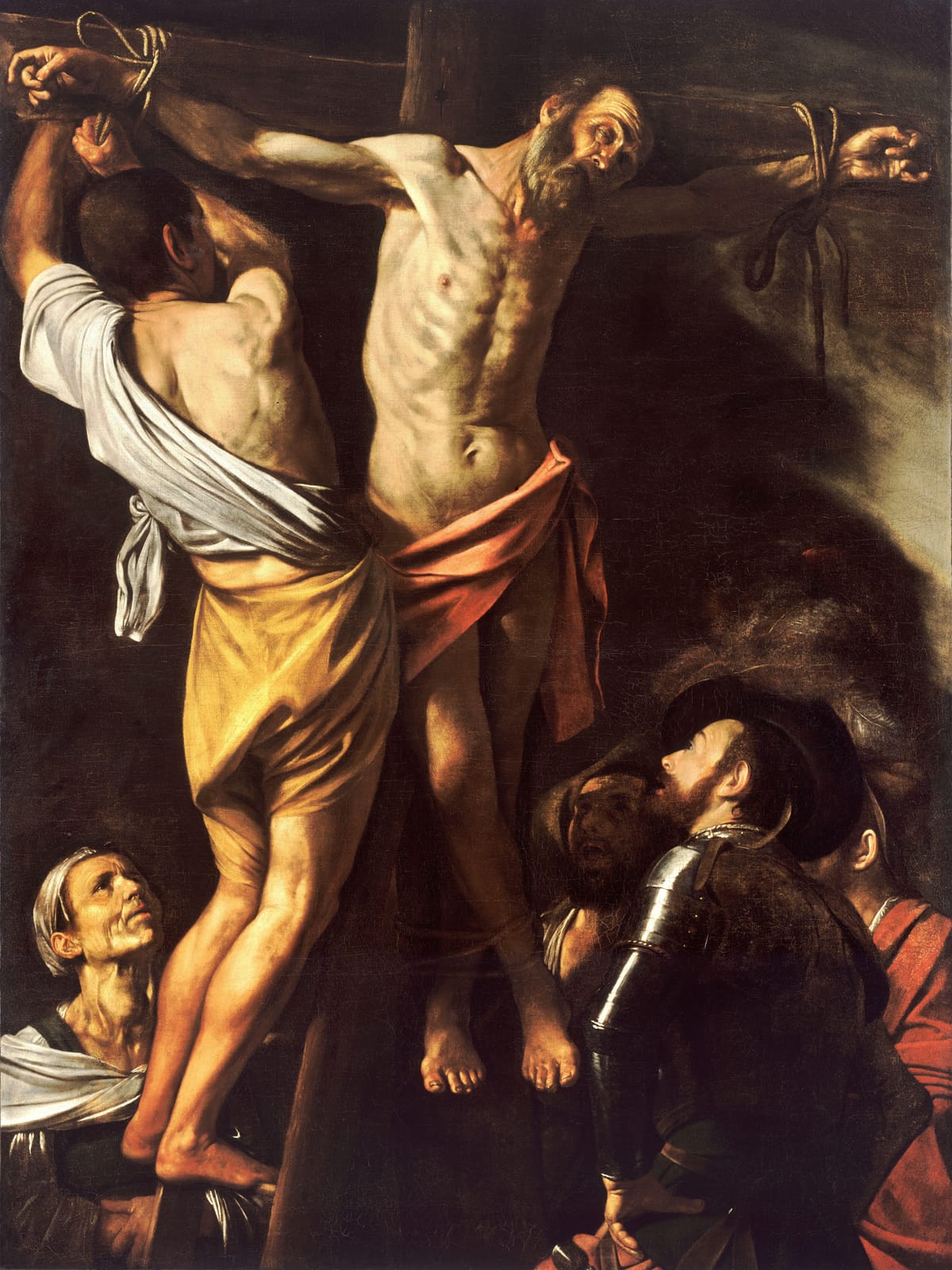
The Crucifixion of Saint Andrew
The Crucifixion of Saint Andrew, Caravaggio (1571–1610), c. 1607. Credits

After Pentecost

November 30, 2024

November 30: St. Andrew, Apostle (at the end of the year)

From Dom Guéranger’s The Liturgical Year.

THIS feast is destined each year to terminate with solemnity the cycle which is at its close, or to add lustre to the new one which has just begun. It seems, indeed, fitting that the Christian year should begin and end with the cross, which has merited for us each of those years which it has pleased the divine goodness to grant us, and which is to appear, on the last day, in the clouds of heaven, as the seal put on time.

We should remember that Saint Andrew is the Apostle of the Cross. To Peter, Jesus has given firmness of faith; to John, warmth of love; the mission of Andrew is to represent the Cross of his divine Master. Now it is by these three, faith, love, and the Cross, that the Church renders herself worthy of her Spouse. Everything she has or is, bears this threefold character. Hence it is that after the two Apostles just named, there is none who holds such a prominent place in the universal Liturgy as Saint Andrew.

But let us read the life of this glorious fisherman of the lake of Genesareth, who was afterwards to be the successor of Christ himself, and the companion of Peter, on the tree of the Cross.

This week's Sunday: The Twenty-Fourth Sunday after Pentecost

From Dom Guéranger’s The Liturgical Year.

The number of the Sundays after Pentecost may exceed twenty-four, and go as far as twenty-eight, according as Easter is each year more or less near to the vernal equinox. But the Mass here given is always reserved for the last; and the intervening ones, be their number what it may, are taken from the Sundays after the Epiphany, which, in that case, were not used at the beginning of the year. This, however, does not apply to the Introit, Gradual, Offertory, and Communion, which, as we have already said, are repeated from the twenty-third Sunday.

We have seen how that Mass of the twenty-third Sunday was regarded, by our forefathers, as really the last of the cycle. Abbot Rupert has given us the profound meaning of its several parts. According to the teaching we have already pondered over, the reconciliation of Juda was shown us as being, in time, the term intended by God: the last notes of the sacred liturgy blended with the last scene of the world’s history, as seen and known by God.

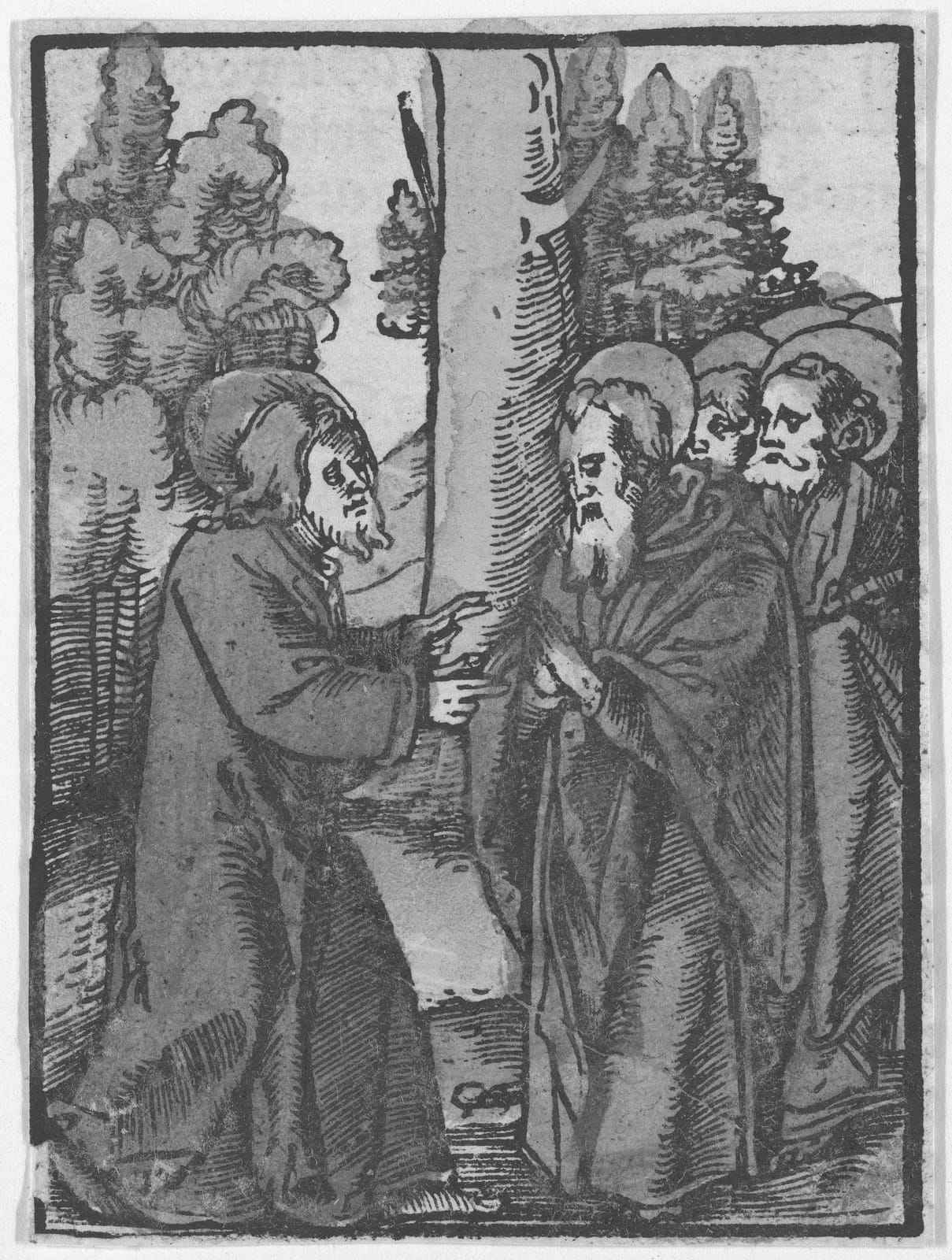
Christ teaching the disciples
Hans Schäufelein (1480–1540), Christ Teaching the Disciples, from Das Plenarium, 1517. Credits

Email view of this day