This day

January 27, 2026

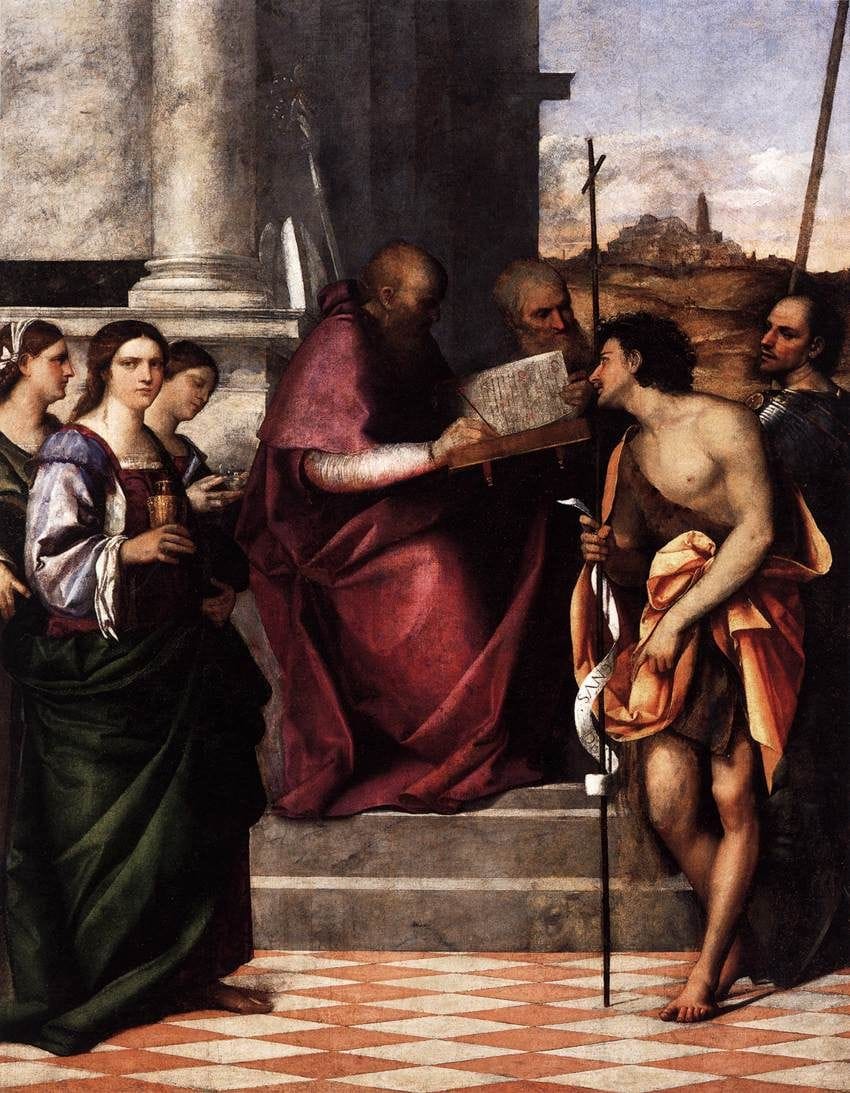
San Giovanni Crisostomo Altarpiece
Saint John Chrysostom Altarpiece, Sebastiano del Piombo (1485–1547), 1510–1511. Credits

Epiphanytide

January 27, 2026

January 27: St. John Chrysostom, Bishop and Doctor of the Church

From Dom Guéranger’s The Liturgical Year.

BEFORE our Emmanuel came upon this earth, men were as sheep without a shepherd; the flock was scattered, and the human race was hastening on to perdition. Jesus would, therefore, not only be the Lamb that was to be slain for our sins; he made himself, moreover, a Shepherd, that so he might bring us all back to the divine fold. But as he had to leave us when he ascended into heaven, he has provided for the wants of his sheep by providing us with a succession of Pastors, who should in his name feed the flock even to the end of the world. Now instruction, which is the light of life, is what the flock of Christ needs above all other things; and therefore our Emmanuel required that the Pastors of his Church should also be Doctors of sacred science. The Pastor owes two things to his people; namely, the Word of God and the Sacraments. He is under the obligation of dispensing, personally and unceasingly, this twofold nourishment to his flock, and of laying down his very life, if needed, in the fulfilment of a duty on which rests the whole work of the world’s salvation.

This week's Sunday: The Third Sunday after Epiphany

From Dom Guéranger’s The Liturgical Year.

THE variation of Easter Sunday necessitates almost every year a different arrangement of the Sundays after the Epiphany from that in which they stand in the Missal. Septuagesima often comes in January and the Feast of the Purification is occasionally later than Quinquagesima Sunday; hence the office of these four last Sundays may have to be transferred to another season of the liturgical cycle. We were obliged then to provide for these changes and simplify them for the Faithful by adopting our present plan. We have inserted here the third and fourth Sundays as usually falling in Christmastide, while the office of the fifth and sixth Sundays will be found in the volumes of Septuagesima and the second after Pentecost, this latter season being the one in which they are most frequently kept.

The Introit represents the Angels of God adoring him on his entrance into this world, as St Paul explains this passage of the Psalms. The Church celebrates with David the gladness of Sion, and the joy of the daughters of Juda.

Adore God, all ye his Angels: Sion heard and was glad, and the daughters of Juda rejoiced.

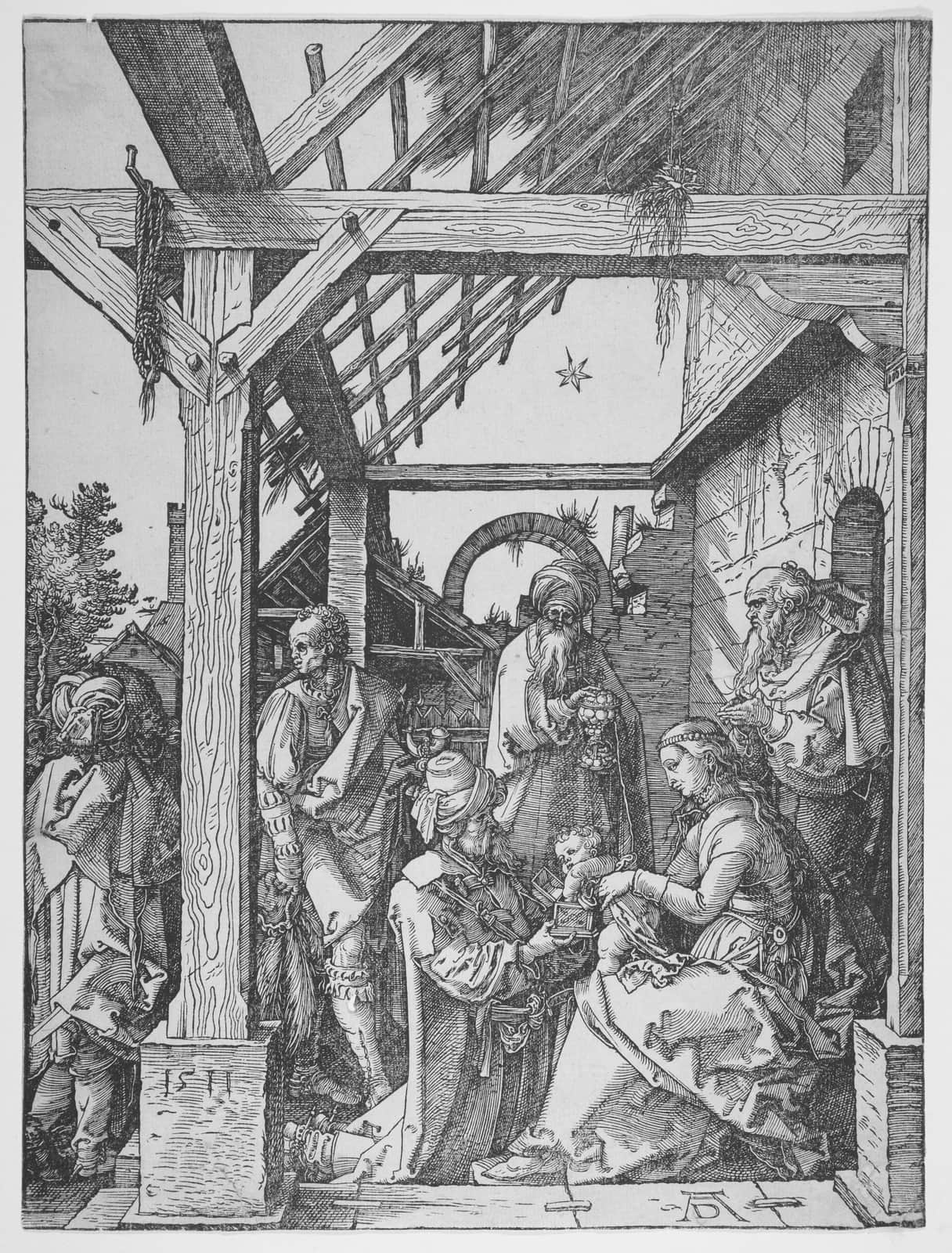
The Adoration of the Magi: the three kings offer gifts to the clothed Christ Child
Albrecht Dürer (1471–1528), The Adoration of the Magi, 1511. Credits

Email view of this day