This day

February 4, 2026

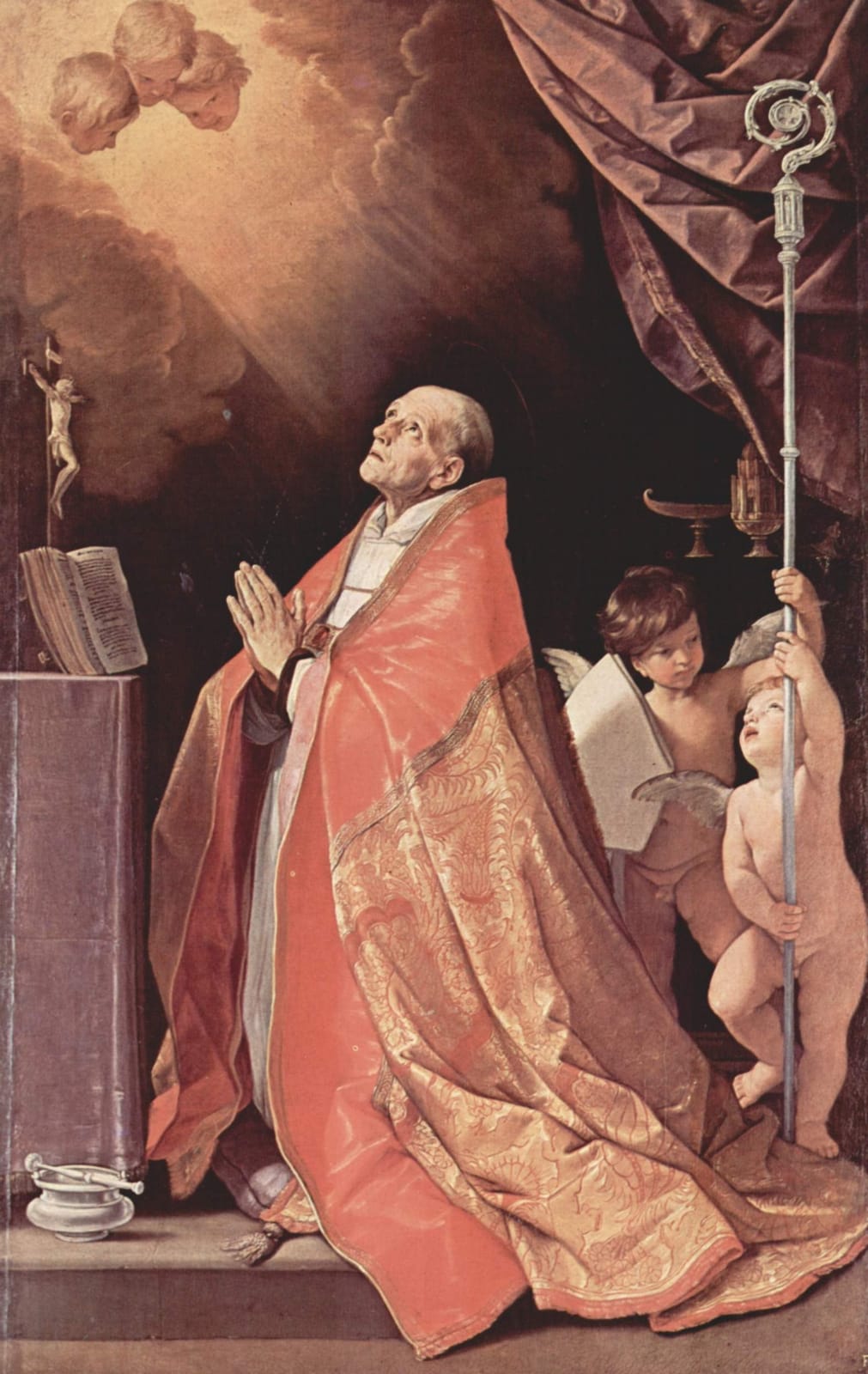
Bishop saint in coral cope praying; putti with crozier and book
St Andrew Corsini in Prayer, Guido Reni (1575–1642), 1630–1635. Credits

Septuagesima

February 4, 2026

A Double leads the weekday.Rubric

February 4: St. Andrew Corsini, Bishop and Confessor

From Dom Guéranger’s The Liturgical Year.

The saintly bishop, whose feast we keep to-day pressingly invites us, by his austere life and his burning zeal for the salvation of souls, to procure, at all costs, our own reconciliation with the divine justice. We are indebted for this feast to a member of the illustrious family of the Corsini, Pope Clement XII., who, however, was but the instrument used by divine Providence. The holy bishop of the little town of Fiesole ever sought to be unknown during his life, and God, who willed that he should be glorified by the whole Church, inspired the sovereign Pontiff to inscribe his name among the saints of the universal calendar. Andrew the saint was once a sinner; his example will encourage us in the work of our conversion.

Let us read the account of his virtues as given us by the Church.

Andream Florentiæ ex nobili Corsinorum familia natura parentes precibus a Deo impetrarunt, et beatæ Virgini spoponderunt. Qualis autem futurus esset, divino præsagio, antequam nasceretur, ostensum est: nam mater gravida sibi visa est per quietem lupum edidisse, qui, ad Carmelitarum ædem pergens, in ipso templi vestibuio statim in agnum conversus est.


Wednesday of Septuagesima Week

From Dom Guéranger’s The Liturgical Year.

The guilty pair appear before the great God, whom they have offended; and instead of acknowledging their guilt, they seek to palliate and excuse it. But divine justice pronounces their condemnation, and the sentence will be felt by their posterity, even to the last generation. The two beings, that had committed the heinous crime, had been enriched with every gift of nature and grace. It was not with them, as it is with us. Concupiscence which gives us an inclination for what is wrong; ignorance and forgetfulness which cloud the intellect of fallen man, these miseries had nothing whatever to do with the fall of our first parents. They sinned through sheer ingratitude. They began by weighing the proposal of revolt, when they ought to have spurned it with indignation and conquered by flight. Then, by degrees, the proposed crime seemed no great harm, because, though God would lose their obedience, they would gain by the disobedience! And at length, the love of God was made to give place to the love of self, and they declared their independence! Yet God had mercy on them, because of their posterity.

Christ points to a laborer working in a vineyard
Hans Schäufelein (1480–1540), The Parable of the Workers in the Vineyard, from Das Plenarium, 1517. Credits

Email view of this day