This day

June 11, 2026

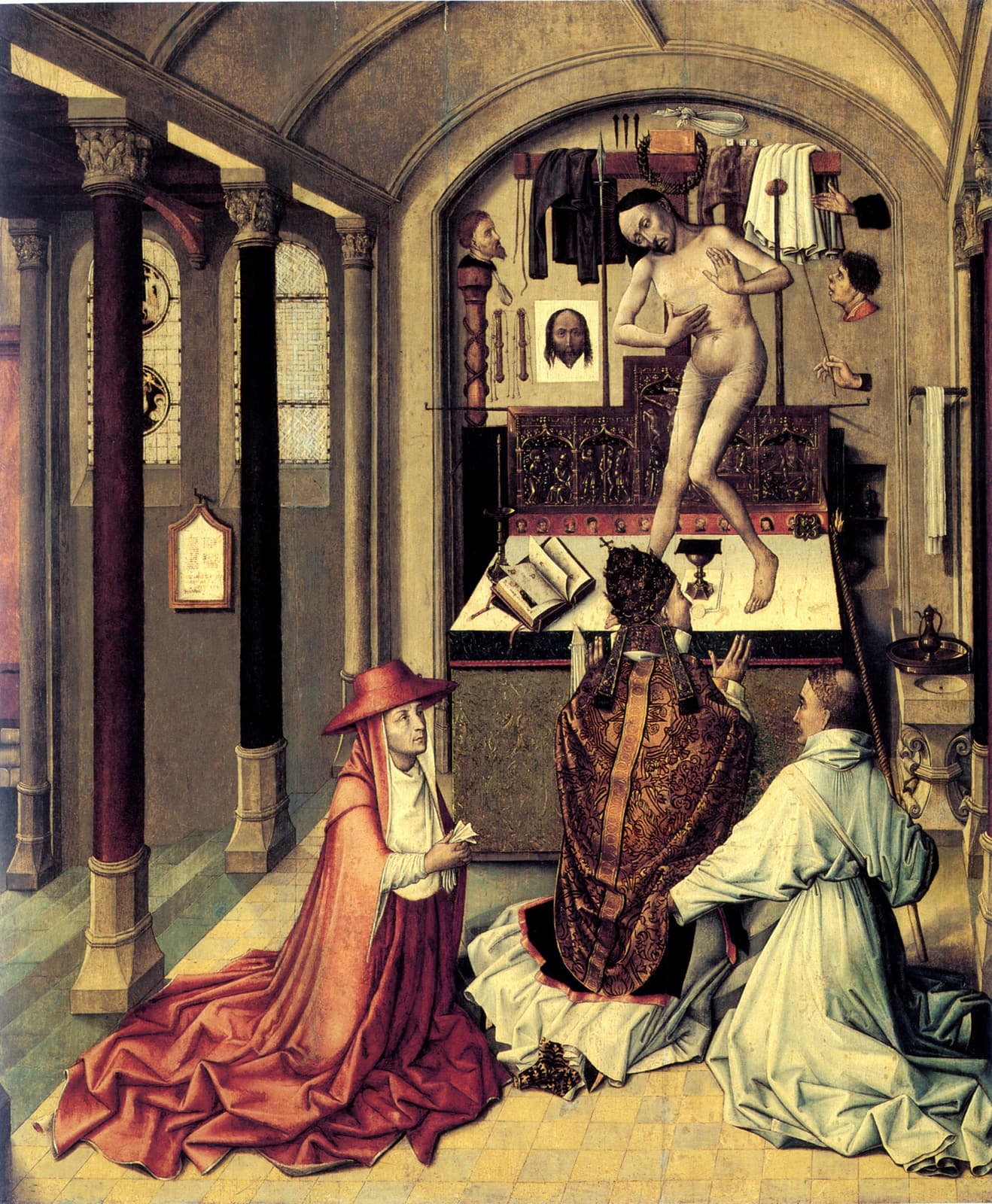
Pope Gregory kneels at the altar as the Man of Sorrows appears above the chalice; Arma Christi behind; cardinal and deacon attend
The Mass of Saint Gregory, Robert Campin (1375–1444, attributed), c. 1440. Credits

After Pentecost

June 11, 2026

Thursday, the Octave of Corpus Christi

From Dom Guéranger’s The Liturgical Year.

Let us adore Christ, the King, who ruleth the nations; who giveth fatness of spirit to them that eat him.

The bright octave, consecrated to the glory of the blessed Sacrament, closes to-day; and although we began the subject three days before the feast itself, we have been able to do little more than slightly touch upon the sublime subject proposed for our consideration and love by the Church. The Memorial left us by our Lord of all His wondrous mercies far exceeds the measure of our poor thoughts, and the capabilities of human language; such is the extremity of the infinite love, which God bears to His own creatures, that no possibility of ours could make it a return such as it deserves.

Eternal Wisdom was, even from His Father’s bosom, betrothed to human nature. He came down into this world, which sin had marred, and there He found man, who had become the slave of sin; He assumed the nature of man: He was thus able to make a Sacrifice, which gives infinite glory and full satisfaction to God, and He perfected His union with His creature, by means of that divine banquet, at which, as food and drink, He Himself is served; for He is the divine Victim immolated on the cross and at our altars.
Chapter 2: The Mystery of the Time after Pentecost

From Dom Guéranger’s The Liturgical Year.

That we may thoroughly understand the meaning and influence of the season of the liturgical year upon which we have now entered, it is requisite for us to grasp the entire sequel of mysteries, which holy Church has celebrated in our presence and company; we have witnessed her services, and we have shared in them. The celebration of those mysteries was not an empty pageant, acted for the sake of being looked at. Each one of them brought with it a special grace, which produced in our souls the reality signified by the rites of the liturgy. At Christmas Christ was born within us; at Passiontide He passed on and into us His sufferings and atonements; at Easter He communicated to us His glorious, His untrammelled life; in His Ascension He drew us after Him, and this even to heaven’s summit; in a word, as the apostle expresses all this working, ‘Christ was formed in us.’

But, in order to give solidity and permanence to the image of Christ formed within us, it was necessary that the Holy Ghost should come, that so He might increase our light, and enkindle a fire within us that should never be quenched.

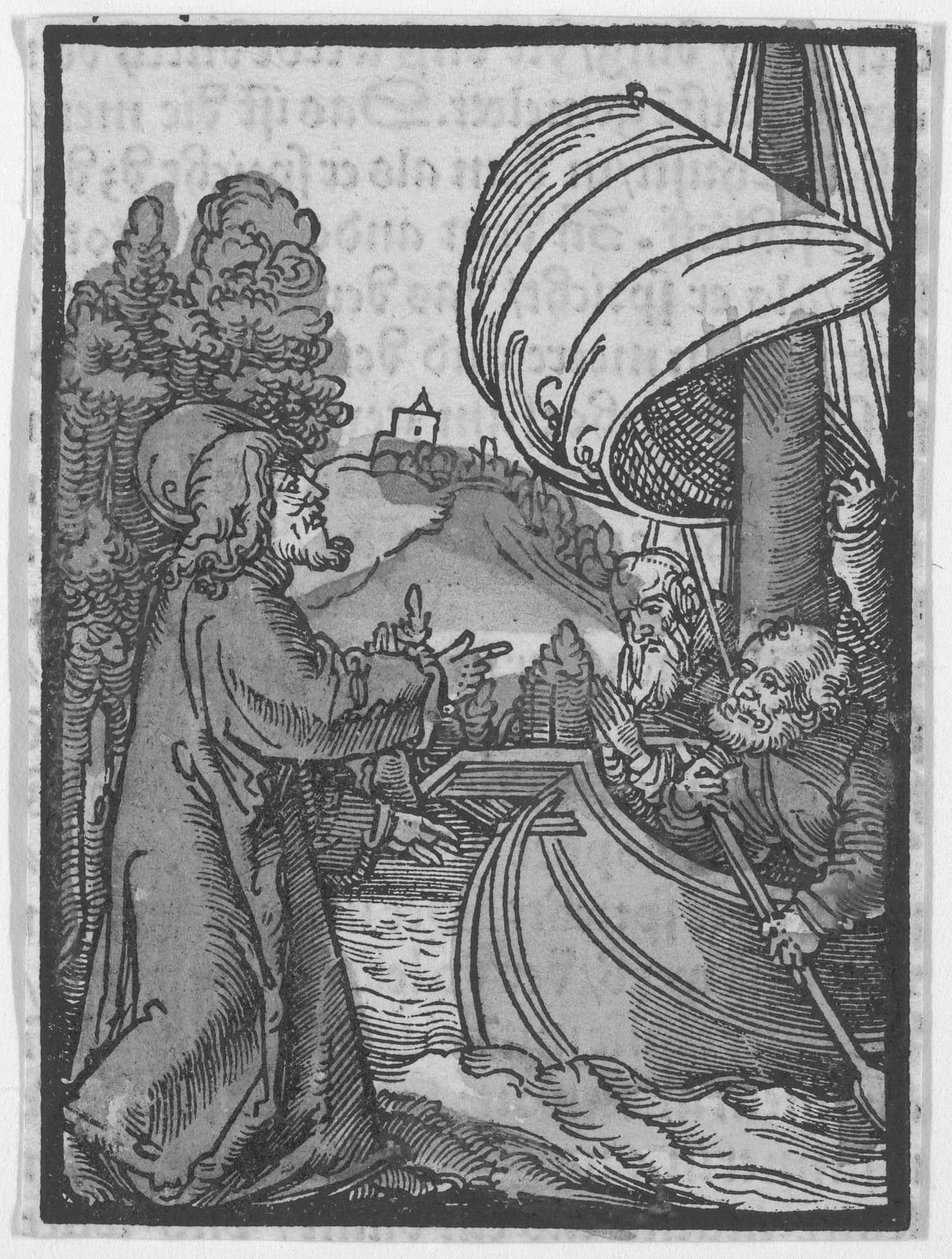
Christ calming the storm on the lake
Hans Schäufelein (1480–1540), Christ Calming the Storm on Lake Tiberias, from Das Plenarium, 1517. Credits

Email view of this day