After Pentecost
June 12, 2026
A Double of the I Class leads; St. Basilides and Companions, St. Leo the Third, and St. John a S. Facundo or of Sahagun are commemorated.Rubrics
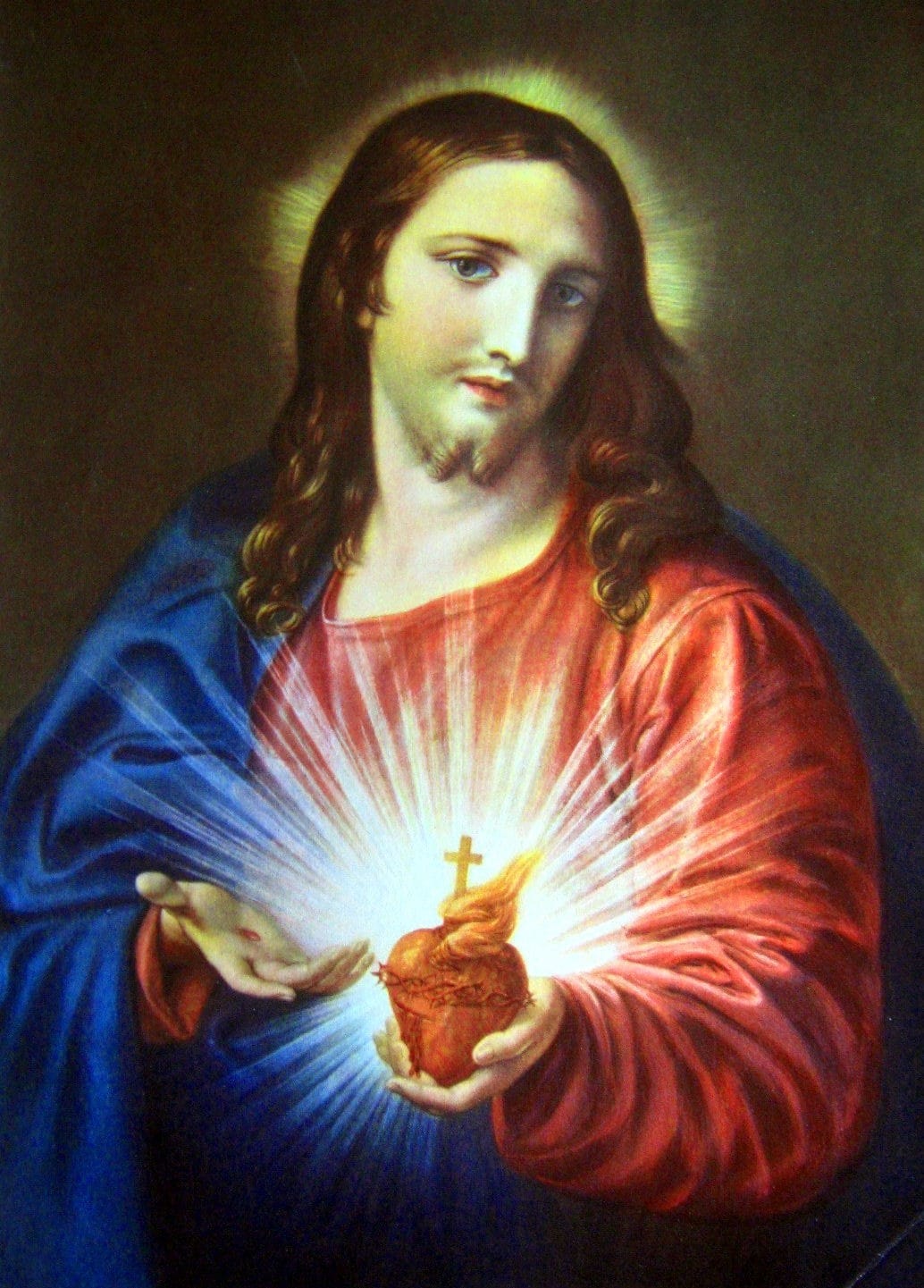
The Feast of the Sacred Heart of Jesus (Friday after the Octave of Corpus Christi)
From Dom Guéranger’s The Liturgical Year.
A new ray of light shines to-day in the heaven of holy Church, and its light brings warmth. The divine Master given to us by our Redeemer, that is, the Paraclete Spirit, who has come down into this world, continues His teachings to us in the sacred liturgy. The earliest of these His divine teachings was the mystery of the Trinity; and we have worshipped the blessed Three: we have been taught who God is, we know Him in His own nature, we have been admitted, by faith, into the sanctuary of the infinite Essence. Then this Spirit, the mighty wind of Pentecost, opened to our souls new aspects of the truth, which it is His mission to make the world remember; and His revelation left us prostrate before the sacred Host, the Memorial which God Himself has left us of all His wonderful works. To-day it is the sacred Heart of the Word made flesh that this holy Spirit puts before us, that we may know and love and adore it.
There is a mysterious connexion between these three feasts, of the blessed Trinity, Corpus Christi, and the sacred Heart.