This day

June 26, 2026

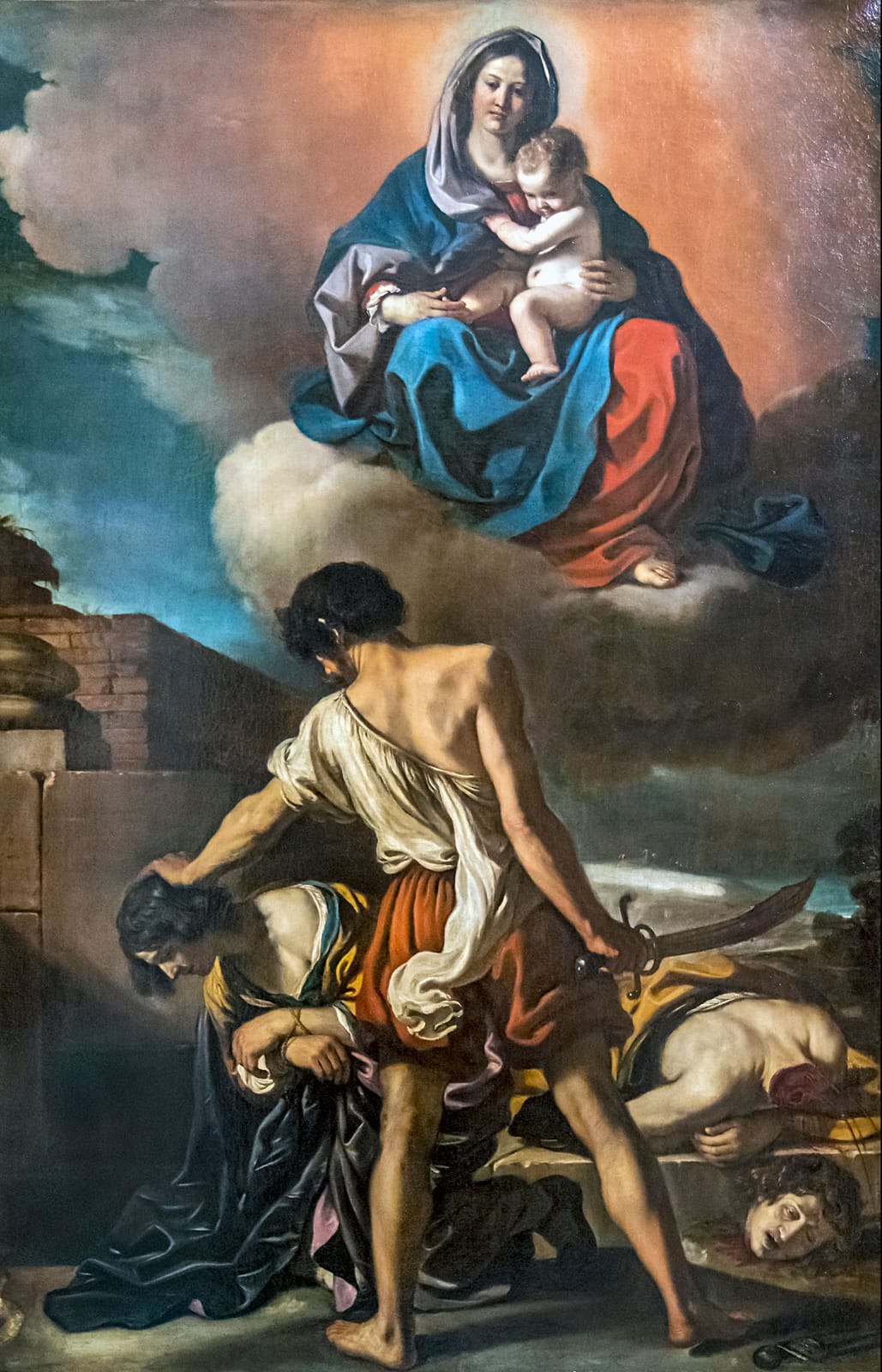
Martyrdom of Saints John and Paul
Martyrdom of Saints John and Paul, Guercino (1591–1666), 1632. Photo: Didier Descouens. Credits

After Pentecost

June 26, 2026

June 26: Sts. John and Paul, Martyrs

From Dom Guéranger’s The Liturgical Year.

AMIDST the numerous sanctuaries which adorn the capital of the Christian universe, the church of Saints John and Paul has remained from the early date of its origin one of the chief centres of Roman piety. From the summit of the Cœlian Hill it towers over the Coliseum, the dependencies of which stretch subterraneously even as far as the cellarage of the house once inhabited by our saints. They, the last of the martyrs, completed the glorious crown offered to Christ by Rome, the chosen seat of his power. The conflict in which their blood was spilt consummated the triumph whose hour was sounded under Constantine, but which an offensive retaliation on the part of hell seemed about to compromise.

No attack could be conceived more odious for the Church than that devised by the apostate Cæsar. Nero and Diocletian had violently and with hatred declared against the Incarnate God a war of sword and torture; and without recrimination, Christians by thousands had died, knowing that the testimony thus demanded was merely the order of things, just as it had been in the case of their august Head before Pontius Pilate and upon the cross.

This week's Sunday: The Fourth Sunday after Pentecost

From Dom Guéranger’s The Liturgical Year.

The fourth Sunday after Pentecost was called, for a long period, in the west, the Sunday of mercy, because, formerly, there was read upon it the passage from St. Luke beginning with the words: ‘Be merciful, as your Father is merciful.’ But, this Gospel having been since assigned to the Mass of the first Sunday after Pentecost, the Gospel of the fifth Sunday was made that of the fourth; the Gospel of the sixth became that of the fifth; and so on, up to the twenty-third. The change we speak of was, however, not introduced into many Churches till a very late period; and it was not universally received till the sixteenth century.

Whilst the Gospels were thus brought forward a week, in almost the whole series of these Sundays, the Epistles, Prayers, and the other sung portions of the ancient Masses were, with a few exceptions, left as originally drawn up. The connexion which the liturgists of the eleventh, twelfth, and thirteenth centuries had fancied they found between the Gospel and the rest of the liturgy for these Sundays was broken.

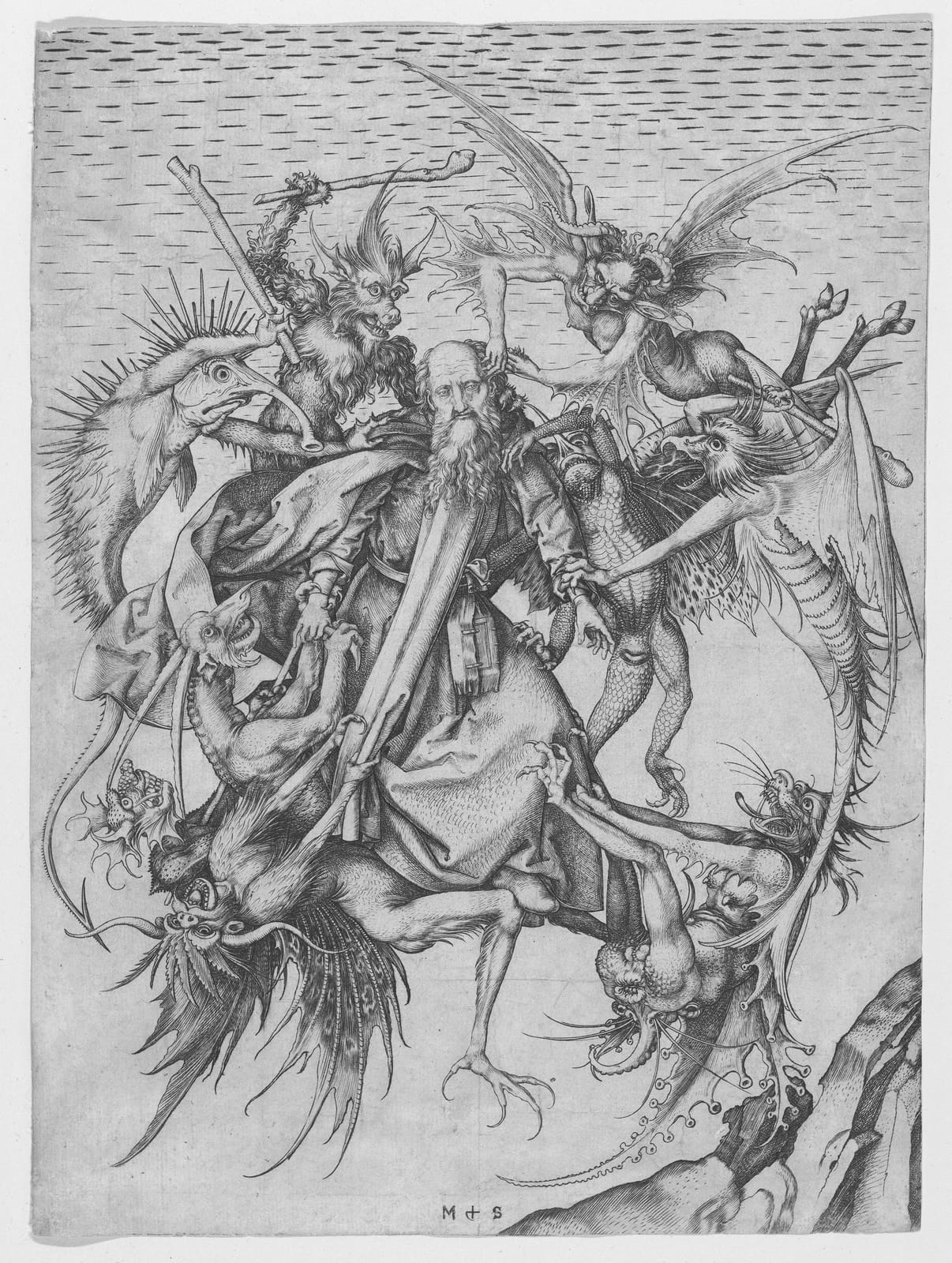
Saint Anthony tormented by demons
Martin Schongauer (ca. 1435/50–1491), Saint Anthony Tormented by Demons, ca. 1470–75. Credits

Email view of this day