This day

July 6, 2026

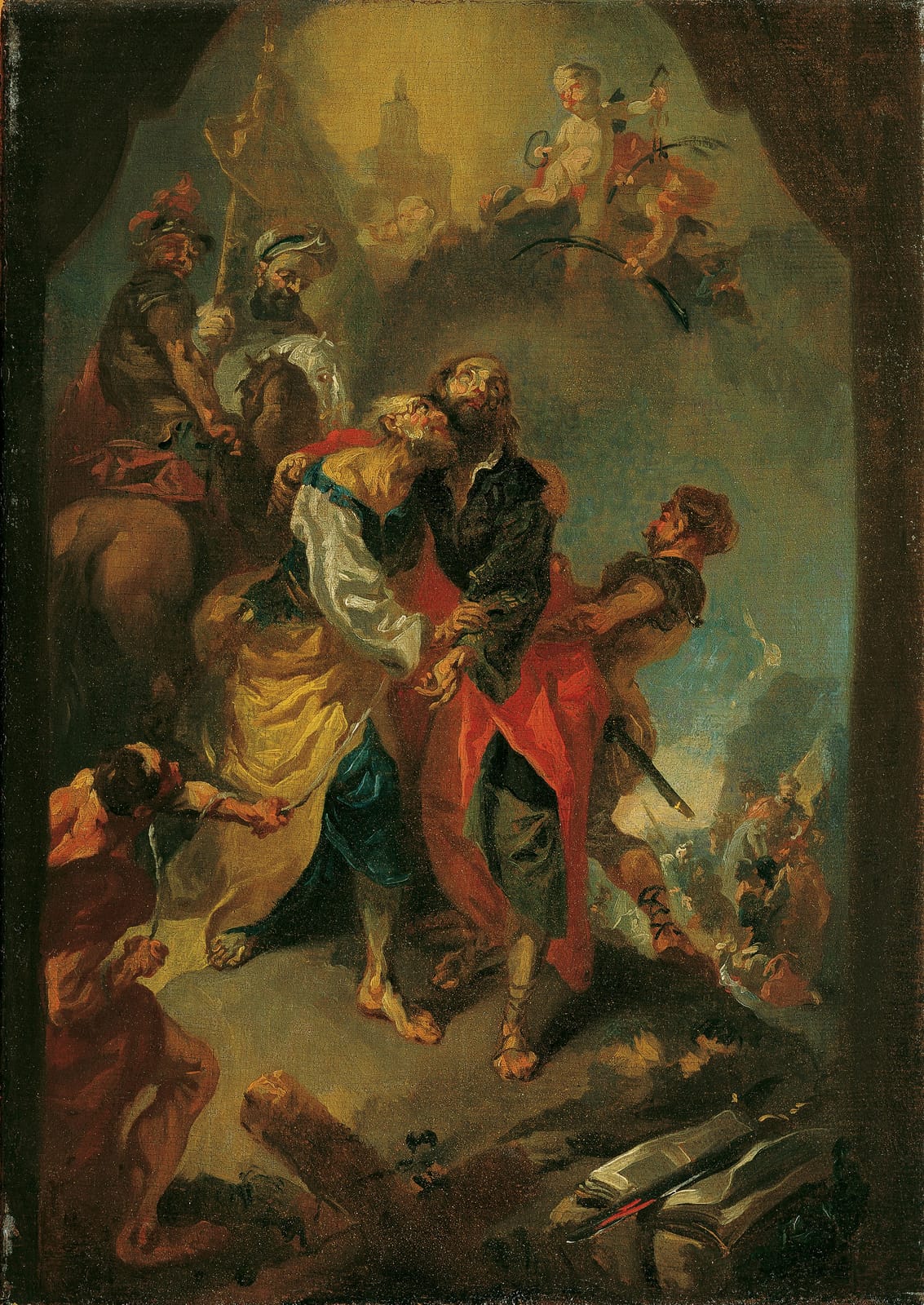
Farewell of the Apostles Peter and Paul before Their Martyrdom
Farewell of the Apostles Peter and Paul before Their Martyrdom, Franz Anton Maulbertsch (1724–1796), 2170. Credits

After Pentecost

July 6, 2026

July 6: The Octave Day of the Holy Apostles Peter and Paul

From Dom Guéranger’s The Liturgical Year.

FIRMLY resting upon Peter, the Church turns to him whom the Spouse has given to be her Head, and testifies to him no less veneration and love than obedience and fidelity; such is the craving of her gratitude. Moreover, she is fully aware of what is thus expressed by St Peter Damian (or as others say by a disciple of St Bernard): ' None may pretend to intimacy with our Lord unless he be intimate with Peter.' Such is the amirable harmony between God's approach to his creature and its advance towards him. God is not found save in Jesus; nor Jesus, save in the Church; nor the Church, save in Peter. 'If you had known me,' said Christ, ‘you would without doubt have known my Father also'; but the Jews sought God outside Jesus, and their efforts were vain. Since then others have come, wanting to find Jesus whilst setting aside his Church; but that which God has joined, what man shall put asunder? So these men, running after a Christ, a phantom of their own conceptions, have found neither Jesus Christ nor his Church.

This week's Sunday: The Sixth Sunday after Pentecost

From Dom Guéranger’s The Liturgical Year.

The Office for the sixth Sunday after Pentecost, which began yesterday evening, reminded us, in its Magnificat antiphon, of a repentance which has never had an equal. David, the royal prophet, the conqueror of Goliath, himself conquered by sensuality, and from adulterer become a murderer, at last felt the crushing weight of his double crime, and exclaimed: 'I do beseech thee, O Lord, take away the iniquity of thy servant, for I have done foolishly!'

Sin is always a folly and a weakness, no matter of what kind it may be, or who he be that commits it. The rebel angel, and fallen man, may, in their pride, make efforts to persuade themselves that, when they sinned, they did not act as fools, and were not weak; but all their efforts are vain; sin must ever have this disgrace upon it, that it is folly and weakness, for it is a revolt against God, a contempt for His law, a mad act or the creature, who, being made by his.

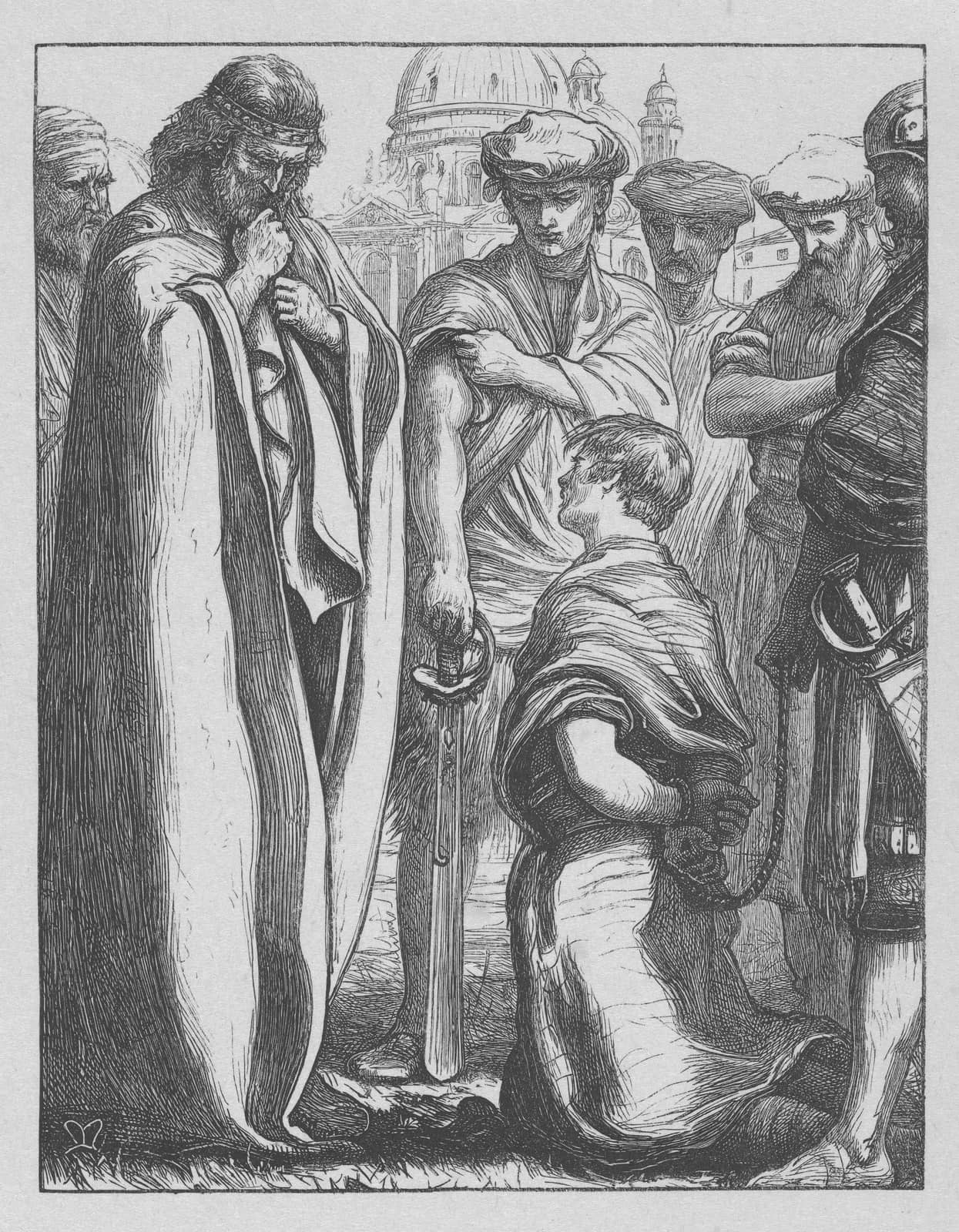
The parable of the unmerciful servant
Sir John Everett Millais (1829–1896), The Unmerciful Servant, from The Parables of Our Lord and Saviour Jesus Christ, 1864. Credits

Email view of this day