
This day

July 8, 2026

After Pentecost

July 8, 2026

July 8: St. Elizabeth, Queen of Portugal

From Dom Guéranger’s The Liturgical Year.

IN the footsteps of Margaret of Scotland and of Clotilde of France, a third queen comes to shed her brightness on the sacred cycle. Born at the southern extremity of Christendom, where it borders on Muslim lands, she was destined by the Holy Ghost to seal with peace the victories of Christ, and prepare the way for fresh conquests. The blessed name of Elizabeth, which for half a century had been rejoicing the world with its sweet perfume, was given to her, foretelling that this new-born child, as though attracted by the roses which fell from the mantle of her Thuringian aunt, was to cause these same heavenly flowers to blossom in Iberia.

There is a mysterious heirship among the saints of God. The same year in which one niece of Elizabeth of Thuringia was bom in Spain, another, Blessed Margaret of Hungary, took her flight to heaven. She had been consecrated to God from her mother’s womb, as a pledge for the salvation of her people, in the midst of terrible disasters; and the hopes so early centred in her were not frustrated.

This week's Sunday: The Sixth Sunday after Pentecost

From Dom Guéranger’s The Liturgical Year.

The Office for the sixth Sunday after Pentecost, which began yesterday evening, reminded us, in its Magnificat antiphon, of a repentance which has never had an equal. David, the royal prophet, the conqueror of Goliath, himself conquered by sensuality, and from adulterer become a murderer, at last felt the crushing weight of his double crime, and exclaimed: 'I do beseech thee, O Lord, take away the iniquity of thy servant, for I have done foolishly!'

Sin is always a folly and a weakness, no matter of what kind it may be, or who he be that commits it. The rebel angel, and fallen man, may, in their pride, make efforts to persuade themselves that, when they sinned, they did not act as fools, and were not weak; but all their efforts are vain; sin must ever have this disgrace upon it, that it is folly and weakness, for it is a revolt against God, a contempt for His law, a mad act or the creature, who, being made by his.

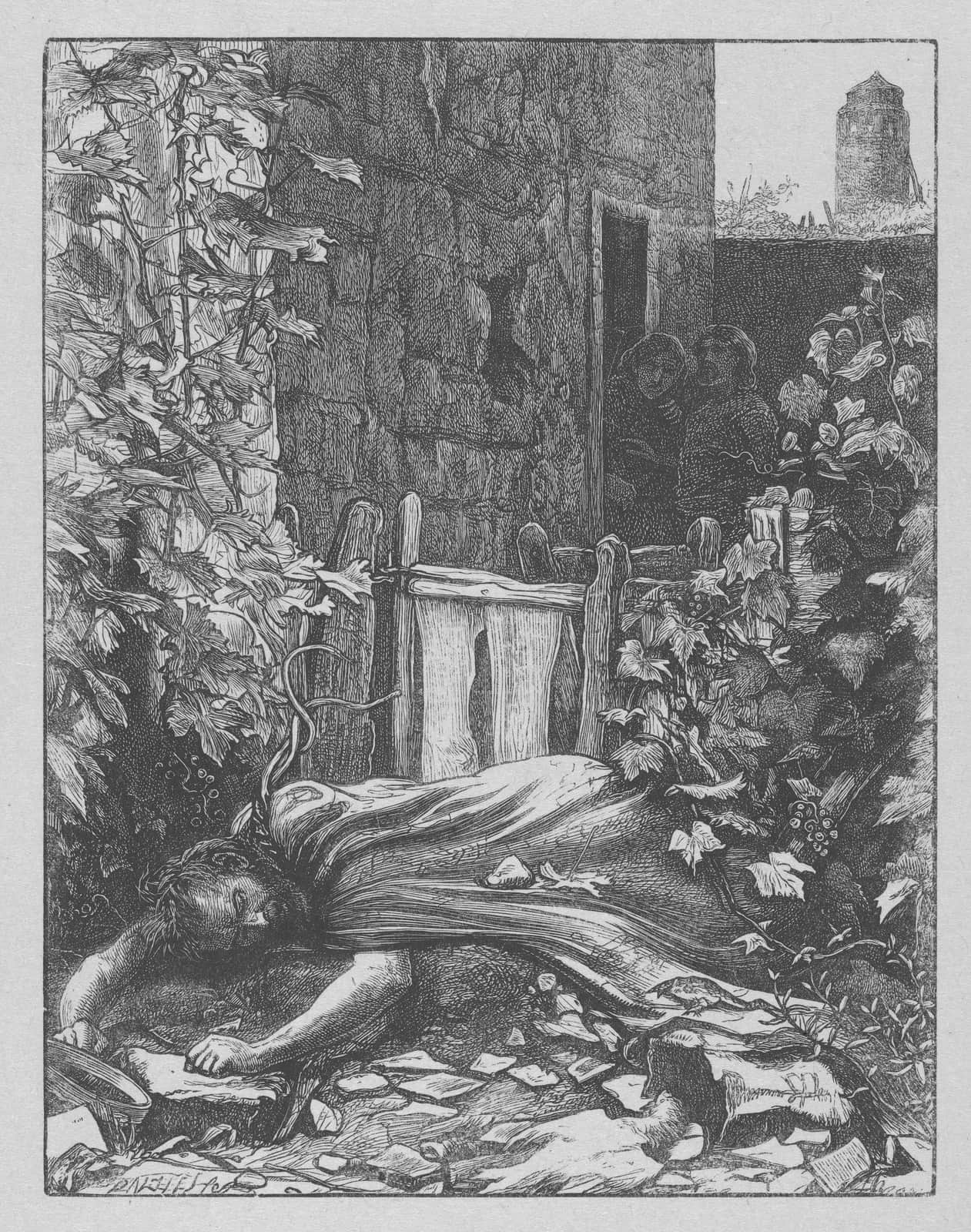
The parable of the wicked husbandmen
Sir John Everett Millais (1829–1896), The Wicked Husbandmen, from The Parables of Our Lord and Saviour Jesus Christ, 1864. Credits

Email view of this day