This day

July 21, 2026

After Pentecost

July 21, 2026

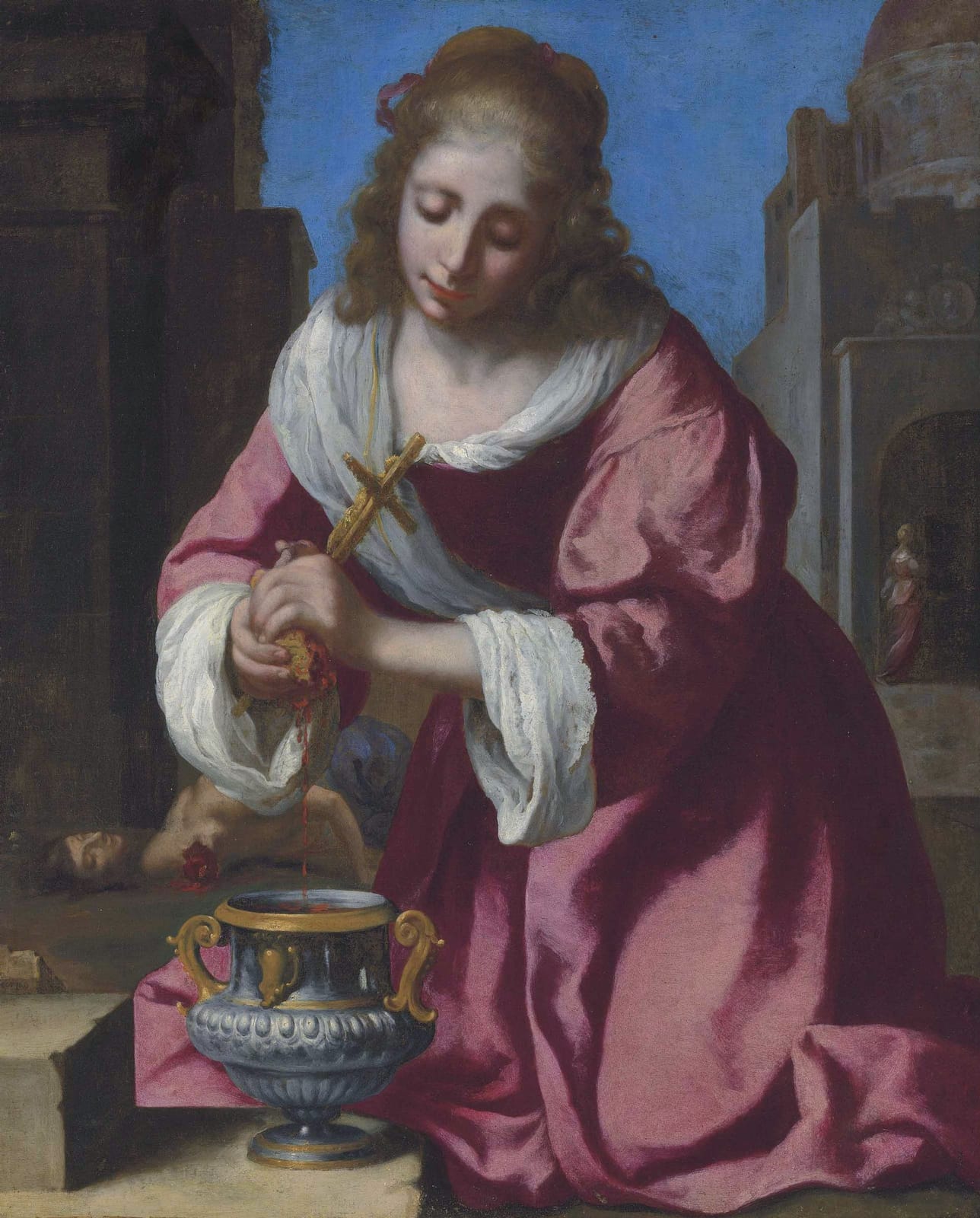
July 21: St. Praxedes, Virgin

From Dom Guéranger’s The Liturgical Year.

ON this day Pudentiana's angelic sister at length obtained from her Spouse release from bondage, and from the burden of exile that weighed so heavily on this last scion of a holy and illustrious stock. New races, unknown to her fathers when they laid the world at the feet of Rome, now governed the Eternal City. Nero and Domitian had been actuated by a tyrannical spirit; but the philosophical Cæsars showed how absolutely they misconceived the destinies of the great city. The salvation of Rome lay in the hands of a different dynasty: a century back Praxedes' grandfather, more legitimate inheritor of the traditions of the Capitol than all the emperors present or to come, hailed in his guest, Simon Bar-Jona, the ruler of the future. Host of the prince of the apostles was a title handed down by Pudens to his posterity: for in the time of Pius I, as in that of St. Peter, his house was still the shelter of the Vicar of Christ. Left the sole heiress of such traditions, Praxedes, after the death of her beloved sister, converted her palaces into churches, which resounded day and night with divine praises, and where pagans hastened in crowds to be baptized.

This week's Sunday: The Eighth Sunday after Pentecost

From Dom Guéranger’s The Liturgical Year.

In the middle ages this Sunday was called the sixth and last Sunday after the Natalis of the apostles (that is, the feast of St. Peter); it was, indeed, the last for the years when Easter had been kept as late in April as was possible; but it was only the first after that feast of St. Peter when Easter immediately followed the spring equinox.

We have already noticed the variable character of this last portion of the liturgical cycle, which is the result of Easter being kept on a different day each year; and that in consequence of this variation this week may be the second in which the Sapiential Books are read, or, what is of more frequent occurrence, the Books of Kings may still be providing the lessons for the Divine Office. In this latter case it is the ancient temple raised by Solomon, the king of peace, to the glory of Jehovah, that engages the Church's attention to-day. We shall find that the portions of the Mass which are chanted on this Sunday are closely connected with the lessons read in last night’s Office.

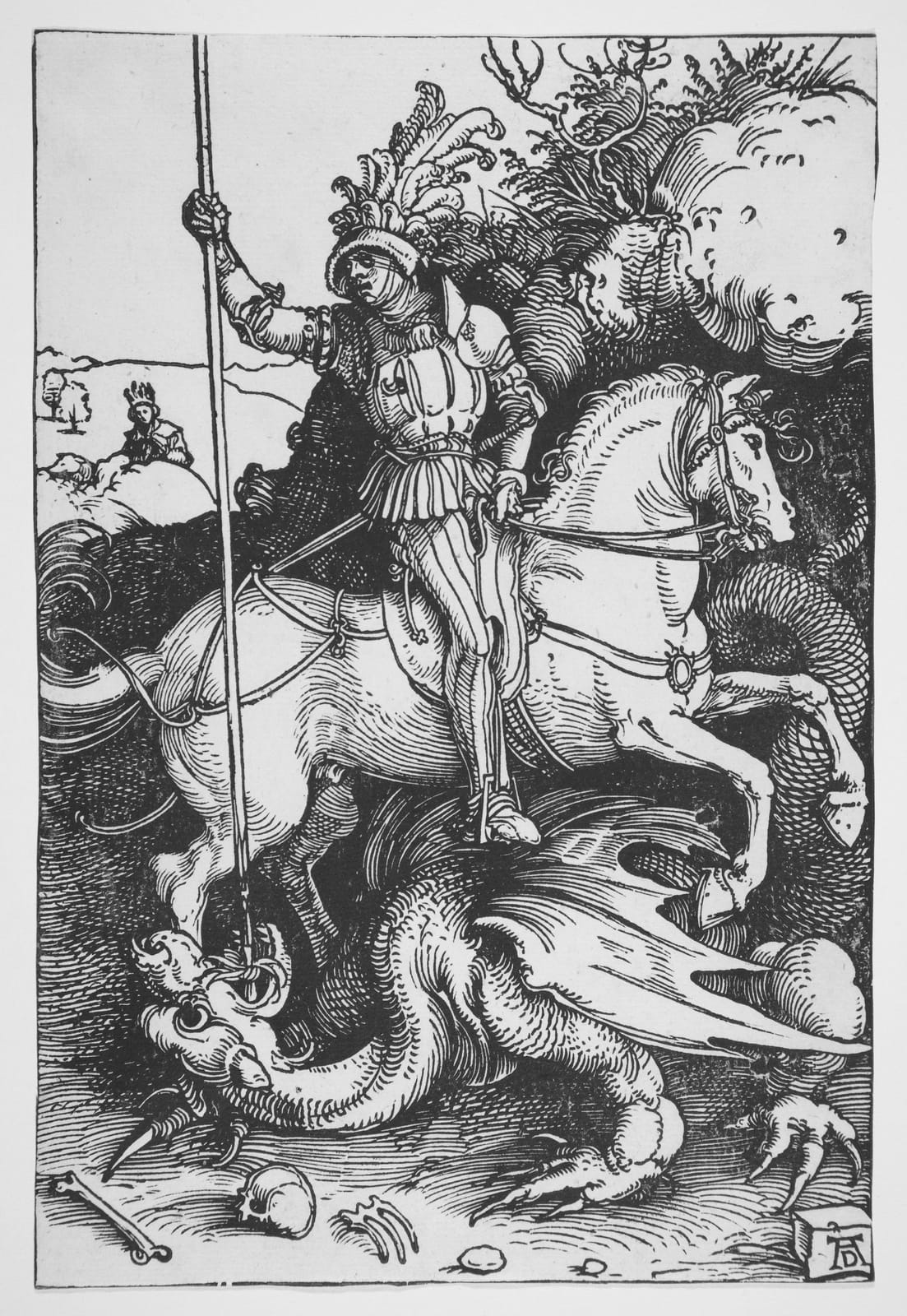
Saint George slaying the dragon
Albrecht Dürer (1471–1528), Saint George Slaying the Dragon, ca. 1504. Credits

Email view of this day