This day

August 6, 2026

Transfiguration of Christ
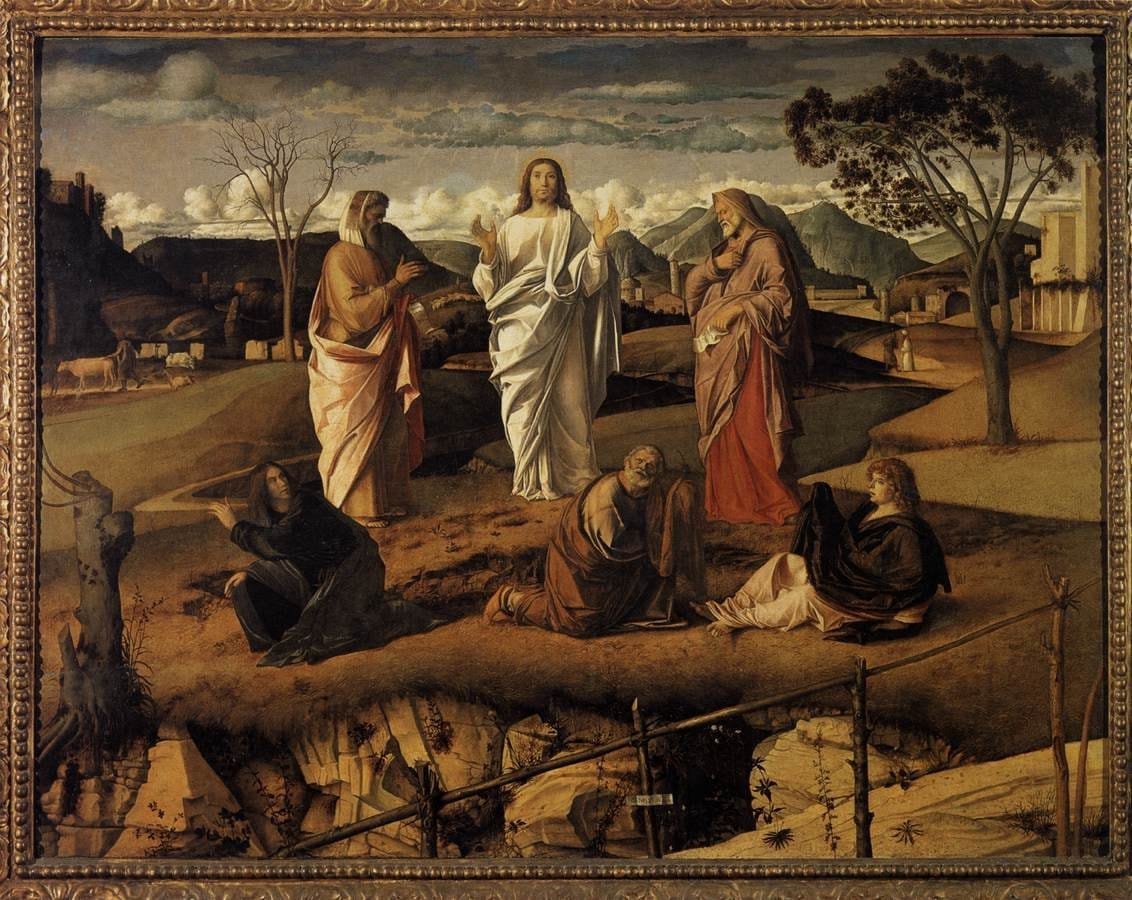
Transfiguration of Christ, Giovanni Bellini (1430–1516), c. 1480. Credits

After Pentecost

August 6, 2026

A Double of the II Class leads; St. Sixtus II, and Ss. Felicissimus and Agapitus is commemorated.Rubric

August 6: Transfiguration of Our Lord

From Dom Guéranger’s The Liturgical Year.

O GOD, who in the glorious Transfiguration of Thine only-begotten Son, didst confirm the mysteries of the faith by the testimony of the fathers: and who, in the voice which came from the bright cloud, didst in a wonderful manner fore-signify our adoption as sons: mercifully vouchsafe to make us fellow-heirs of that King of glory, and the sharers of His bliss.' Such is the formula which sums up the prayer of the Church and shows us her thoughts on this day of attestation and of hope.

We must first notice that the glorious Transfiguration has already been twice brought before us on the sacred cycle—viz., on the second Sunday of Lent, and on the preceding Saturday. What does this mean, but that the object of the present solemnity is not so much the historical fact already known, as the permanent mystery attached to it; not so much the personal favour bestowed on Simon Peter and the sons of Zebedee, as the accomplishment of the great message then entrusted to them for the Church? Tell the vision to no man, till the Son of Man be risen from the dead.
Chapter 2: The Mystery of the Time after Pentecost

From Dom Guéranger’s The Liturgical Year.

That we may thoroughly understand the meaning and influence of the season of the liturgical year upon which we have now entered, it is requisite for us to grasp the entire sequel of mysteries, which holy Church has celebrated in our presence and company; we have witnessed her services, and we have shared in them. The celebration of those mysteries was not an empty pageant, acted for the sake of being looked at. Each one of them brought with it a special grace, which produced in our souls the reality signified by the rites of the liturgy. At Christmas Christ was born within us; at Passiontide He passed on and into us His sufferings and atonements; at Easter He communicated to us His glorious, His untrammelled life; in His Ascension He drew us after Him, and this even to heaven’s summit; in a word, as the apostle expresses all this working, ‘Christ was formed in us.’

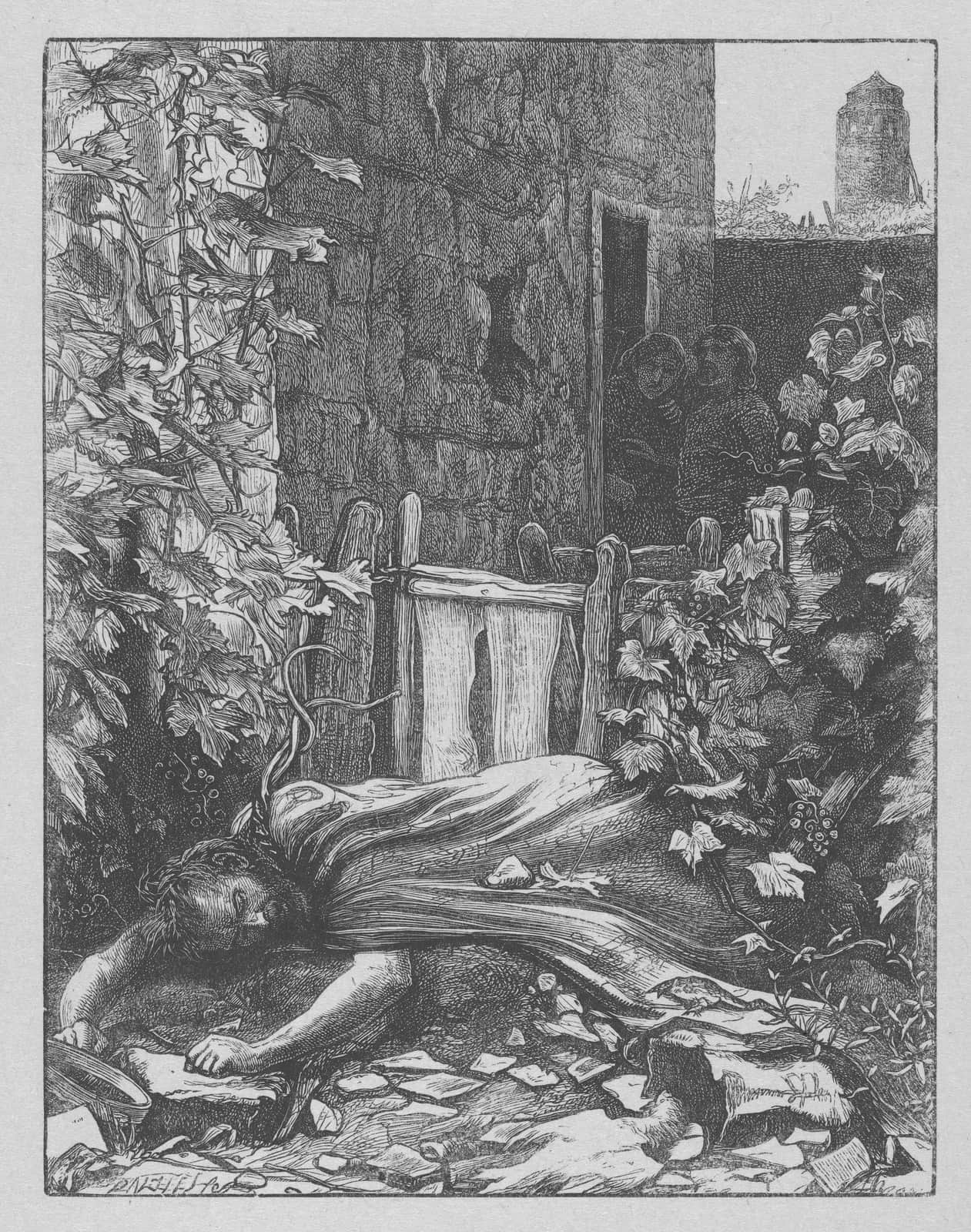
The parable of the wicked husbandmen
Sir John Everett Millais (1829–1896), The Wicked Husbandmen, from The Parables of Our Lord and Saviour Jesus Christ, 1864. Credits

Email view of this day