
This day

August 9, 2026

Christ Healing the Deaf-Mute
Christ Healing the Deaf-Mute, Philippe de Champaigne (1602–1674), c. 1650. Credits

After Pentecost

August 9, 2026

The Eleventh Sunday after Pentecost

From Dom Guéranger’s The Liturgical Year.

With the Greeks, this Sunday—their eleventh of Saint Matthew—is called the Parable of the King, who calls his servants to account. In the western Church, it has gone under the name of Sunday of the deaf and dumb, ever since the Gospel of the pharisee and the publican has been assigned to the tenth. To-day's Mass, as we now have it, still gives evidence as to what was its ancient arrangement. Our commentary on to-day's liturgy will show us this very plainly.

In the years when Easter falls nearest to March 21 the Books of Kings are continued as lessons of Matins up to, but never beyond, this Sunday. The sickness of the good king Ezechias, and the miraculous cure he obtained by his prayers and tears, are then the subject of the first lessons of the night-Office.

The learned and pious Abbot Rupert, writing on this Sunday's Mass previous to the change made in the order of the Gospel lessons, thus explains the Church's reason for selecting the following Introit: ‘The publican in the Gospel accuses himself, saying: “I am not worthy to lift up mine eyes to heaven.”
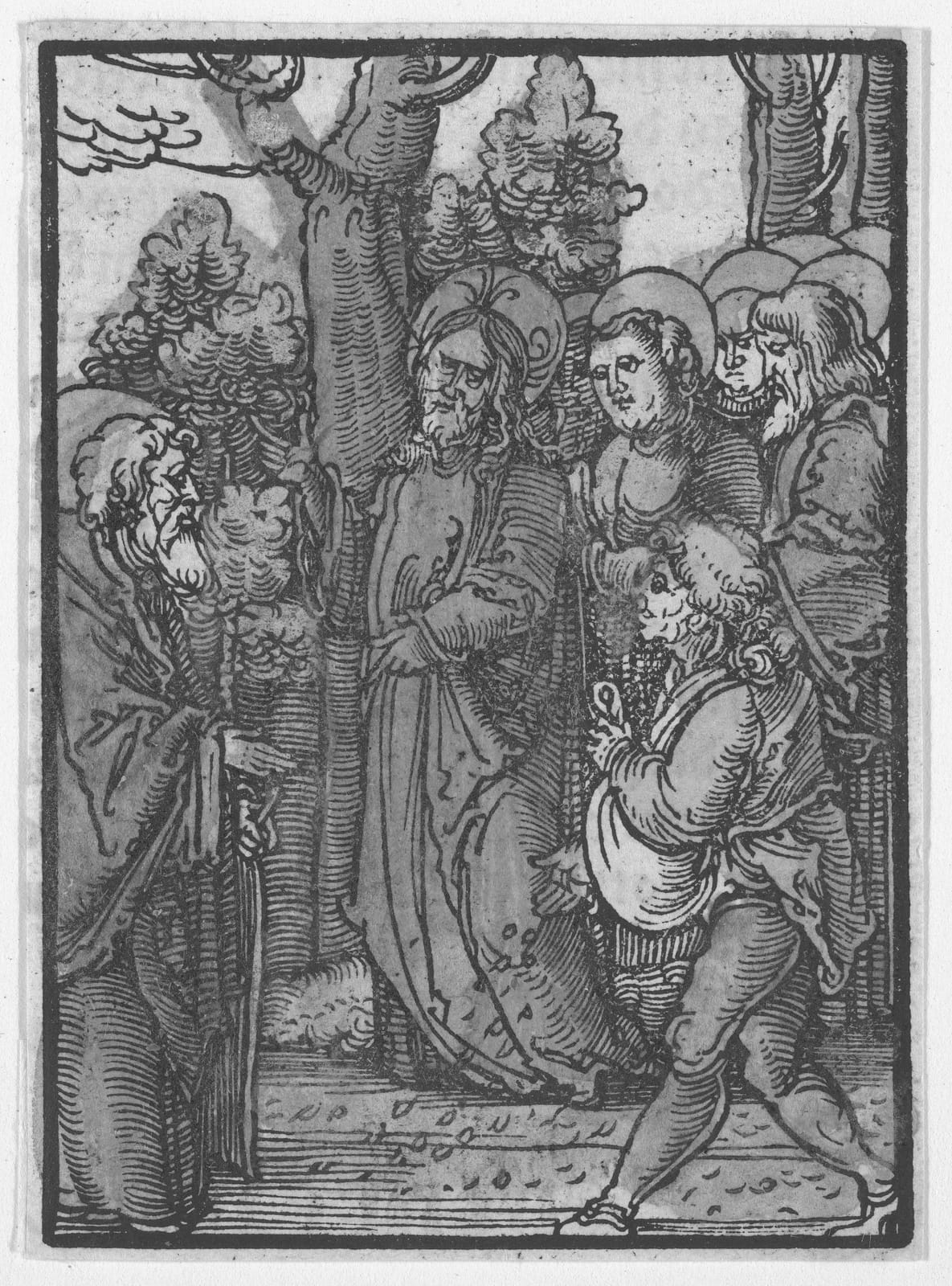
Chapter 5: On Hearing Mass during the Time after Pentecost

From Dom Guéranger’s The Liturgical Year.

Of all the good acts wherewith a Christian can sanctify his day, there is not one which bears comparison with that of assisting at the holy sacrifice of the Mass. It is in that sacrifice, the supreme act of religion, that is centred all the homage due from man to his Creator; and it is also from the same sacrifice that God pours out profusely upon his creature man every sort of blessing. The very Son of God is really present there; there He is offered up to His Father, and the offering is always well-pleasing; and they who assist at this divine immolation with faith and love receive into their souls graces of a far richer kind than are given by ordinary means.

The assistance at Mass, if completed by the real participation of the divine victim, unites man to God in an ineffable way by the renovation of his whole being, for it produces an intimate communion between him and the Word Incarnate.

The parable of the wheat and the weeds
Hans Schäufelein (1480–1540), The Parable of the Sower and the Weeds, from Das Plenarium, 1517. Credits

Email view of this day