This day

August 15, 2026

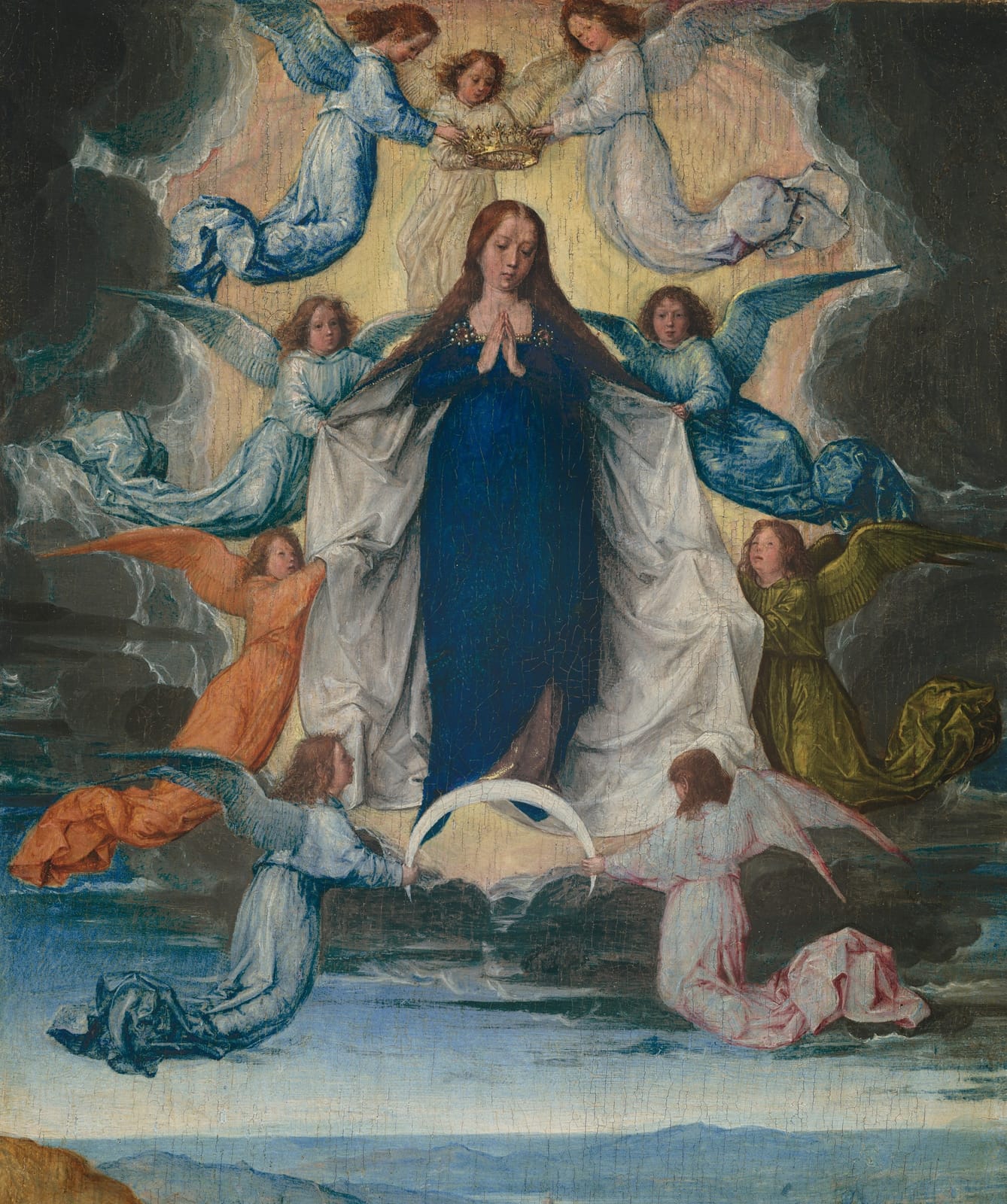
The Virgin Mary in a blue gown rising in prayer, borne by clothed angels who hold her mantle, a crown above her and a crescent moon beneath
The Assumption of the Virgin, Michel Sittow, c. 1500. Credits

After Pentecost

August 15, 2026

August 15: Assumption of the Most Blessed Virgin

From Dom Guéranger’s The Liturgical Year.

TO-DAY the Virgin Mary ascended to heaven; rejoice, for she reigns with Christ for ever.' The Church will close her chants on this glorious day with this sweet antiphon, which resumes the object of the feast and the spirit in which it should be celebrated.

No other solemnity breathes, like this one, at once triumph and peace; none better answers to the enthusiasm of the many and the serenity of souls consummated in love. Assuredly that was as great a triumph when our Lord, rising by His own power from the tomb, cast hell into dismay; but to our souls, so abruptly drawn from the abyss of sorrows on Golgotha, the suddenness of the victory caused a sort of stupor to mingle with the joy of that greatest of days. In presence of the prostrate angels, the hesitating apostles, the women seized with fear and trembling, one felt that the divine isolation of the Conqueror of death was perceptible even to His most intimate friends, and kept them, like Magdalen, at a distance.

Mary's death, however, leaves no impression but peace; that death had no other cause than love.

This week's Sunday: The Eleventh Sunday after Pentecost

From Dom Guéranger’s The Liturgical Year.

With the Greeks, this Sunday—their eleventh of Saint Matthew—is called the Parable of the King, who calls his servants to account. In the western Church, it has gone under the name of Sunday of the deaf and dumb, ever since the Gospel of the pharisee and the publican has been assigned to the tenth. To-day's Mass, as we now have it, still gives evidence as to what was its ancient arrangement. Our commentary on to-day's liturgy will show us this very plainly.

In the years when Easter falls nearest to March 21 the Books of Kings are continued as lessons of Matins up to, but never beyond, this Sunday. The sickness of the good king Ezechias, and the miraculous cure he obtained by his prayers and tears, are then the subject of the first lessons of the night-Office.

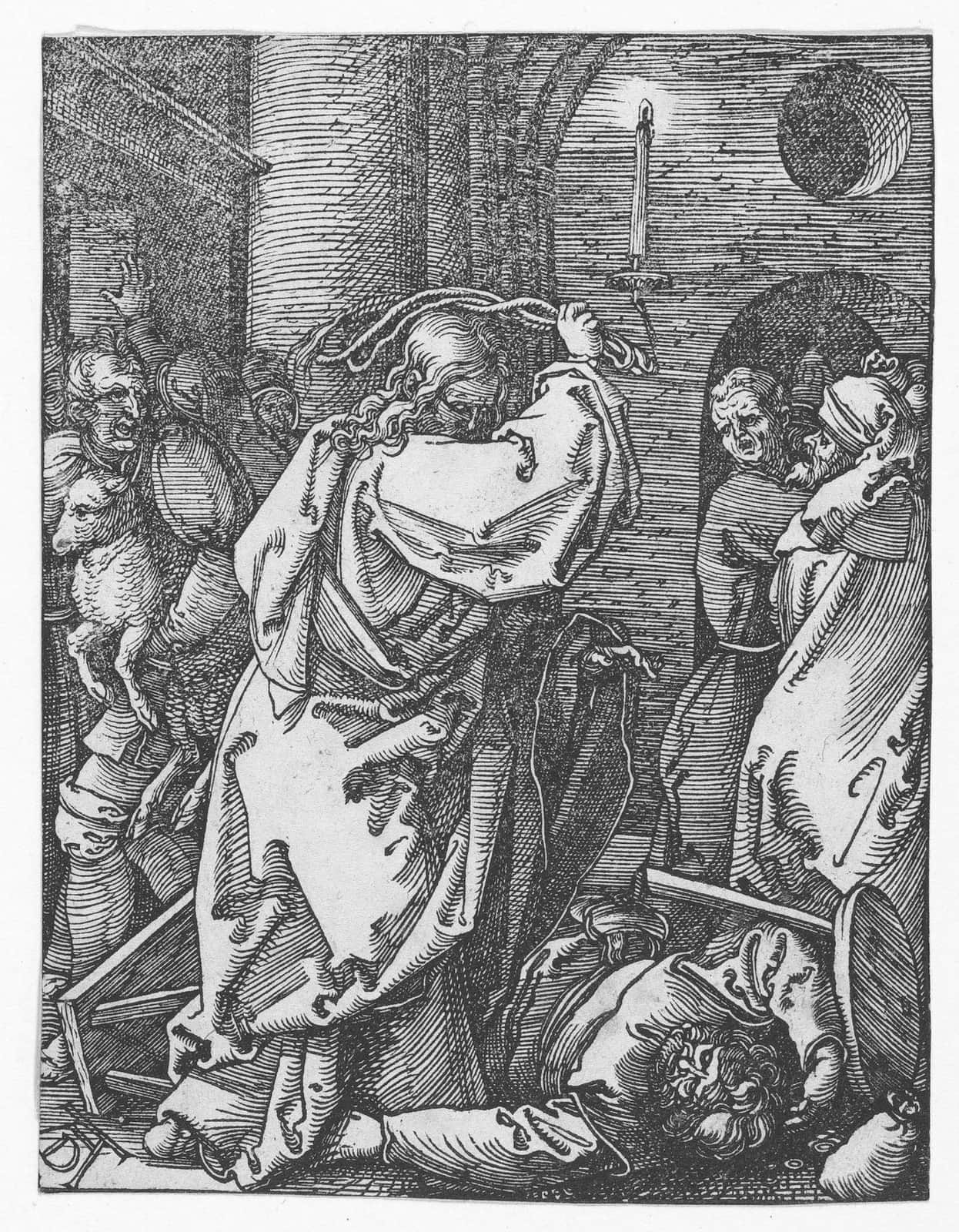
Christ driving the money-changers from the Temple
Albrecht Dürer (1471–1528), Christ Expelling the Money Lenders, from The Small Passion, ca. 1508. Credits

Email view of this day