After Pentecost
August 17, 2026
August 17: St. Hyacinth, Confessor
From Dom Guéranger’s The Liturgical Year.
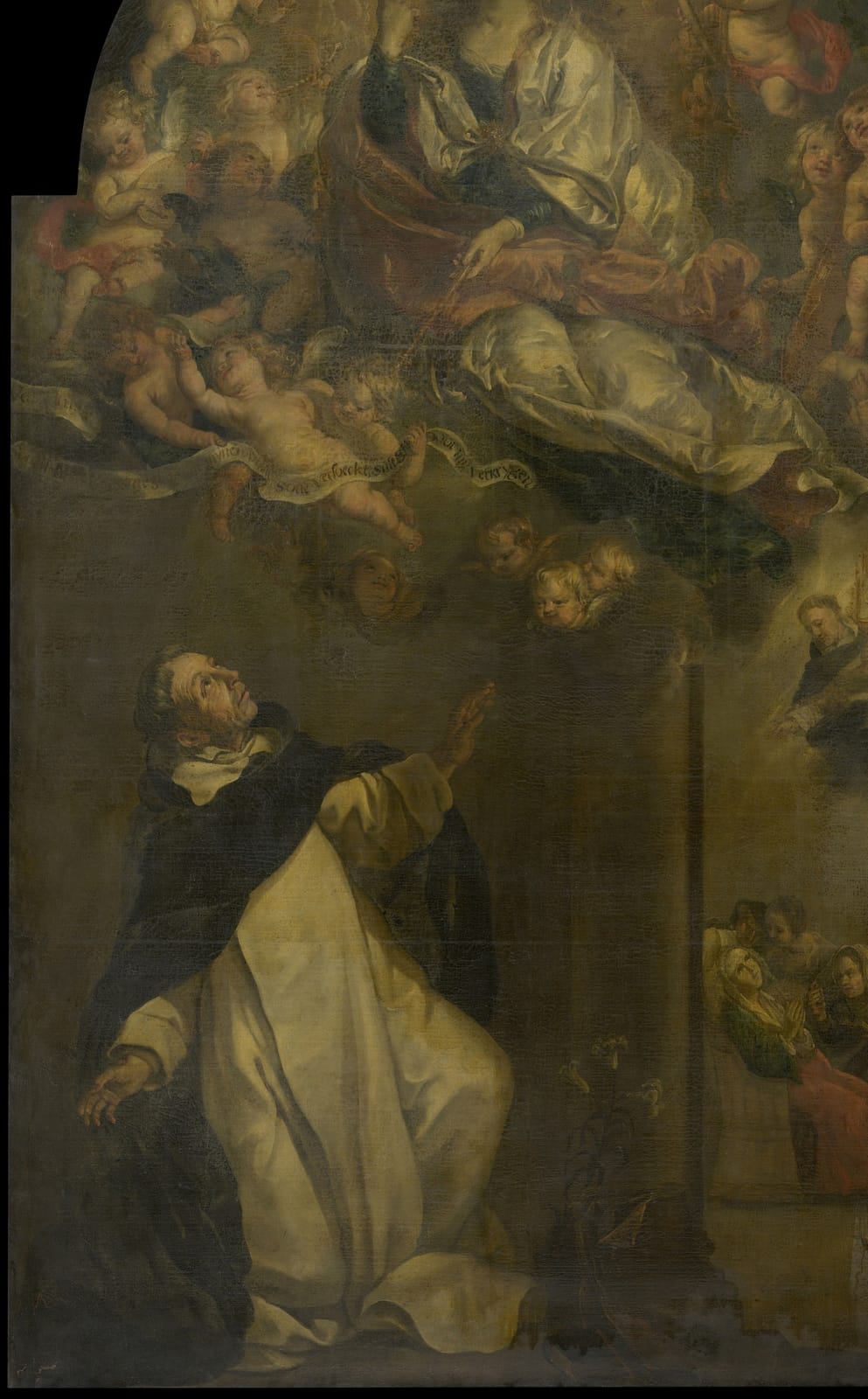
ONE of the loveliest lilies from the Dominican field to-day unfurls its petals at the foot of Mary's throne. Hyacinth represents on the sacred cycle that intrepid band of missionaries who, in the thirteenth and fourteenth centuries, faced the barbarism of the Tartars and Mussulmans which was threatening the West. From the Alps to the northern frontiers of the Chinese Empire, from the islands of the Archipelago to the Arctic regions, he propagated his Order and spread the kingdom of God. On the steppes, where the schism of Constantinople disputed its conquests with the idolatrous invaders from the North, he was seen for forty years working prodigies, confounding heresy, dispelling the darkness of infidelity.
The consecration of martyrdom was not wanting to this, any more than to the first apostolate. Many were the admirable episodes where the angels seemed to smile upon the hard combats of their earthly brethren. In the convent founded by Hyacinth at Sandomir on the Vistula, forty-eight Friars Preachers were gathered together under the rule of blessed Sadoc. One day the lector of the Martyrology, announcing the feast of the morrow, read these words which appeared before his eyes in letters of gold: At Sandomir on the fourth of the Nones of June, the Passion of Forty-nine Martyrs.