This day

August 24, 2026

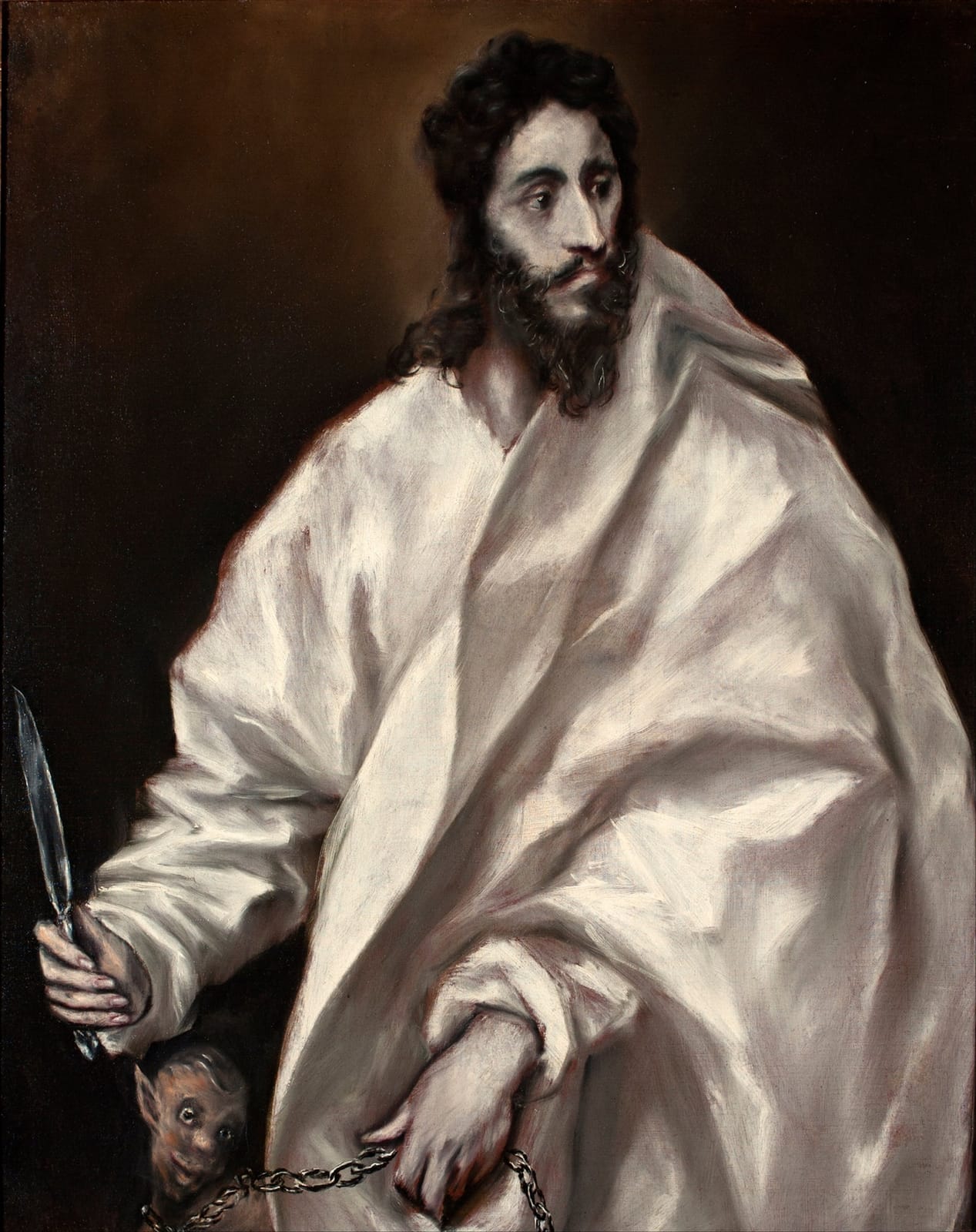
Saint Bartholomew
Saint Bartholomew, El Greco (1541–1614), c. 1610–1614. Credits

After Pentecost

August 24, 2026

August 24: St. Bartholomew, Apostle

From Dom Guéranger’s The Liturgical Year.

A witness of the Son of God, one of the princes who announced His glory to the nations, lights up this day with his apostolic flame. While his brethren of the sacred college followed the human race into all the lands whither the migration of nations had led it, Bartholomew appeared as the herald of the Lord at the very starting point, the mountains of Armenia, whence the sons of Noe spread over the earth. There had the figurative Ark rested; humanity, everywhere else a wanderer, was there seated in stillness, remembering the dove with its olive branch, and awaiting the consummation of the alliance signified by the rainbow which had there for the first time glittered in the clouds. Behold, blessed tidings awake in those valleys the echoes of ancient traditions: tidings of peace, making the universal deluge of sin subside before the Wood of salvation. The serenity announced by the dove of old, was now far outdone. Love was to take the place of punishment. The ambassador of heaven showed God to the sons of Adam, as the most beautiful of their own brethren.

This week's Sunday: The Thirteenth Sunday after Pentecost

From Dom Guéranger’s The Liturgical Year.

The dominical series—which formerly counted from the feast of Saint Peter, or of the apostles—never went beyond this Sunday. The feast of Saint Laurence gave its name to those which follow; though that name began with even the ninth Sunday, for the years when Easter was further from the Spring equinox. And when that solemnity was kept at its latest date, the weeks began from to-day to be counted as the weeks of the seventh month (September).

The Ember-days of the autumn quarter sometimes occur even this week; whilst, other years, they may be as late as the eighteenth. We will speak of them when we come to the seventeenth Sunday, for it is in the week following that, that the Roman missal inserts them.

In the western Church, the thirteenth Sunday takes its name from the Gospel of the ten lepers, which is read in the Mass; the Greeks, who count it as the thirteenth of Saint Matthew, read on it the parable of the vineyard, whose labourers, though called at different hours of the day, all receive the same pay.

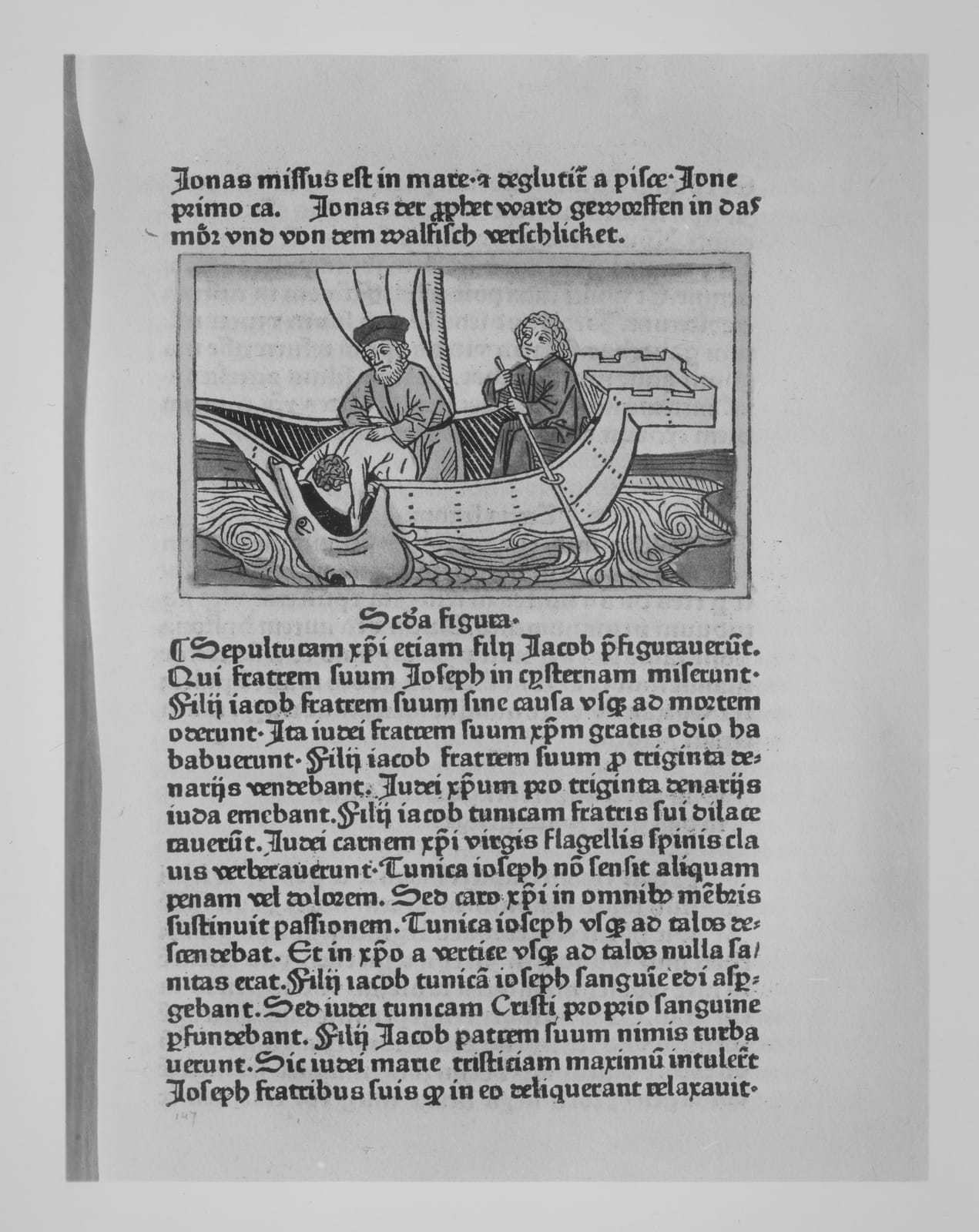
A woodcut opening from Speculum humanae salvationis
Günther Zainer (d. 1478), Speculum humanae salvationis, ca. 1473. Credits

Email view of this day