This day

August 25, 2026

After Pentecost

August 25, 2026

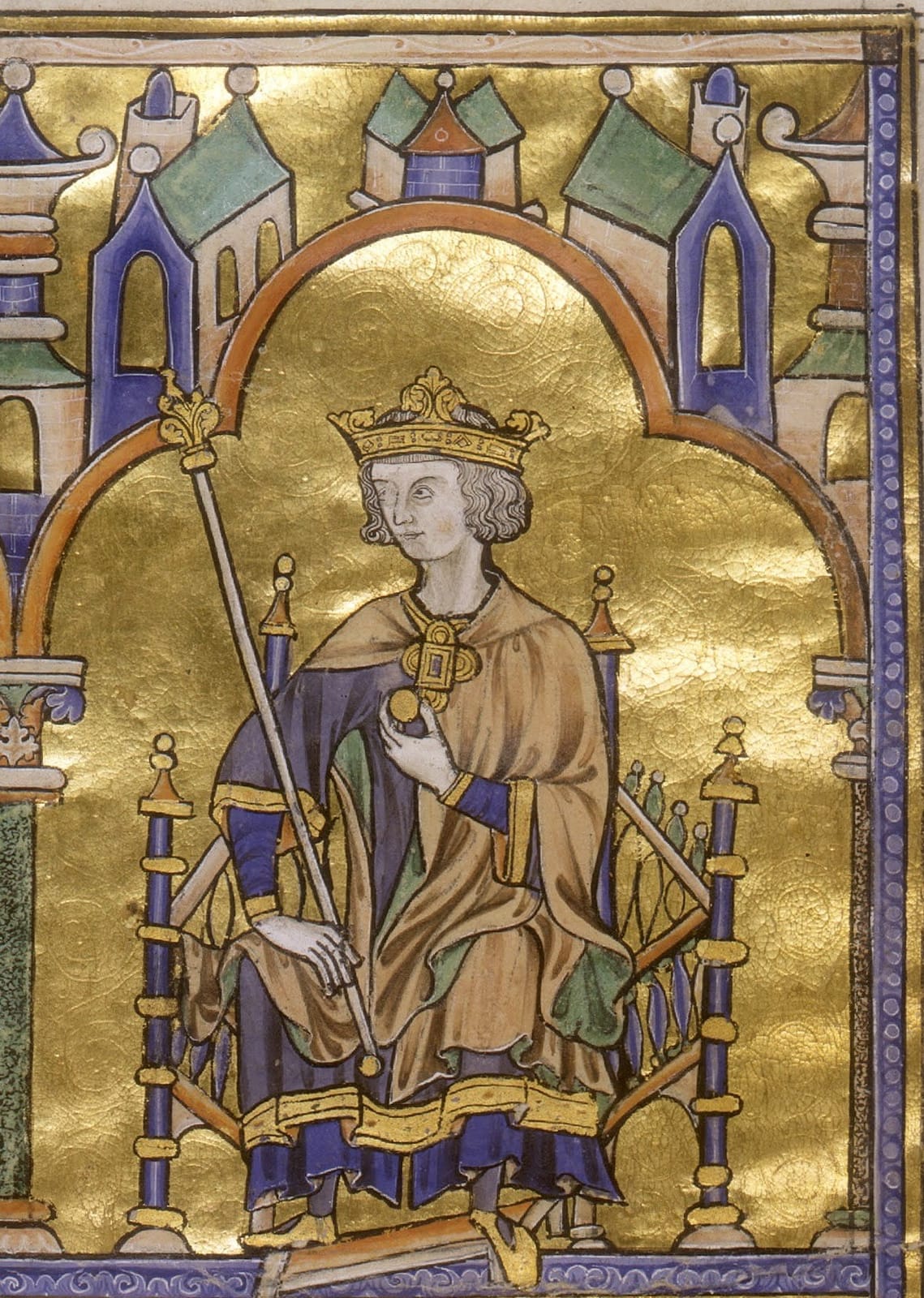
August 25: St. Louis, King of France, Confessor

From Dom Guéranger’s The Liturgical Year.

It was his Christian faith that made Louis IX so great a prince. ‘You that are the judges of the earth, think of the Lord in goodness, and seek Him in simplicity of heart.’ Eternal Wisdom, in giving this precept to kings, rejoiced with divine foreknowledge among the lilies of France, where this great saint was to shine with so bright a lustre.

Subject and prince are bound to God by a common law, for all men have one entrance into life, and the like going out. Far from being less responsible to the divine authority than his subjects, the prince is auswerable for every one of them as well as for himself. The aim and object of creation is that God be glorified by the return of all creatures to their Author, in the manner and measure that He wills. Therefore, since God has called man to a participation in His own divine life, and has made the earth to be to him but a place of passage, mere natural justice and the present order of things are not sufficient for him.

This week's Sunday: The Thirteenth Sunday after Pentecost

From Dom Guéranger’s The Liturgical Year.

The dominical series—which formerly counted from the feast of Saint Peter, or of the apostles—never went beyond this Sunday. The feast of Saint Laurence gave its name to those which follow; though that name began with even the ninth Sunday, for the years when Easter was further from the Spring equinox. And when that solemnity was kept at its latest date, the weeks began from to-day to be counted as the weeks of the seventh month (September).

The Ember-days of the autumn quarter sometimes occur even this week; whilst, other years, they may be as late as the eighteenth. We will speak of them when we come to the seventeenth Sunday, for it is in the week following that, that the Roman missal inserts them.

In the western Church, the thirteenth Sunday takes its name from the Gospel of the ten lepers, which is read in the Mass; the Greeks, who count it as the thirteenth of Saint Matthew, read on it the parable of the vineyard, whose labourers, though called at different hours of the day, all receive the same pay.

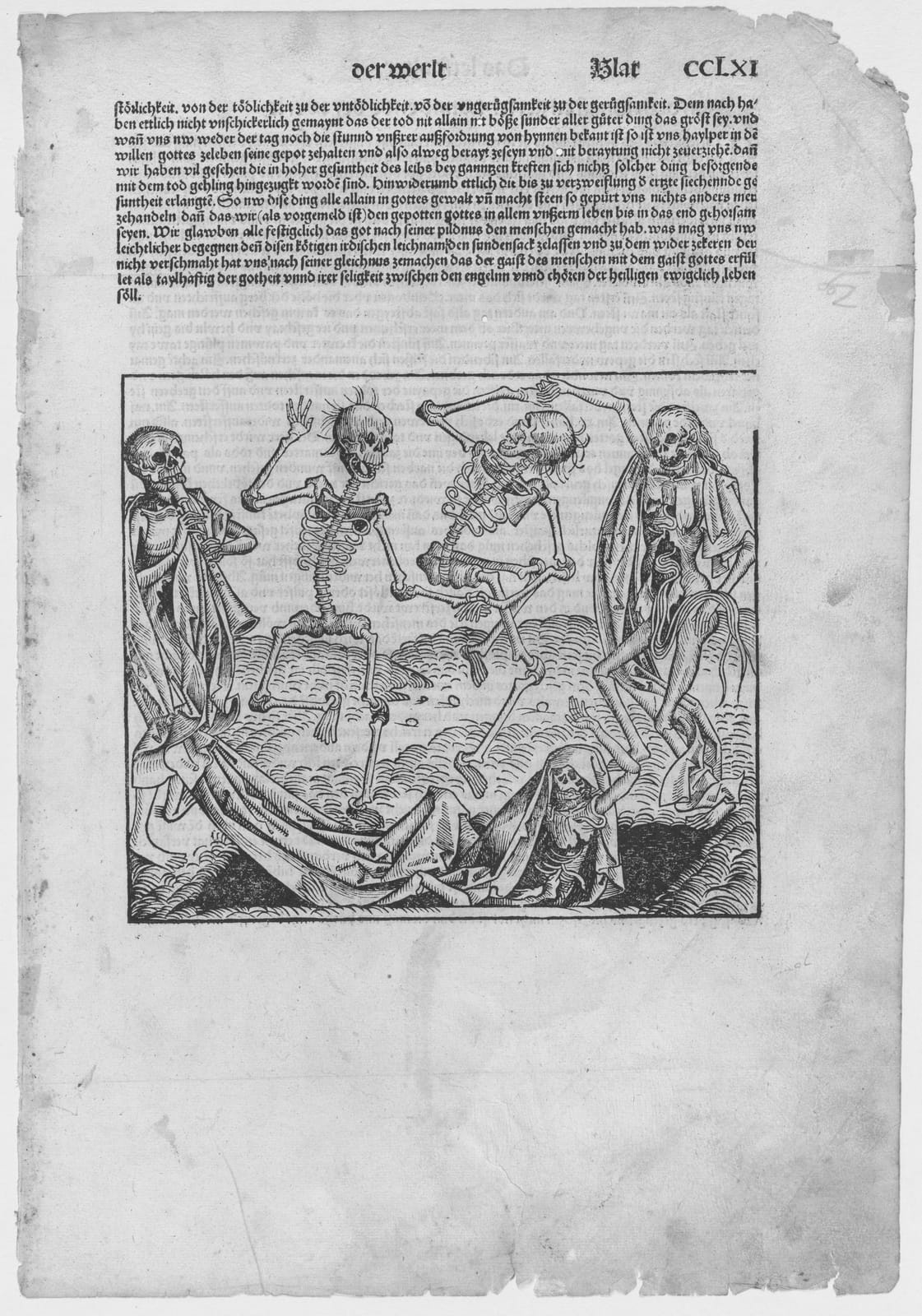
The dance of death, a leaf from the Nuremberg Chronicle
Michael Wolgemut (1434–1519), Dance of Death, from The Nuremberg Chronicle, 1493. Credits

Email view of this day