This day

August 26, 2026

After Pentecost

August 26, 2026

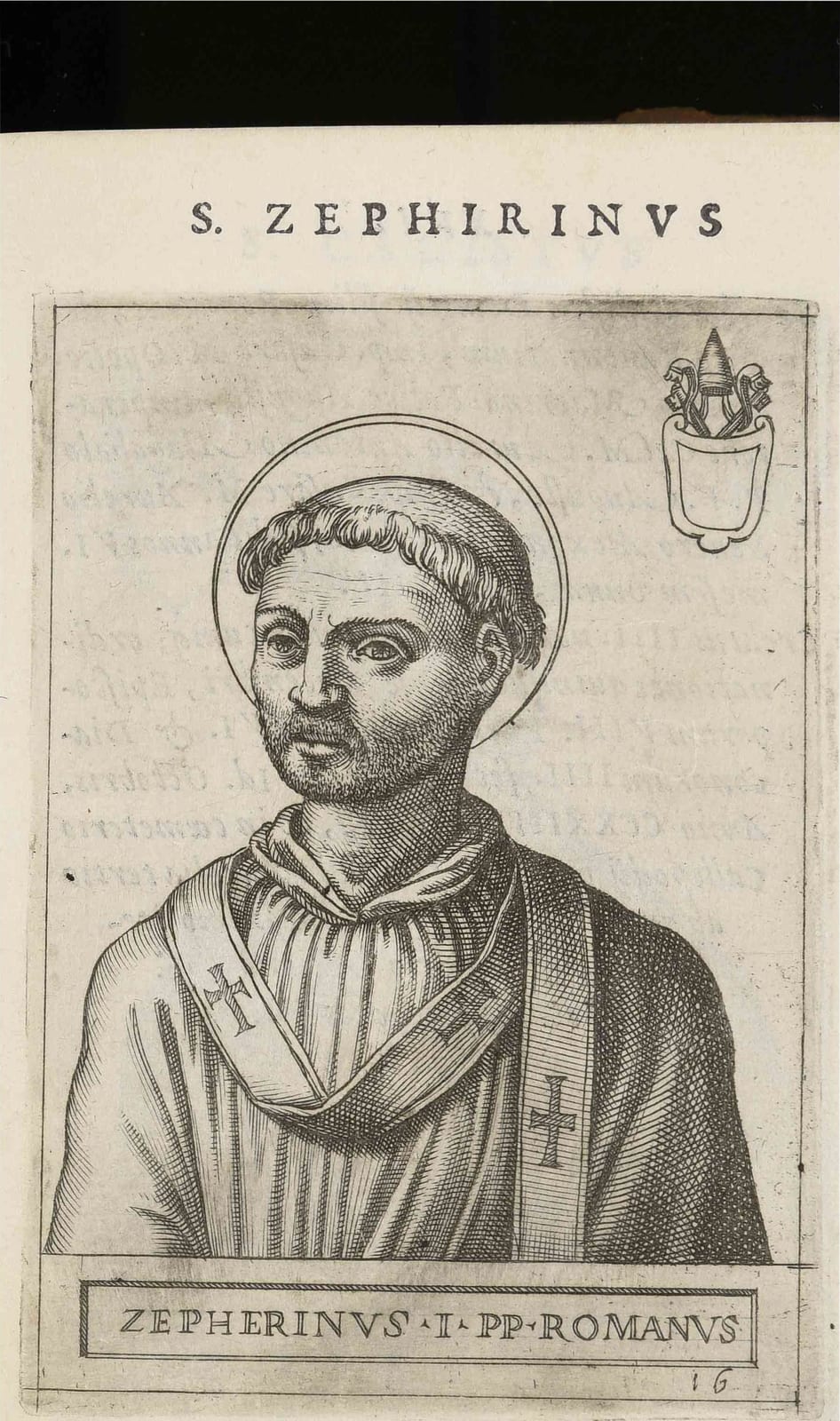
August 26: St. Zephyrinus, Pope and Martyr

From Dom Guéranger’s The Liturgical Year.

Zephyrinus was the first Pontiff to be buried in the celebrated crypt where the Popes of the third century came after their combat to sleep their last sleep. The catacomb which thus succeeded the Vatican cemetery in the honour of sheltering the vicars of Christ, had been opened thirty years before by the virgin martyr Cæcilia. As, when at the point of death, she had consecrated her palace into a church, so now from her tomb she caused her family burialplace to pass into the hands of the Church. This gift of the Cæcilii was the inauguration, in the very face of the pagan government, of common Church property officially recognized by the State. Zephyrinus entrusted the administration of the new cemetery to the person who ranked next to himself in the Roman Church, viz: the archdeacon Callixtus. The holy Pontiff witnessed the growth of heresy concerning the Unity of God and the Trinity of the divine Persons; without the help of the special vocabulary, which was later on to fix even the very terms of theological teaching, he knew how to silence both the Sabellians to whom the Trinity was but a name, and the precursors of Arms, who revenged themselves by reviling him.

This week's Sunday: The Thirteenth Sunday after Pentecost

From Dom Guéranger’s The Liturgical Year.

The dominical series—which formerly counted from the feast of Saint Peter, or of the apostles—never went beyond this Sunday. The feast of Saint Laurence gave its name to those which follow; though that name began with even the ninth Sunday, for the years when Easter was further from the Spring equinox. And when that solemnity was kept at its latest date, the weeks began from to-day to be counted as the weeks of the seventh month (September).

The Ember-days of the autumn quarter sometimes occur even this week; whilst, other years, they may be as late as the eighteenth. We will speak of them when we come to the seventeenth Sunday, for it is in the week following that, that the Roman missal inserts them.

In the western Church, the thirteenth Sunday takes its name from the Gospel of the ten lepers, which is read in the Mass; the Greeks, who count it as the thirteenth of Saint Matthew, read on it the parable of the vineyard, whose labourers, though called at different hours of the day, all receive the same pay.

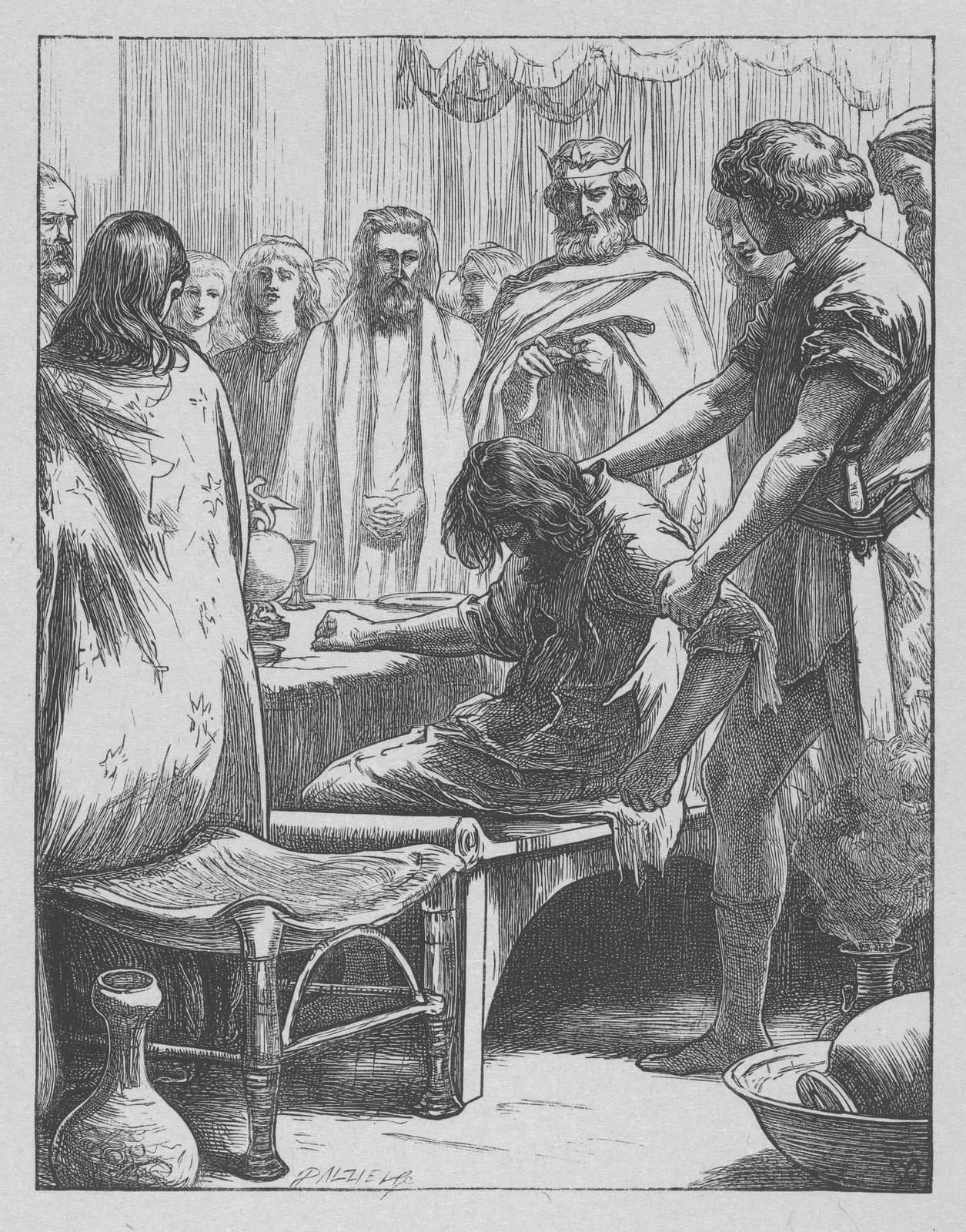
The marriage feast: the guest without a wedding garment
Sir John Everett Millais (1829–1896), The Marriage Feast, from The Parables of Our Lord and Saviour Jesus Christ, 1864. Credits

Email view of this day