This day

August 30, 2026

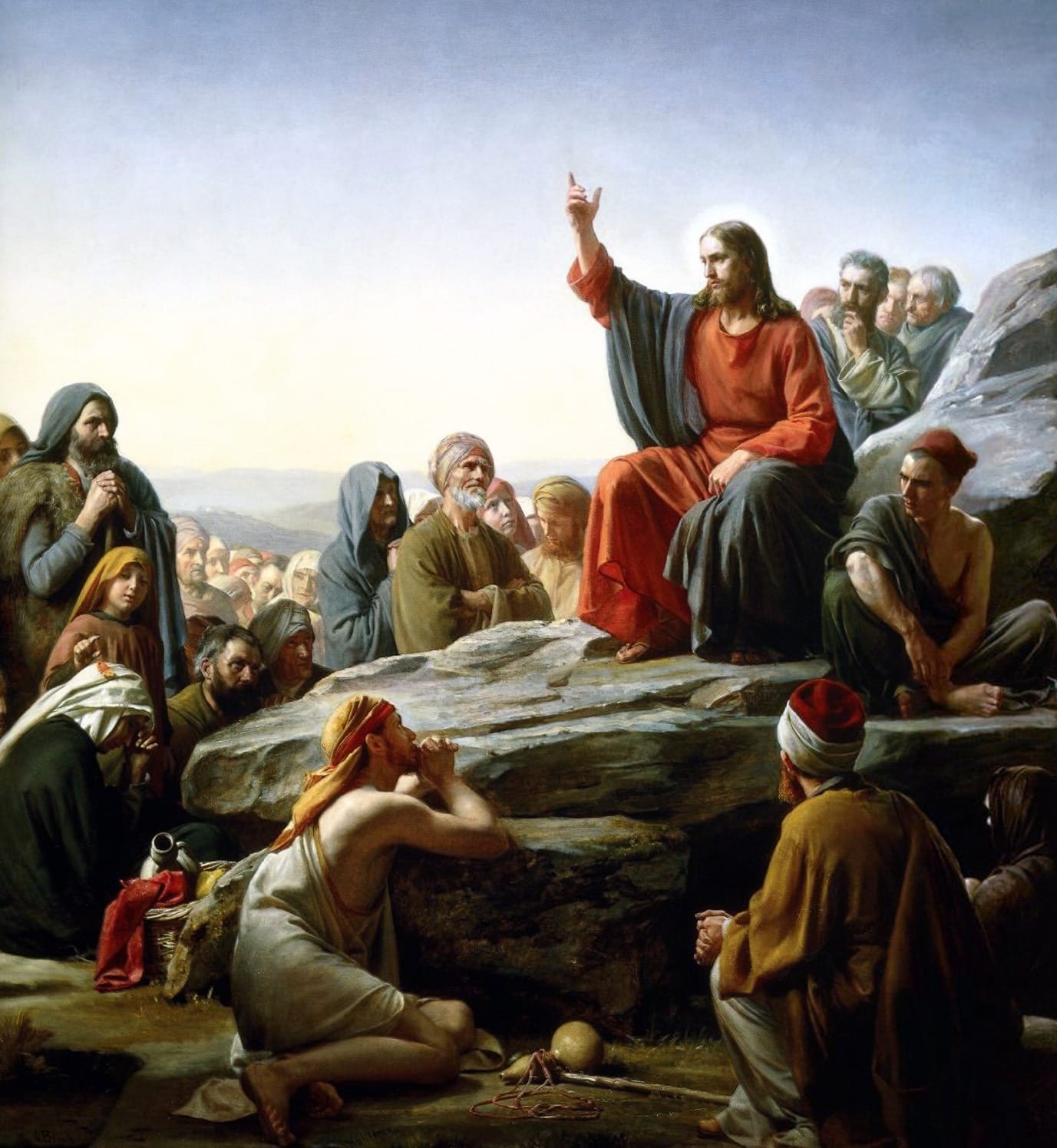
Christ teaches the Sermon on the Mount to the gathered disciples
The Sermon on the Mount, Carl Bloch (1834–1890), 1877. Credits

After Pentecost

August 30, 2026

The Fourteenth Sunday after Pentecost

From Dom Guéranger’s The Liturgical Year.

In the western Church this Sunday is called that of the two masters, because of the Gospel which is read upon it. The Greeks give it the name of the Sunday of the invited to the marriage-feast, or, the fourteenth of St. Matthew, unless the feast of the Exaltation of the holy Cross (September 14) happen to fall during the ensuing week. In this latter case this and the following Sunday are called ‘of the Exaltation,' and take for their Gospels the first from St. John, the second from St. Mark. After this, follow the Sundays called ‘of St. Luke,’which go on till Lent, in the manner already described for St. Matthew.

Behold, O God, our protector! and look on the face of thy Christ! Thus begins the Church, as she advances towards the altar, whereon the holy sacrifice is going to be offered up. The Church is the bride of the Man-God; she is, as the apostle says, His glory; but the Spouse, according to the same St. Paul, is both the image and the glory of God, and the head of His bride.
Chapter 2: The Mystery of the Time after Pentecost

From Dom Guéranger’s The Liturgical Year.

That we may thoroughly understand the meaning and influence of the season of the liturgical year upon which we have now entered, it is requisite for us to grasp the entire sequel of mysteries, which holy Church has celebrated in our presence and company; we have witnessed her services, and we have shared in them. The celebration of those mysteries was not an empty pageant, acted for the sake of being looked at. Each one of them brought with it a special grace, which produced in our souls the reality signified by the rites of the liturgy. At Christmas Christ was born within us; at Passiontide He passed on and into us His sufferings and atonements; at Easter He communicated to us His glorious, His untrammelled life; in His Ascension He drew us after Him, and this even to heaven’s summit; in a word, as the apostle expresses all this working, ‘Christ was formed in us.’

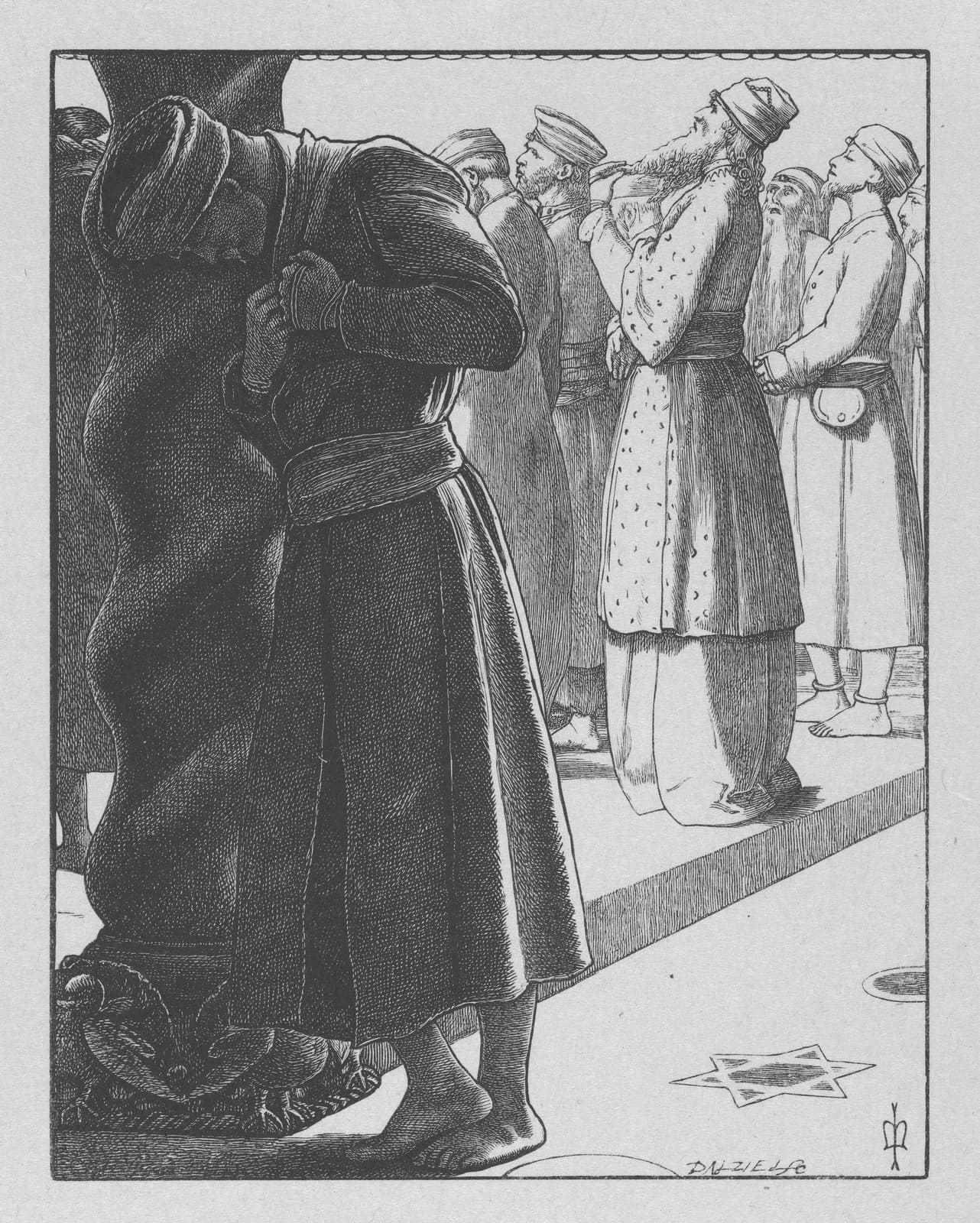
The Pharisee and the publican in the Temple
Sir John Everett Millais (1829–1896), The Pharisee and the Publican, from The Parables of Our Lord and Saviour Jesus Christ, 1864. Credits

Email view of this day