This day

August 31, 2026

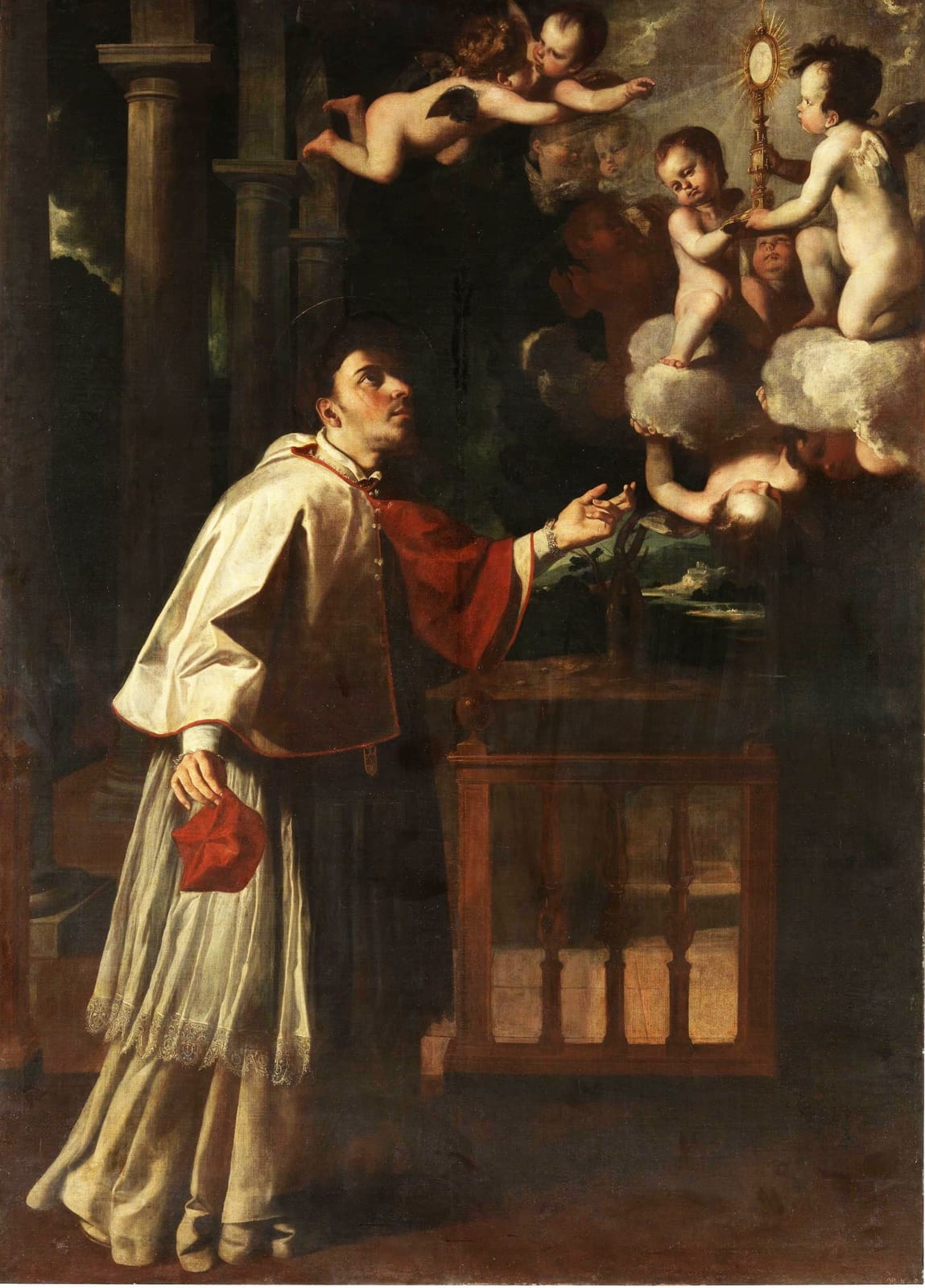
Saint Raymond Nonnatus
Saint Raymond Nonnatus, Jerónimo Jacinto de Espinosa (1600–1667), 17th century. Credits

After Pentecost

August 31, 2026

August 31: St. Raymund Nonnatus, Confessor

From Dom Guéranger’s The Liturgical Year.

August closes as it began, with a feast of deliverance; as though that were the divine seal set by eternal Wisdom upon this month—the month when holy Church makes the works and ways of divine Wisdom the special object of her contemplation.

Upon the fall of our first parents and their expulsion from paradise, the Word and Wisdom of God, that is, the second Person of the blessed Trinity, began the great work of our deliverance—that magnificent work of human redemption which, by an all-gracious, eternal decree of the three divine Persons, was to be wrought out by the Son of God in our flesh. And as that blessed Saviour, in His infinite wisdom, made spontaneous choice of sorrows, of sufferings, and of death on a cross, as the best means of our redemption, so has He always allotted to His best loved friends, the kind of life which He had deliberately chosen for Himself, that is, the way of the cross. And the nearest and dearest to Him were those who were predestined, like His blessed Mother, the Mater Dolorosa, to have the honour of being most like Himself, the Man of sorrows.

This week's Sunday: The Fourteenth Sunday after Pentecost

From Dom Guéranger’s The Liturgical Year.

In the western Church this Sunday is called that of the two masters, because of the Gospel which is read upon it. The Greeks give it the name of the Sunday of the invited to the marriage-feast, or, the fourteenth of St. Matthew, unless the feast of the Exaltation of the holy Cross (September 14) happen to fall during the ensuing week. In this latter case this and the following Sunday are called ‘of the Exaltation,' and take for their Gospels the first from St. John, the second from St. Mark. After this, follow the Sundays called ‘of St. Luke,’which go on till Lent, in the manner already described for St. Matthew.

Behold, O God, our protector! and look on the face of thy Christ! Thus begins the Church, as she advances towards the altar, whereon the holy sacrifice is going to be offered up. The Church is the bride of the Man-God; she is, as the apostle says, His glory; but the Spouse, according to the same St. Paul, is both the image and the glory of God, and the head of His bride.

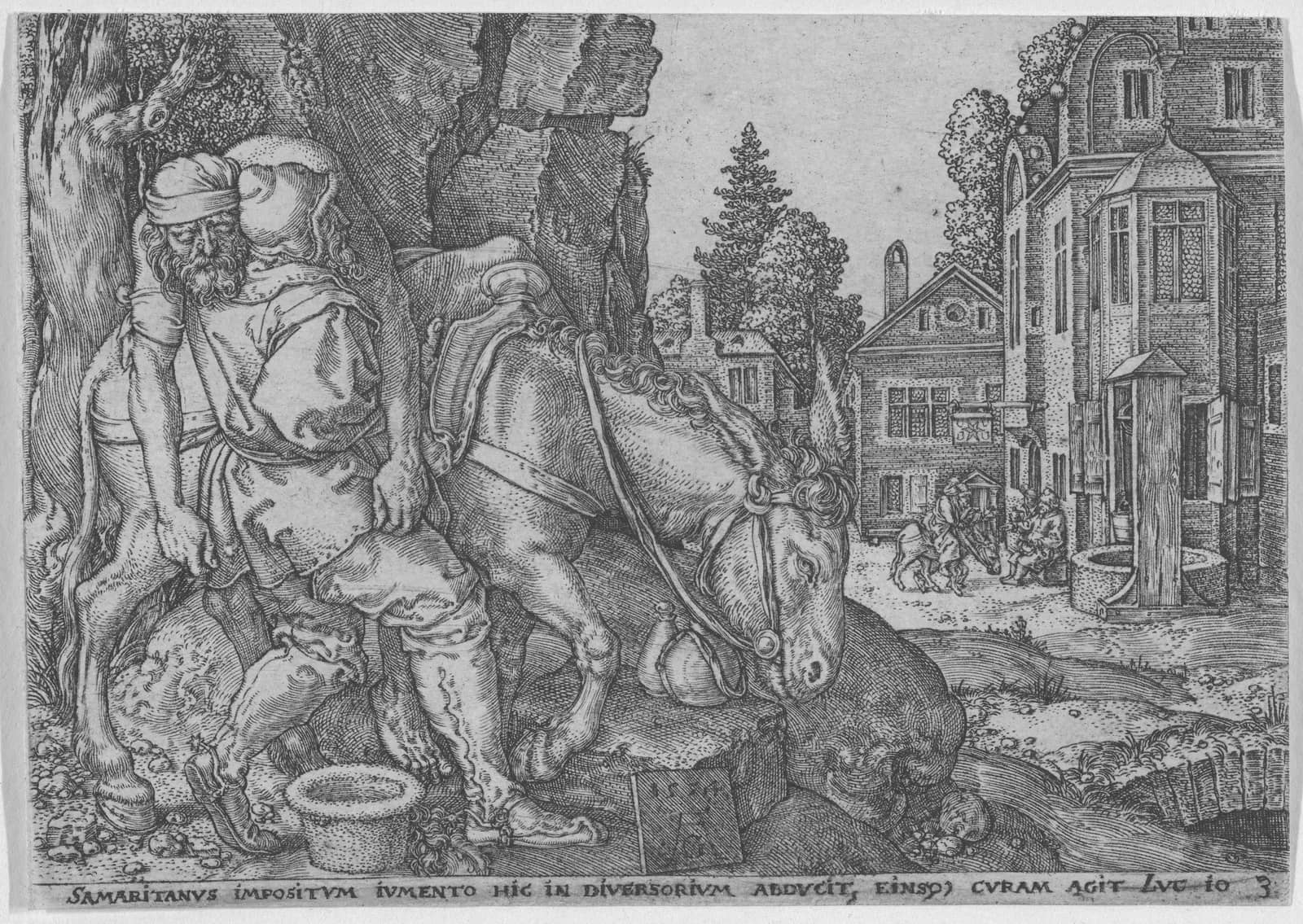
The Good Samaritan helping the wounded traveler onto his beast
Heinrich Aldegrever (1502–1561), The Good Samaritan Putting the Traveller on His Donkey, from "The Parable of the Good Samaritan", 1554. Credits

Email view of this day