This day

September 3, 2026

After Pentecost

September 3, 2026

Thursday after the Fourteenth Sunday after Pentecost

The Fourteenth Sunday after Pentecost

From Dom Guéranger’s The Liturgical Year.

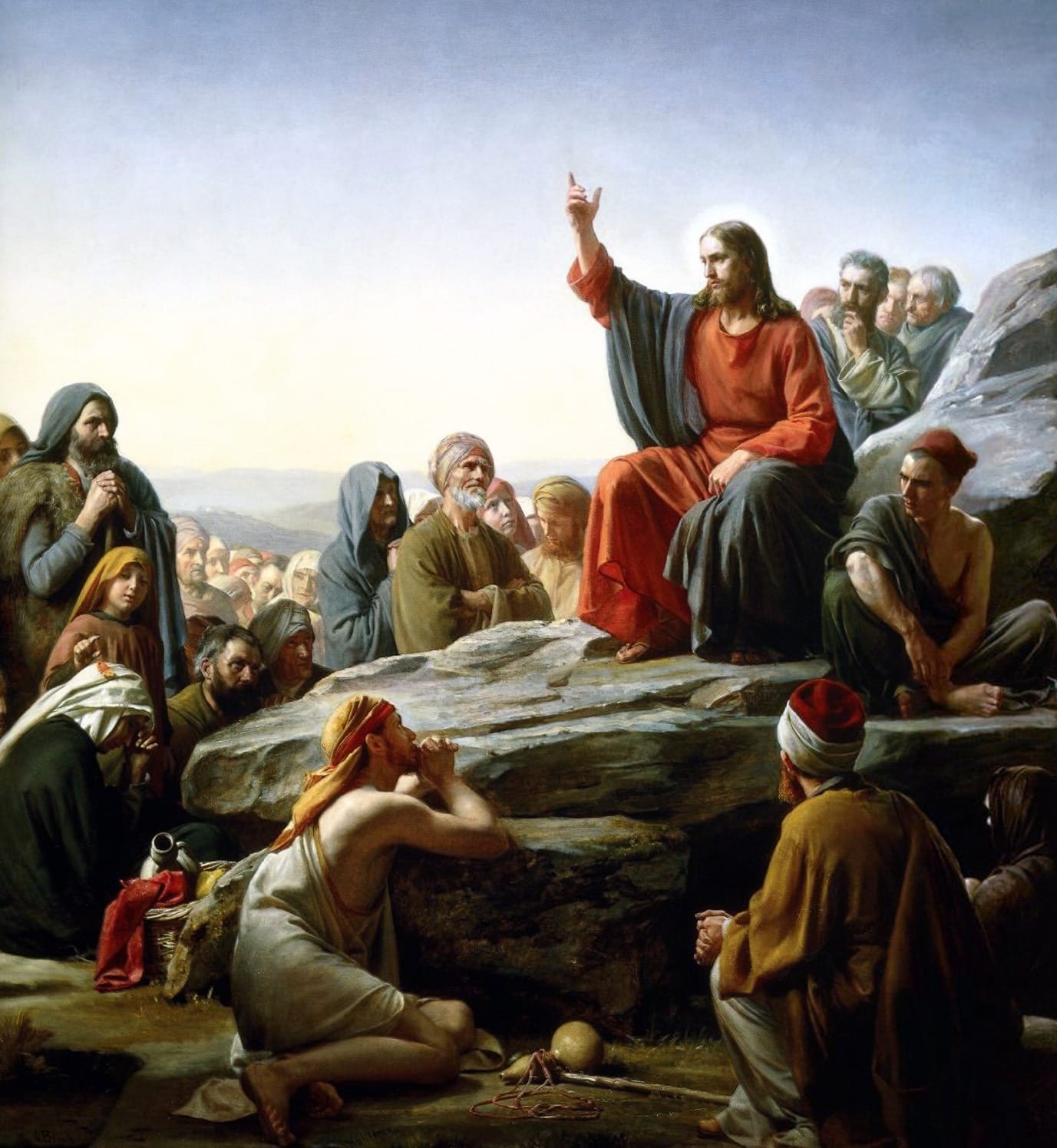
In the western Church this Sunday is called that of the two masters, because of the Gospel which is read upon it. The Greeks give it the name of the Sunday of the invited to the marriage-feast, or, the fourteenth of St. Matthew, unless the feast of the Exaltation of the holy Cross (September 14) happen to fall during the ensuing week. In this latter case this and the following Sunday are called ‘of the Exaltation,' and take for their Gospels the first from St. John, the second from St. Mark. After this, follow the Sundays called ‘of St. Luke,’which go on till Lent, in the manner already described for St. Matthew.

Behold, O God, our protector! and look on the face of thy Christ! Thus begins the Church, as she advances towards the altar, whereon the holy sacrifice is going to be offered up. The Church is the bride of the Man-God; she is, as the apostle says, His glory; but the Spouse, according to the same St. Paul, is both the image and the glory of God, and the head of His bride.

From the Sunday.
Chapter 6: On Holy Communion during the Time after Pentecost

From Dom Guéranger’s The Liturgical Year.

If, in the early stages of the liturgical year, in Advent, at Christmas, and during the periods of Septuagesima and Lent, when there was question of nothing beyond a preparation for the divine mysteries which wrought our salvation—if, in the name of holy Church, we then invited the faithful to have recourse to the sacrament of our Lord’s Body, as being the heavenly nourishment that would support them in the glorious career on which they had entered; now that the work is done, that they have risen again with their Redeemer, that they have followed Him, by their desires and their hopes, even to the very summit of heaven—now that the Holy Ghost has come down upon this earth, that He might complete within them the work of their union with God, surely, nothing could profit them more than that they nourish themselves, and even more frequently than before, with the Bread of life, which came from heaven, that He might give life to the world.

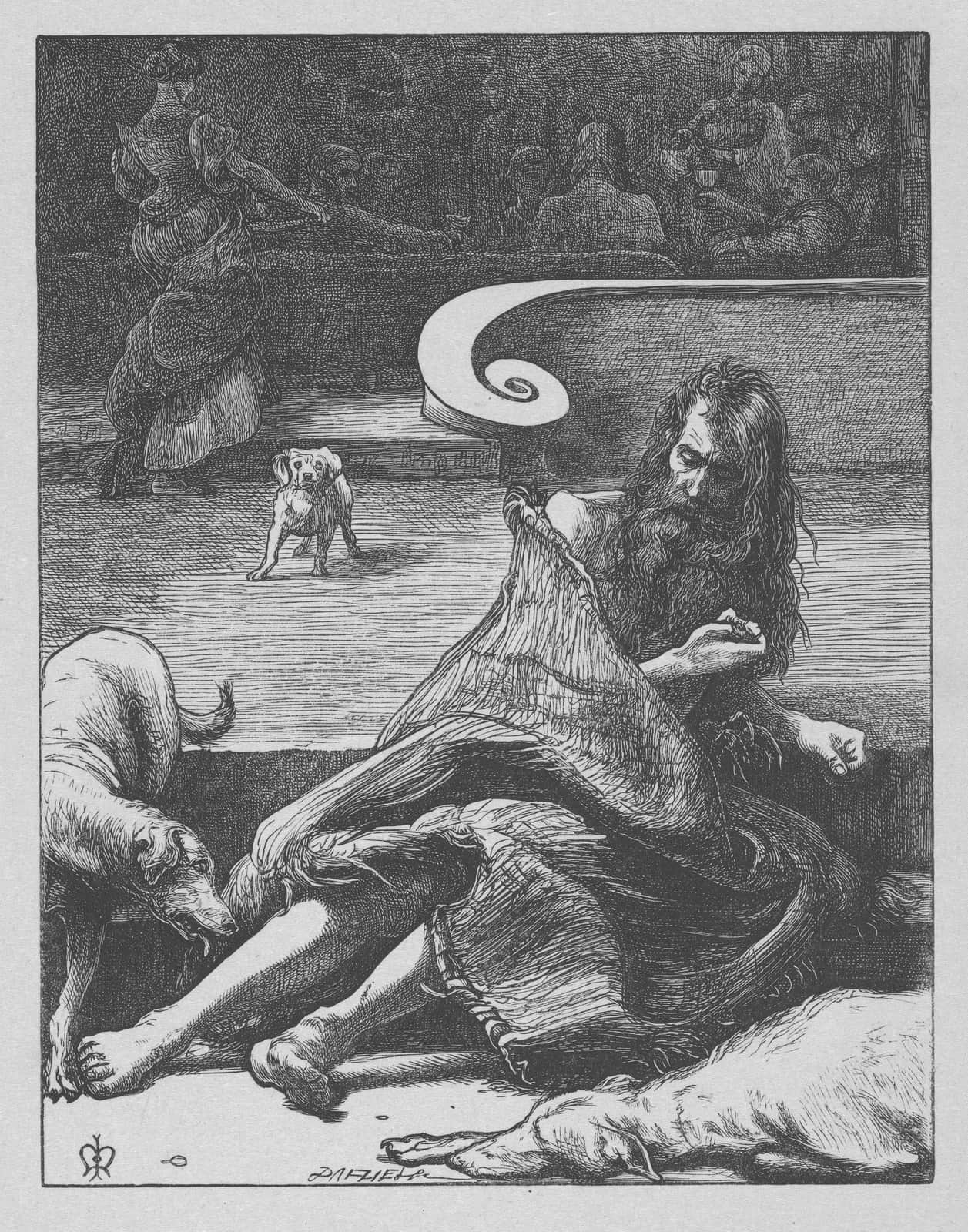
The rich man and Lazarus
Sir John Everett Millais (1829–1896), The Rich Man and Lazarus, from The Parables of Our Lord and Saviour Jesus Christ, 1864. Credits

1 History · 2 Mystery · 3 Practice · 4 Morning and Night Prayers · 5 Hearing Mass · 6 Holy Communion · 7 Vespers · 8 Compline

Coming next September 5, 2026, September 5: St. Laurence Justinian, Bishop and Confessor