This day

September 24, 2026

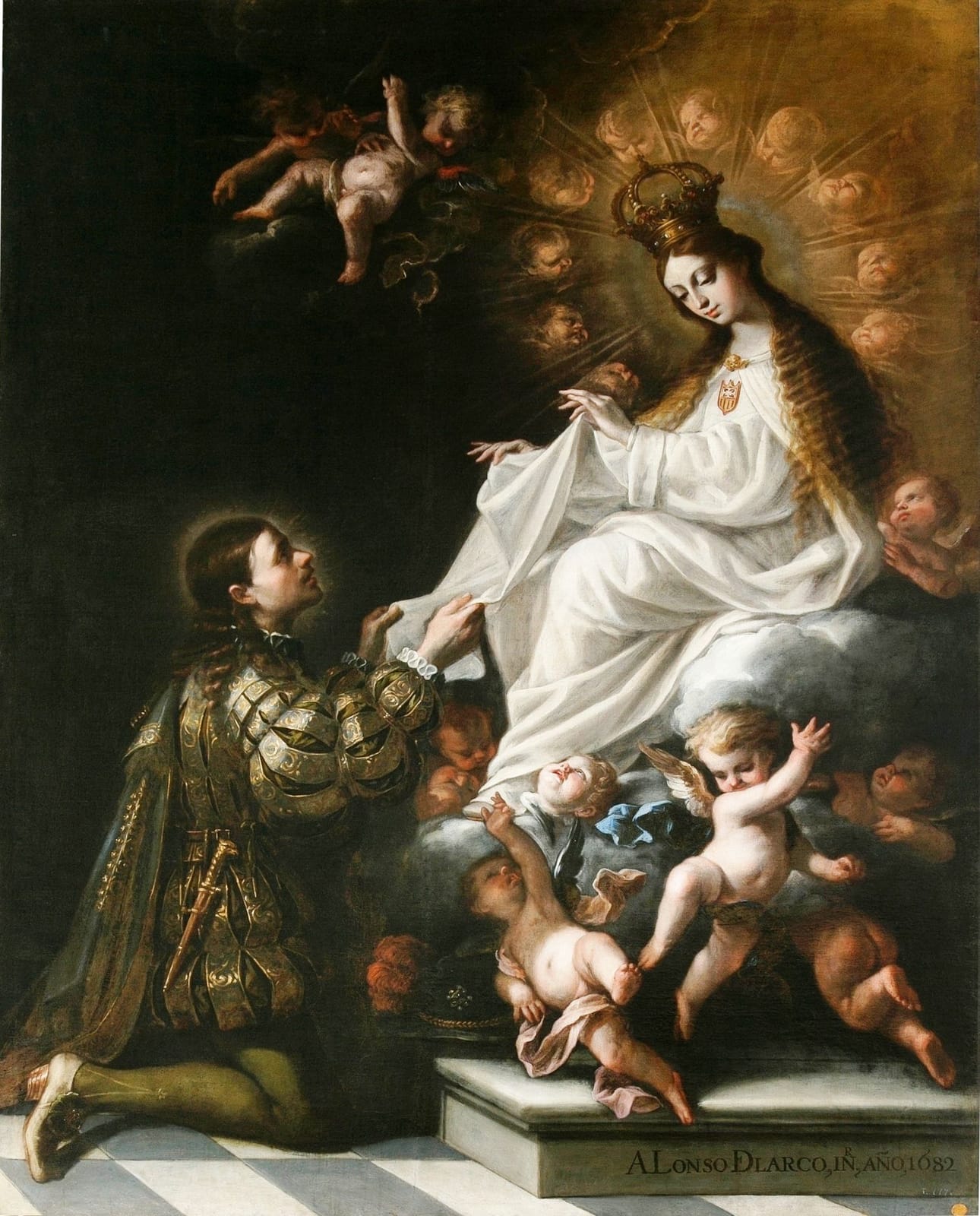
Apparition of the Virgin of Mercy to Saint Peter Nolasco
Apparition of the Virgin of Mercy to Saint Peter Nolasco, Alonso del Arco (1635–1704), 1682. Credits

After Pentecost

September 24, 2026

September 24: Our Lady of Ransom

From Dom Guéranger’s The Liturgical Year.

The Office of the time gives us, at the close of September, the Books of Judith and Esther. These heroic women were figures of Mary, whose birthday is the honour of this month, and who comes at once to bring assistance to the world.

‘Adonai, Lord God, great and admirable, who hast wrought salvation by the hand of a woman:’ the Church thus introduces the history of the heroine, who delivered Bethulia by the sword, whereas Mardoohai’s niece rescued her people from death by her winsomeness and her intercession. The Queen of heaven, in her peerless perfection, outshines them both, in gentleness, in valour, and in beauty. Today’s feast is a memorial of the strength she puts forth for the deliverance of her people.

Finding their power crushed in Spain, and in the east checked by the Latin kingdom of Jerusalem, the Saracens, in the twelfth century, became wholesale pirates, and scoured the seas to obtain slaves for the African markets. We shudder to think of the numberless victims, of every age, sex, and condition, suddenly carried off from the coasts of Christian lands, or captured on the high seas, and condemned to the disgrace of the harem or the miseries of the bagnio.

This week's Sunday: The Seventeenth Sunday after Pentecost

From Dom Guéranger’s The Liturgical Year.

The Gospel, which is now assigned to the Mass of the seventeenth Sunday, has given it the name of the Sunday of the love of God, dating, that is, from the time when the Gospel of the cure of the dropsy and of the invitation to the wedding-feast was anticipated by eight days. Previously even to that change, and from the very first, there used to be read, on this seventeenth Sunday, another passage from the new Testament, which is no longer found in this series of Sundays: it was the Gospel which mentions the difficulty regarding the resurrection of the dead, which the Sadducees proposed to our Lord.

The judgments of God are always just, whether it be, in His justice, humbling the proud, or, in His mercy, exalting the humble. This day last week we saw this sovereign disposer of all things, allotting to each his place at the divine banquet. Let us recall to mind the behaviour of the guests, and the respective treatment shown to the humble and the proud. Adoring these judgments of our Lord, let us sing our Introit; and, as far as regards ourselves, let us throw ourselves entirely upon His mercy.

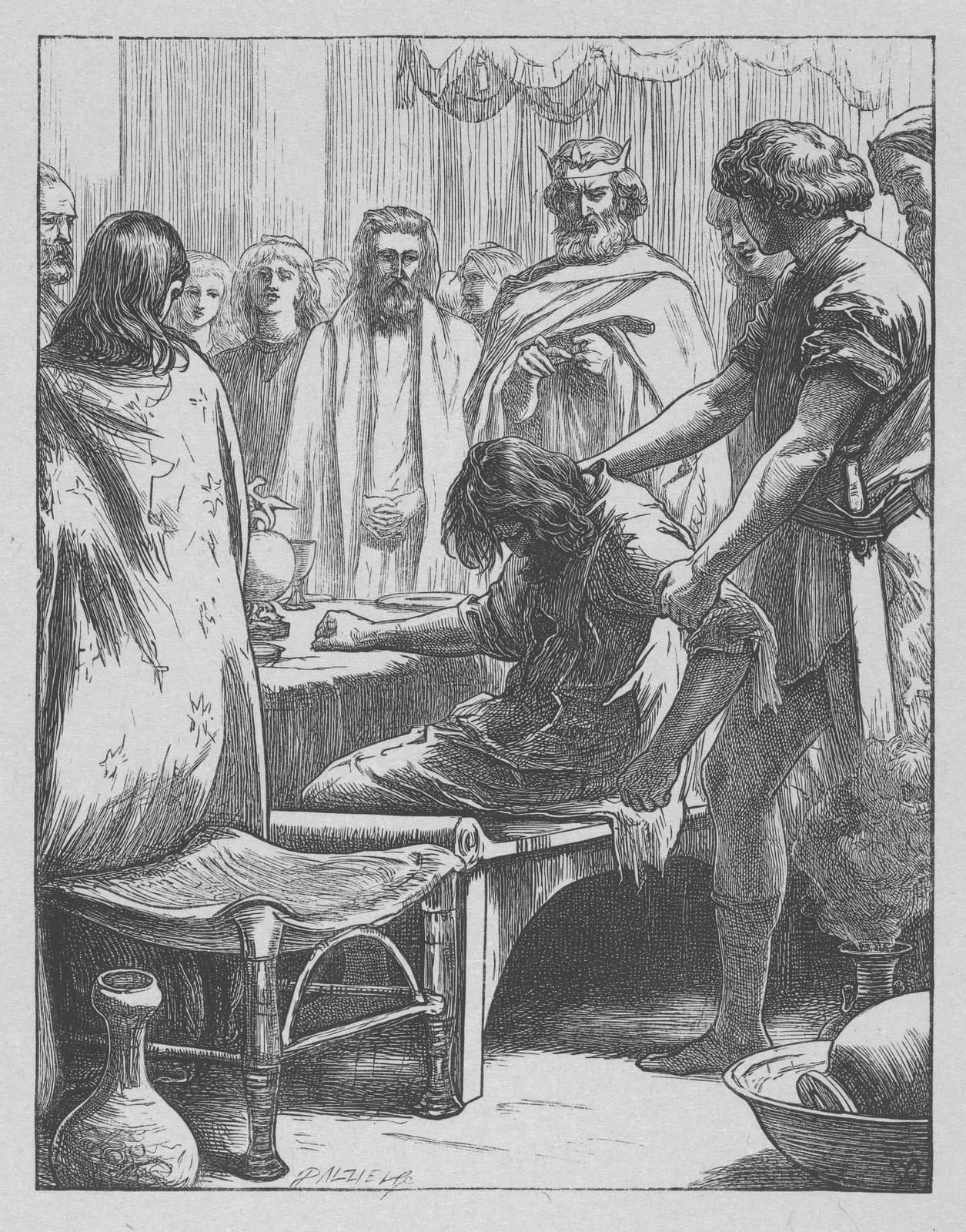
The marriage feast: the guest without a wedding garment
Sir John Everett Millais (1829–1896), The Marriage Feast, from The Parables of Our Lord and Saviour Jesus Christ, 1864. Credits

Email view of this day