This day

September 25, 2026

After Pentecost

September 25, 2026

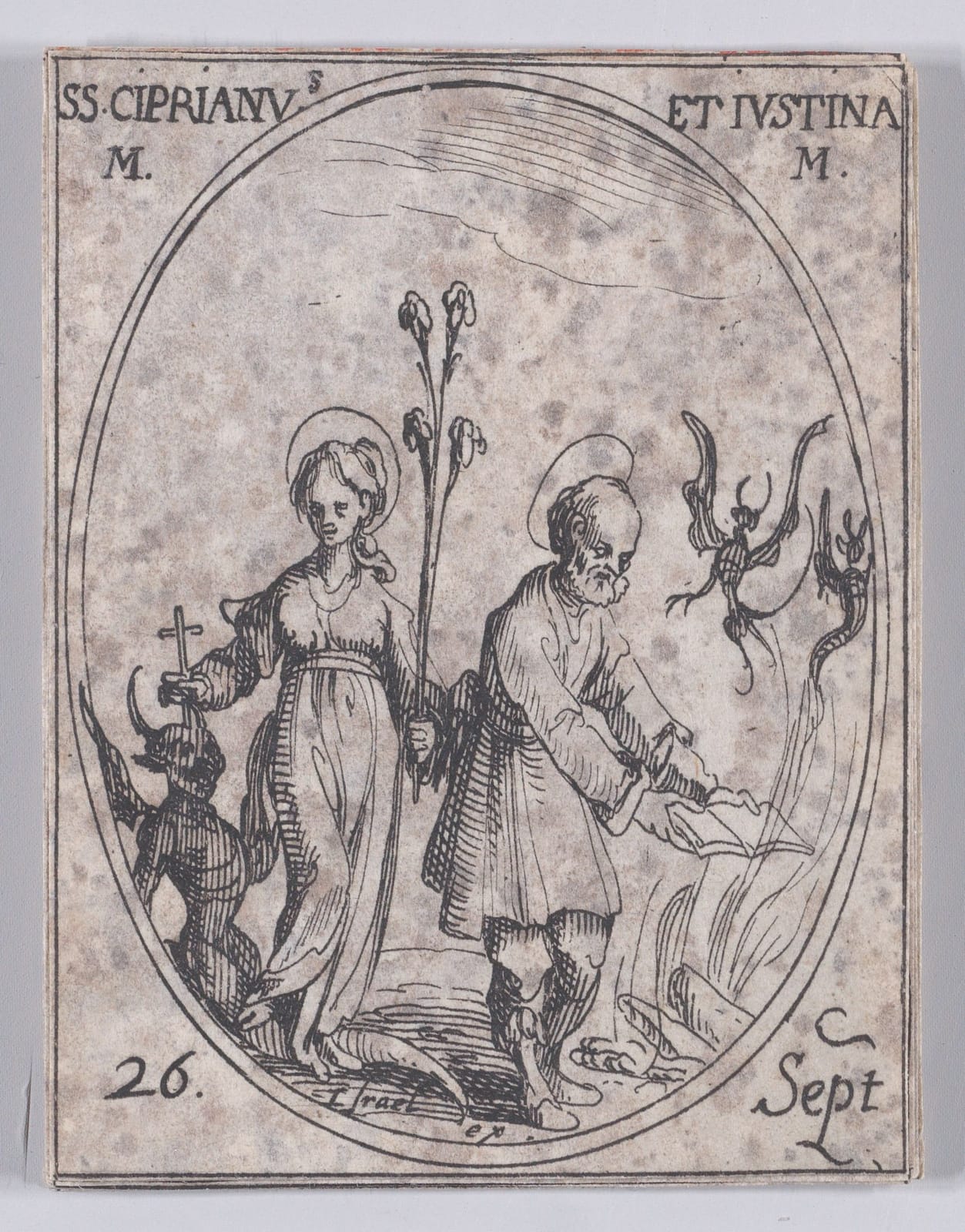
September 25: St. Cyprian, Martyr, and St. Justina, Virgin and Martyr

From Dom Guéranger’s The Liturgical Year.

‘Whosoever ye be, that are seduced by the mysteries of the demons, none of you can equal the zeal I once had for these false gods, nor my researches into their secrets, nor the vain power they had communicated to me, to me Cyprian, who from my infancy was given up to the service of the dragon in the citadel of Minerva. Learn from me the deceitfulness of their illusions. A virgin has proved to me that their power is but smoke. The king of the demons was arrested at the door of a mere child, and could not cross the threshold. He who promises so much is a liar. A woman makes sport of the boaster who vaunted he could shake heaven and earth. The roaring lion becomes a startled gnat before the Christian virgin Justina.’

Cyprianus primum magus, postea martyr, cum Justinam, christianam virginem, quam juvenis quidam ardenter amabat, cantionibua ac veneficiis ad ejus libidinis assensum allicere conaretur, dæmonem consuluit, quanam id re consequi posset. Cui dæmon respondit, nullam illi artem processuram adversus eos qui vere Christum colerent. Quo responso com motus Cyprianus, vehementer dolere cœpit vitæ superioris institutum.

This week's Sunday: The Seventeenth Sunday after Pentecost

From Dom Guéranger’s The Liturgical Year.

The Gospel, which is now assigned to the Mass of the seventeenth Sunday, has given it the name of the Sunday of the love of God, dating, that is, from the time when the Gospel of the cure of the dropsy and of the invitation to the wedding-feast was anticipated by eight days. Previously even to that change, and from the very first, there used to be read, on this seventeenth Sunday, another passage from the new Testament, which is no longer found in this series of Sundays: it was the Gospel which mentions the difficulty regarding the resurrection of the dead, which the Sadducees proposed to our Lord.

The judgments of God are always just, whether it be, in His justice, humbling the proud, or, in His mercy, exalting the humble. This day last week we saw this sovereign disposer of all things, allotting to each his place at the divine banquet. Let us recall to mind the behaviour of the guests, and the respective treatment shown to the humble and the proud.

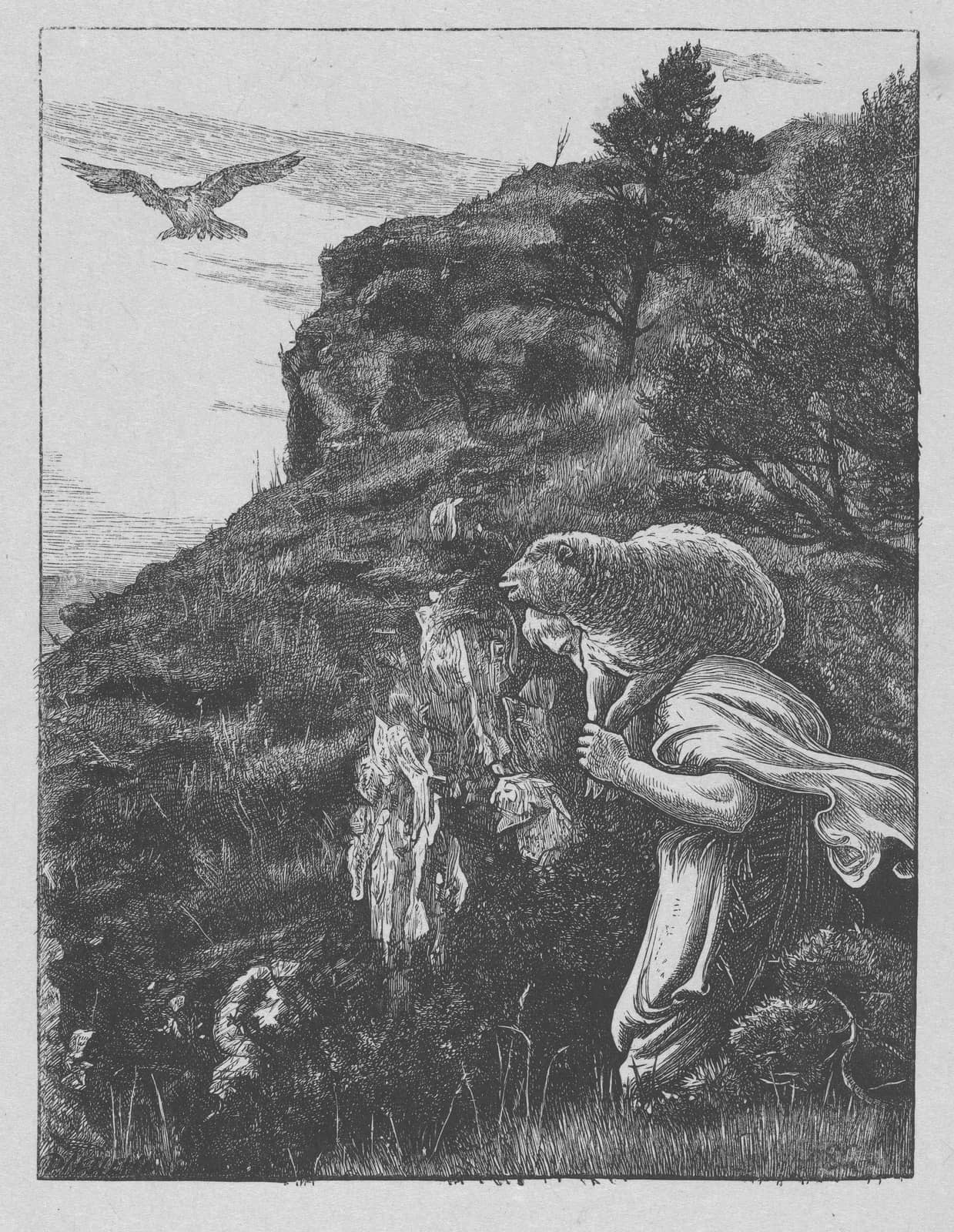
A shepherd carries the lost sheep
Sir John Everett Millais (1829–1896), The Lost Sheep, from The Parables of Our Lord and Saviour Jesus Christ, 1864. Credits

Email view of this day