After Pentecost
October 13, 2026
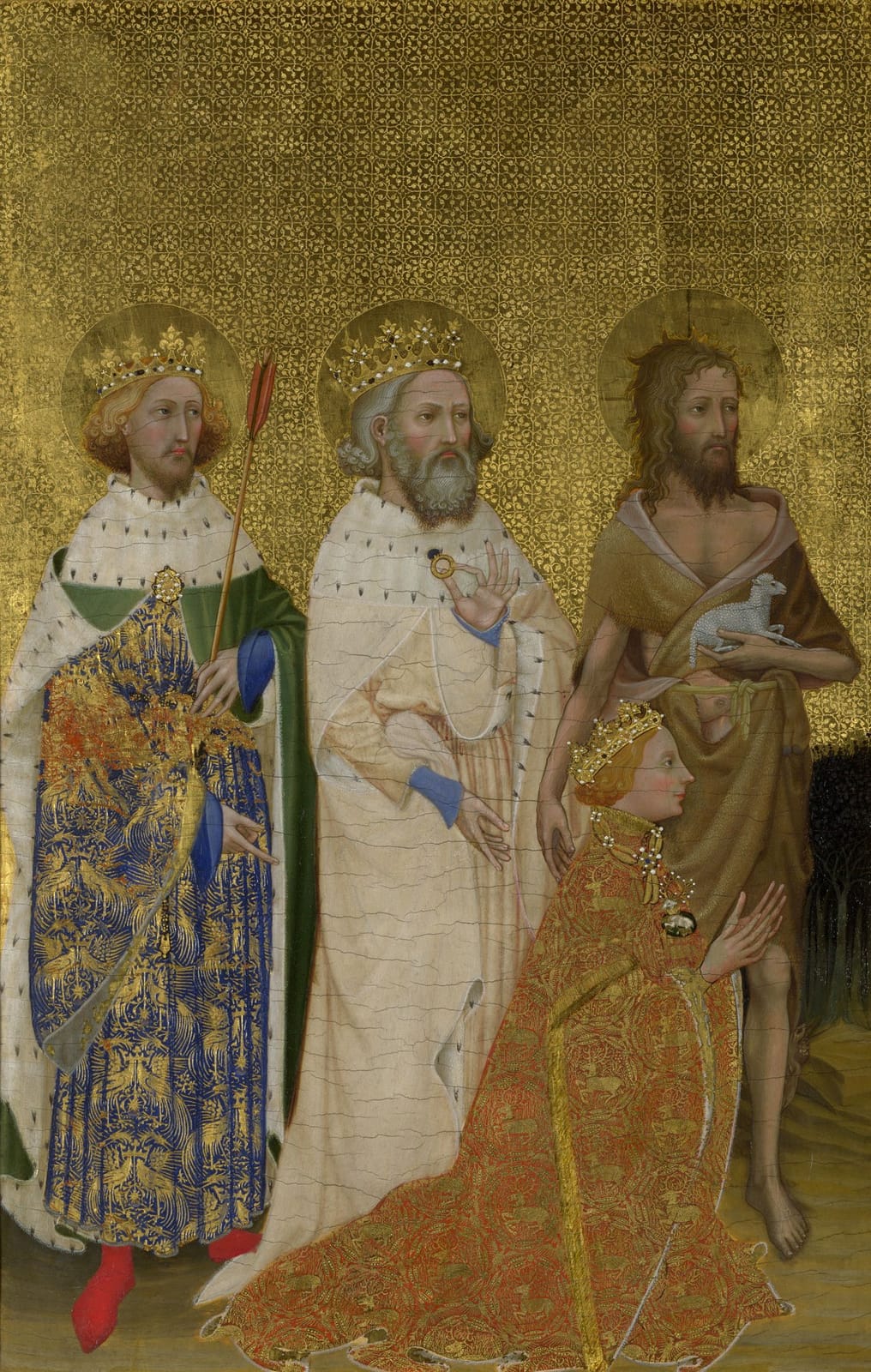
October 13: St. Edward the Confessor, King of England
From Dom Guéranger’s The Liturgical Year.
This glorious saint was like a beautiful lily, crowning the ancient branch of the kings of Wessex. The times had progressed since that sixth century, when the pagan Cerdic and other pirate chiefs from the North Sea scattered with ruins the island of saints. Having accomplished their mission of wrath, the Anglo-Saxons became instruments of grace to the land they had conquered. Evangelized by Rome, even as the Britons they had just chastised, they remembered, better than the latter, whence their salvation had come; a spring-tide blossoming of sanctity showed the pleasure God took once more in Albion, for the constant fidelity of the princes and people of the heptarchy towards the See of Peter. In the year of our Lord 800, Egbert, a descendant of Cerdic, had gone on pilgrimage to Rome, when a deputation from the West Saxons offered him the crown, beside the tomb of the Prince of the apostles, at whose feet Charlemagne, at that very time, was restoring the empire. As Egbert united under one sceptre the power of the seven kingdoms, so Saint Edward, his last descendant, represents to-day in his own person the glorious holiness of them all.