This day

November 4, 2026

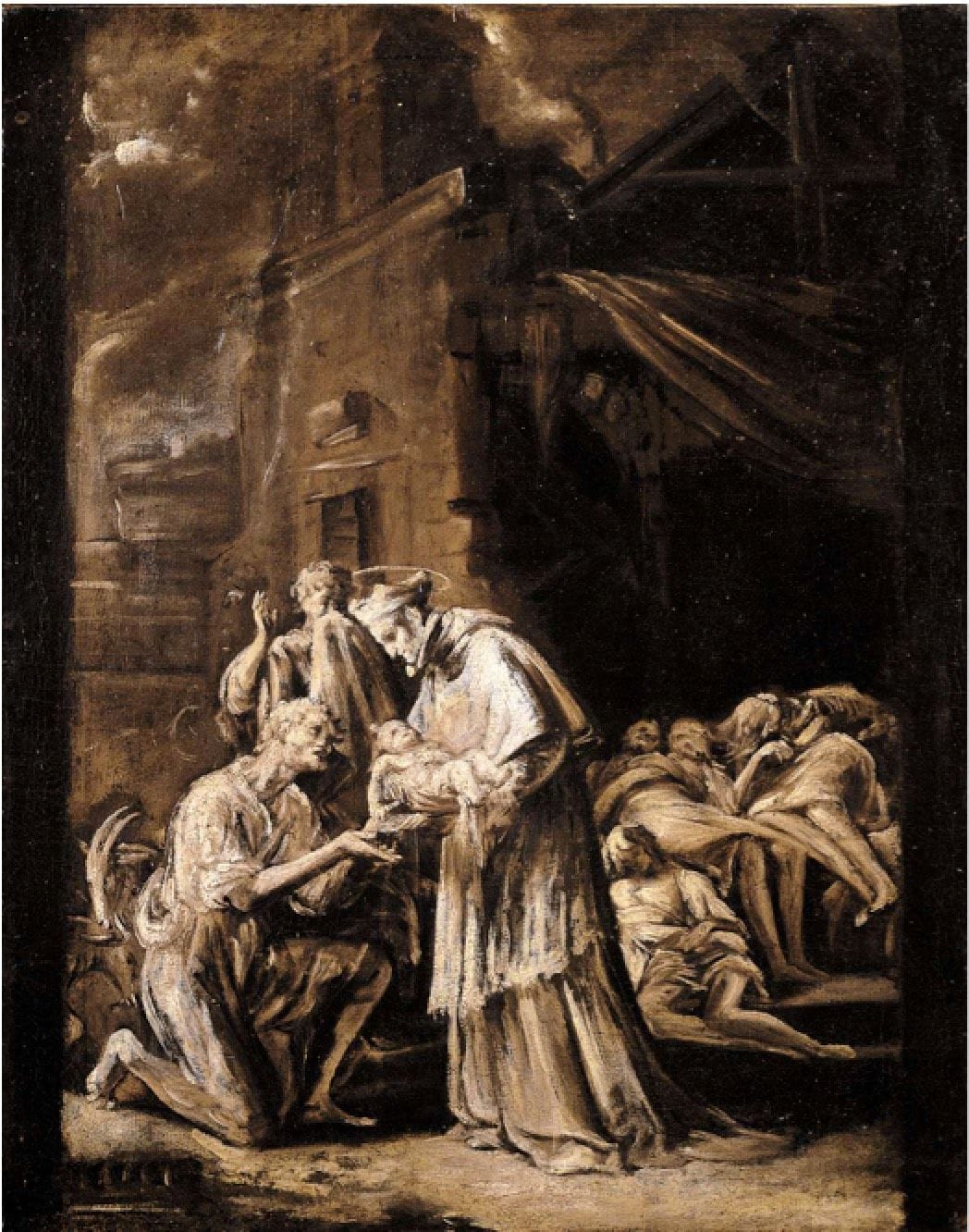
St. Charles Borromeo
Saint Charles Borromeo Visiting the Plague Victims, Orazio Borgianni (1574–1616), before 1616. Credits

After Pentecost

November 4, 2026

A Double leads; Sts. Vitalis and Agricola are commemorated.Rubric

November 4: St. Charles, Bishop and Confessor

From Dom Guéranger’s The Liturgical Year.

HUMILITAS. This word already stood, crowned with gold, upon his family escutcheon, when Charles was born at the castle of Arona. It had been said of the Borromeos that they knew nothing of humility, except to bear it on their coat of arms: but the time had now come, when the mysterious device was to be justified by the most illustrious scion of that noble family; and when, at the zenith of his greatness, a Borromeo would learn to void his heart of self, in order that God might fill it. Far, however, from abjuring the high-mindedness of his race, the humble Saint was the most intrepid of them all, while his enterprises were to eclipse the noble exploits of a long line of ancestors. One more proof that humility never debases.

Charles was scarcely twenty-two years of age, when Pius IV, his maternal uncle, called him to the difficult post of Secretary of State, shortly afterwards created him Cardinal and Archbishop of Milan, and seemed to take pleasure in heaping honours and responsibilities on his young shoulders. The late Pontiff, Paul IV., had been ill requited for placing asimilar confidence in his nephews the Caraffas, who ended their days upon the scaffold.
Chapter 4: Morning and Night Prayers for the Time after Pentecost

From Dom Guéranger’s The Liturgical Year.

During this second part of the year, the Christian, on waking in the morning, will unite himself with holy Church, who, every day in her Office of Lauds, hails the return of light, making use of these words of the royal prophet: Deus, Deus meus, ad te de luce vigilo.

He will profoundly adore the divine Majesty; and, thanking his sovereign Lord, who has protected him while involved in the darkness of night, he will proffer Him his service for the whole day which is now commencing; he will wish to spend it in love and obedience, as behoves one whom Christ has united to Himself by His mysteries, and whom the Holy Ghost is willing to guide and govern. The time for morning prayer being come, he may give expression to the sentiments which should then animate his soul, by using these formulas of the Church: First, praise and adoration of the most holy Trinity:
℣. Benedicamus Patrem et Filium cum Sancto Spiritu.
℟. Laudemus et superexaltemus eum in sæcula.

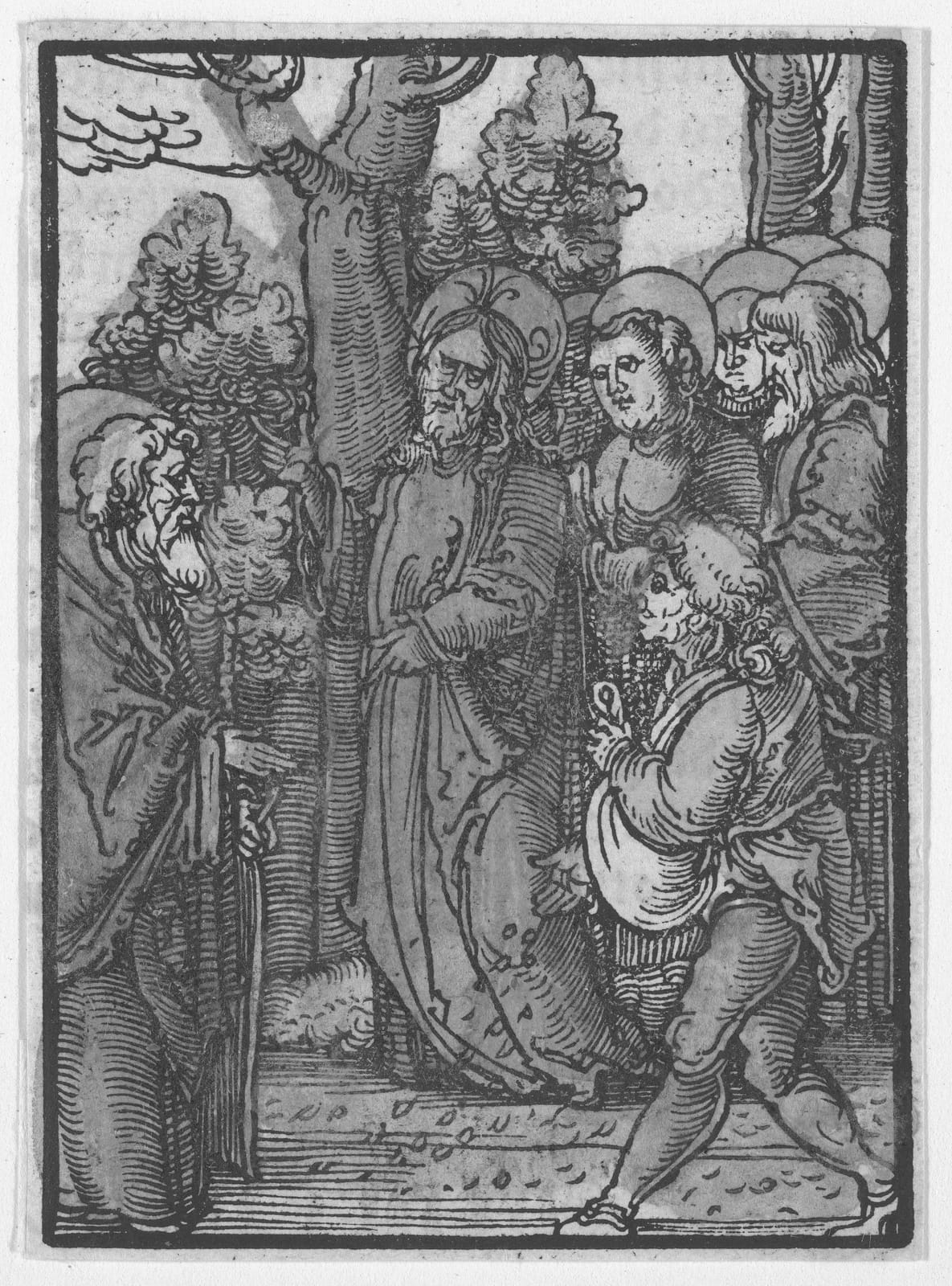
The parable of the wheat and the weeds
Hans Schäufelein (1480–1540), The Parable of the Sower and the Weeds, from Das Plenarium, 1517. Credits

Email view of this day