This day

November 7, 2026

After Pentecost

November 7, 2026

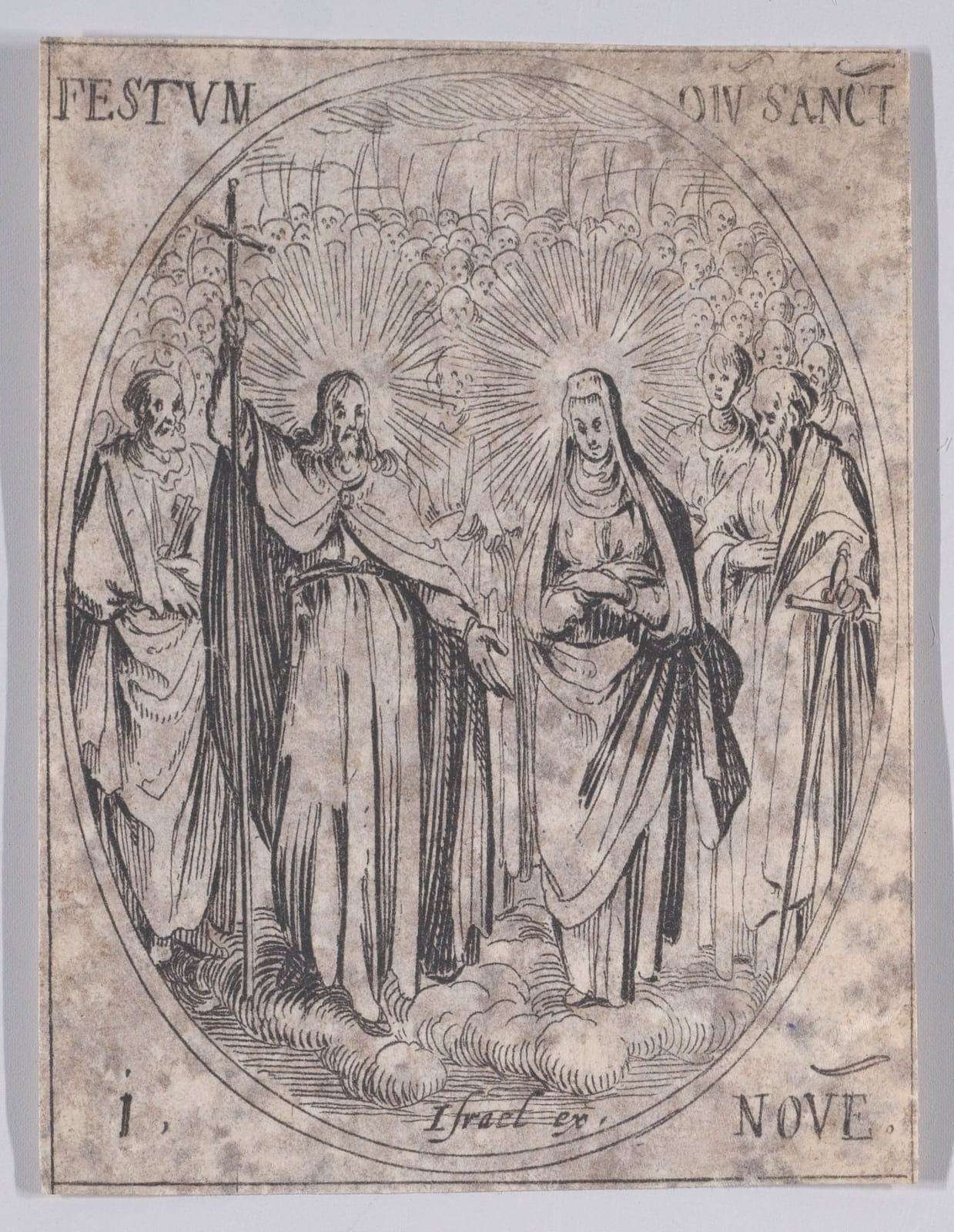
November 7: Seventh Day within the Octave of All Saints

From Dom Guéranger’s The Liturgical Year.

“A great mystery” says St. John Chrysostom, “is accomplished in our dead. A mystery of praise and of joy, when, summoned by the King of kings, the soul goes to meet her Lord, accompanied by Angels sent from heaven for the purpose! And thou-dost thou lament? When the bridegroom, to whom thou hast given thy daughter, carries her to a far country, thou dolt not complain, provided he makes her happy; although her absence is a grief to thee, the sadness is tempered. And now, because it is not a man, a fellow-slave, but the Lord himself that claims one of thy family, is thy grief to be without measure? I do not forbid thee to shed a tear; weep, but be not disconsolate even as others who have no hope. And be ready also to return thanks, as is meet; honouring thereby thy dead, as well as glorifying God, and thus giving them magnificent obsequies.”

With such sentiments were our fathers inspired, in those farewells of the primitive liturgy, which contrasted so strangely with the sad of pagans, and which made the funeral train resemble a pomp bridal procession.

This week's Sunday: The Twenty-Third Sunday after Pentecost

From Dom Guéranger’s The Liturgical Year.

When the number of the Sundays after Pentecost is only twenty-three, the Mass for to-day is taken from the twenty-fourth and last Sunday; and the Mass appointed for the twenty-third is said on the previous Saturday, or on the nearest day of the preceding week which is not impeded by a double or semi-double feast.

But, under all circumstances, the antiphonary ends to-day. The Introits, Graduals, Communions, and Postcommunions, which are given below, are to be repeated on each of the Sundays till Advent, which vary in number each year. Our readers will remember that, in the time of St. Gregory, Advent was longer than we now have it; and that, in those days, its weeks commenced in that part of the cycle which is now occupied by the last Sundays after Pentecost. This is one of the reasons for the lack of liturgical riches in the composition of the dominical Masses which follow the twenty-third.

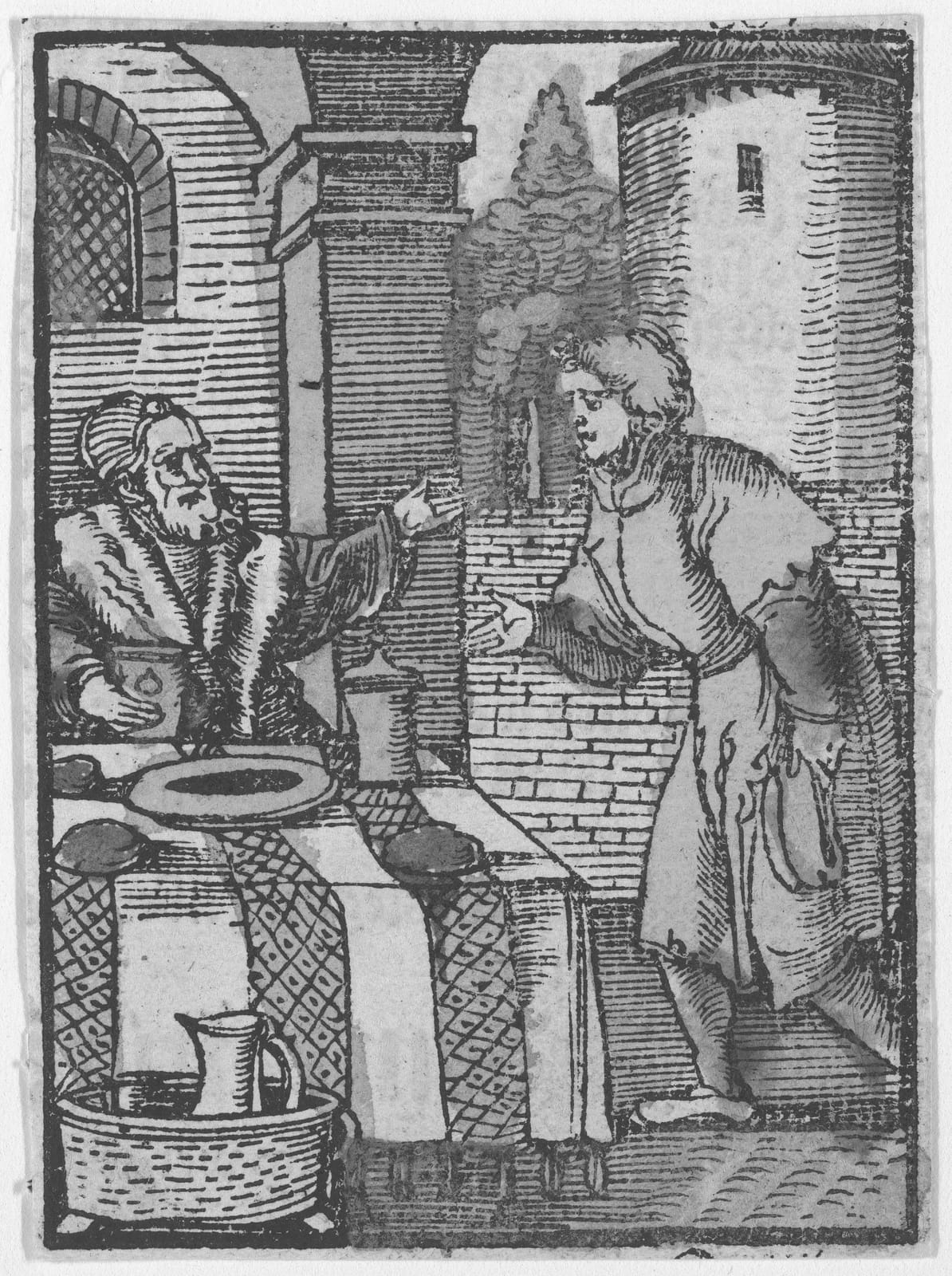
The parable of the banquet whose invited guests stayed away
Hans Schäufelein (1480–1540), The Parable of the Banquet without Guests, from Das Plenarium, 1517. Credits

Email view of this day