This day

November 6, 2026

After Pentecost

November 6, 2026

November 6: Sixth Day within the Octave of All Saints

From Dom Guéranger’s The Liturgical Year.

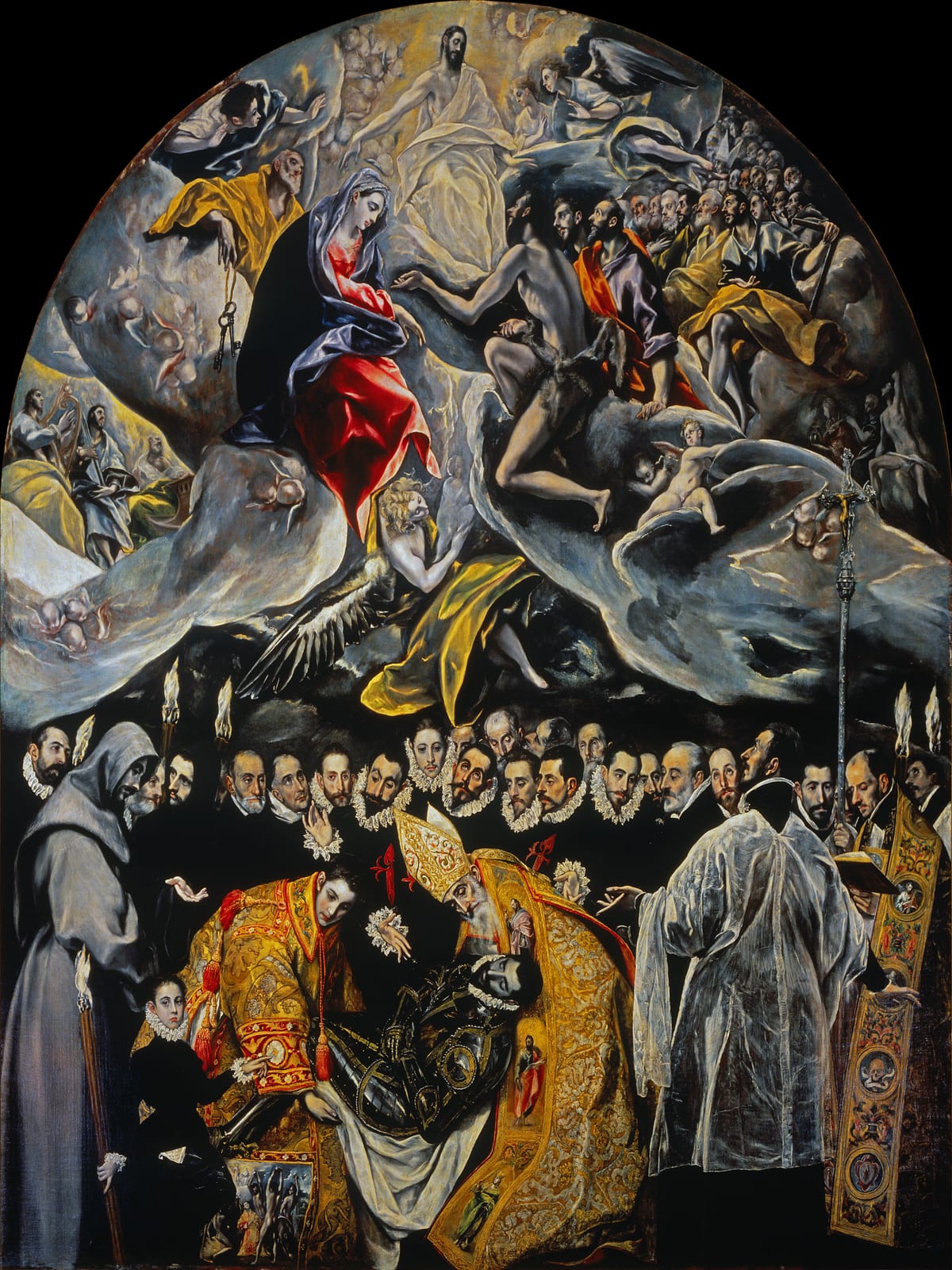
Thou art my portion, O Lord, Alleluia, in the land of the living, Alleluia, Alleluia. — Bring forth my soul out of prison, to confess to thy Name; in the land of the living, Alleluia, Alleluia. — Glory and honour be to the Father, and to the Son, and to the Holy Ghost, world without end, Amen: in the land of the living, Alleluia, Alleluia.

Such is the opening chant for the departed, in the Mozarabic Missal. With the Greeks, in like manner, no word is of more frequent recurrence in the Office of the Dead, than the Alleluia. Moreover, both Greece and Spain are but observing what was once a general practice throughout the Church.

St. Jerome tells us how, at the death of Fabiola, all the Roman people assembled, the chant of psalms echoed on all sides, and the sublime Alleluia filled the temples till it shook their gilded roofs. Two centuries later, the story of St. Radegonde's funeral, written by her daughter Baudonivia, proves that, if submissive tears were not forbidden to the survivors and might at times even flow abundantly, the custom in Gaul was, nevertheless, the same as that of Rome.

This week's Sunday: The Twenty-Third Sunday after Pentecost

From Dom Guéranger’s The Liturgical Year.

When the number of the Sundays after Pentecost is only twenty-three, the Mass for to-day is taken from the twenty-fourth and last Sunday; and the Mass appointed for the twenty-third is said on the previous Saturday, or on the nearest day of the preceding week which is not impeded by a double or semi-double feast.

But, under all circumstances, the antiphonary ends to-day. The Introits, Graduals, Communions, and Postcommunions, which are given below, are to be repeated on each of the Sundays till Advent, which vary in number each year. Our readers will remember that, in the time of St. Gregory, Advent was longer than we now have it; and that, in those days, its weeks commenced in that part of the cycle which is now occupied by the last Sundays after Pentecost. This is one of the reasons for the lack of liturgical riches in the composition of the dominical Masses which follow the twenty-third.

Even on this one, the Church, without losing sight of the last day, used to lend a thought to the new season which was fast approaching, the season, that is, of preparation for the great feast of Christmas.

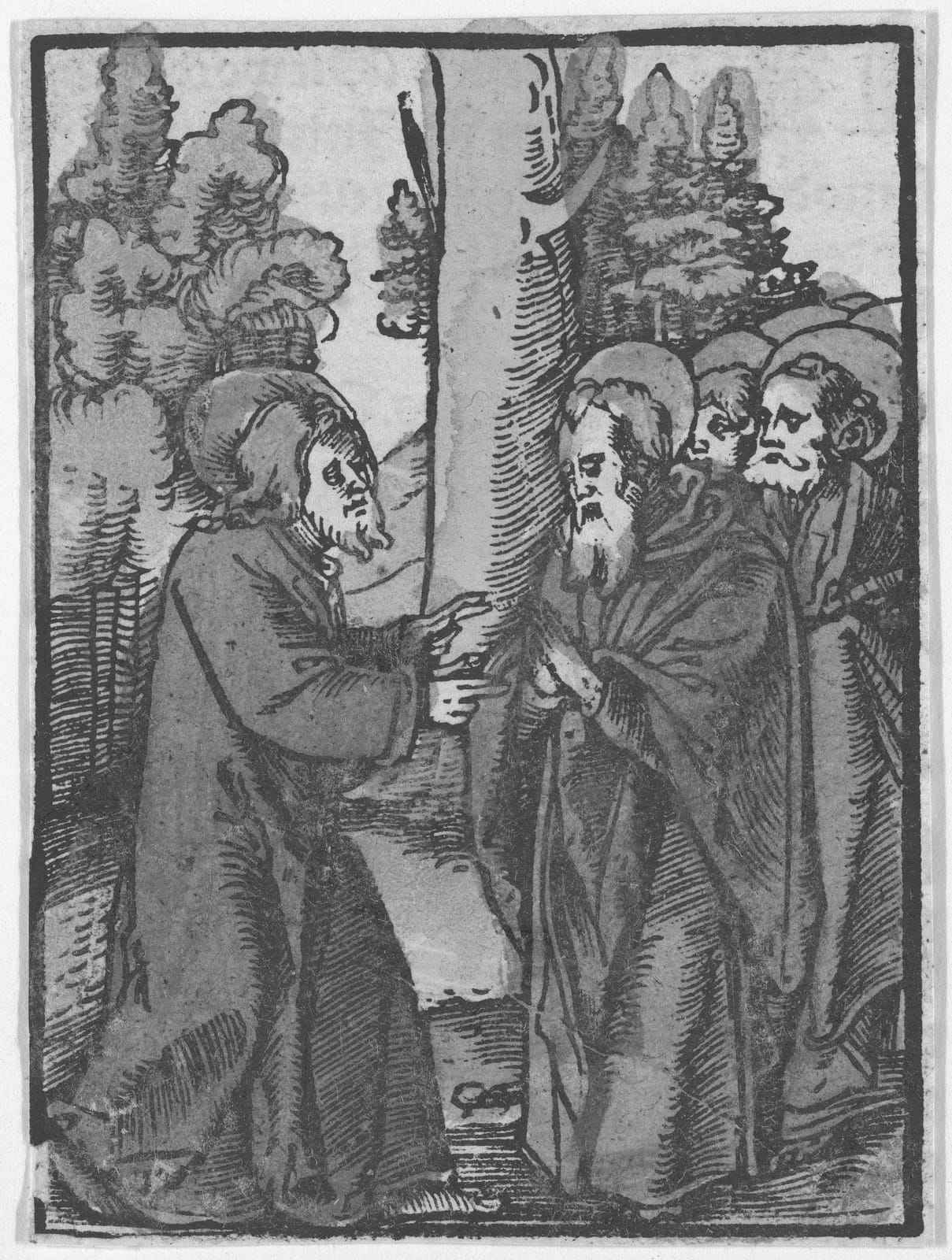
Christ teaching the disciples
Hans Schäufelein (1480–1540), Christ Teaching the Disciples, from Das Plenarium, 1517. Credits

Email view of this day