This day

November 10, 2026

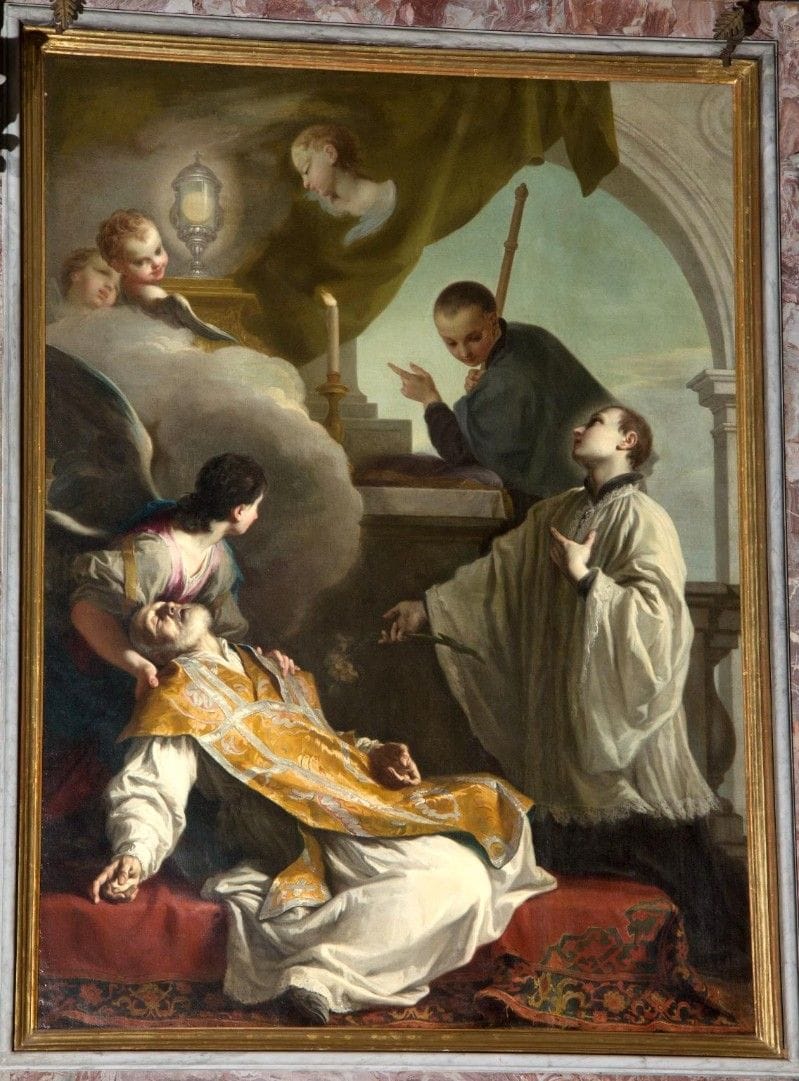
Death of St Andrew Avellino with Saints
Death of St Andrew Avellino with Saints, Giambettino Cignaroli (1706–1770), 1745. Credits

After Pentecost

November 10, 2026

A Double leads; Sts. Tryphon, Respicius, and Nympha are commemorated.Rubric

November 10: St. Andrew Avellino, Confessor

From Dom Guéranger’s The Liturgical Year.

IN the sixteenth century, in reply to the reproach of exhaustion hurled against the Church, the Holy Ghost raised from her soil an abundant harvest of sanctity. Andrew was one of his most worthy cooperators in the work of holy reformation and supernatural renaissance, which then took place. Eternal Wisdom had as usual suffered Satan to go before, for his own greater shame, cloaking his evil works under the grand names of renaissance and reform.

It was nine years since St. Cajetan had departed this world, leaving it strengthened by his labours and all embalmed with the fragrance of his virtues; the former Bishop of Theate, his companion and col­laborator in founding the first Regular Clerks, was now governing the Church under the name of Paul IV.; when in 1556 God bestowed upon the Theatines, in the person of our Saint, an heir to the supernatural gifts, the heroic sanctity, and the zeal for the sanctuary, that had characterized their father. Andrew was the friend and support of the great Bishop of Milan, St. Charles Borromeo, whose glory in heaven he went to share on this day.
Chapter 2: The Mystery of the Time after Pentecost

From Dom Guéranger’s The Liturgical Year.

That we may thoroughly understand the meaning and influence of the season of the liturgical year upon which we have now entered, it is requisite for us to grasp the entire sequel of mysteries, which holy Church has celebrated in our presence and company; we have witnessed her services, and we have shared in them. The celebration of those mysteries was not an empty pageant, acted for the sake of being looked at. Each one of them brought with it a special grace, which produced in our souls the reality signified by the rites of the liturgy. At Christmas Christ was born within us; at Passiontide He passed on and into us His sufferings and atonements; at Easter He communicated to us His glorious, His untrammelled life; in His Ascension He drew us after Him, and this even to heaven’s summit; in a word, as the apostle expresses all this working, ‘Christ was formed in us.’

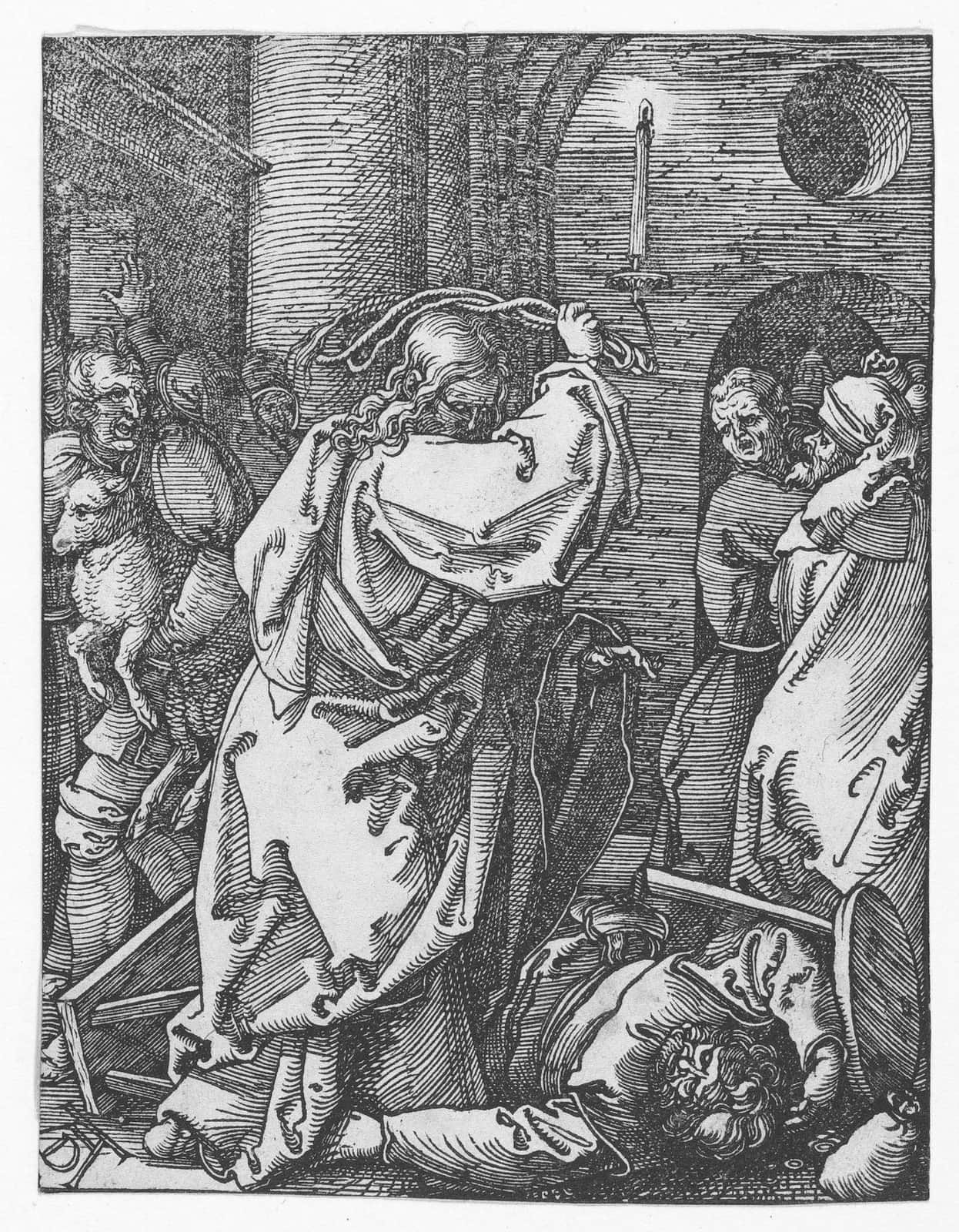
Christ driving the money-changers from the Temple
Albrecht Dürer (1471–1528), Christ Expelling the Money Lenders, from The Small Passion, ca. 1508. Credits

Email view of this day