After Pentecost
November 11, 2026
A Double leads; St. Mennas is commemorated.Rubric
November 11: St. Martin, Bishop and Confessor
From Dom Guéranger’s The Liturgical Year.
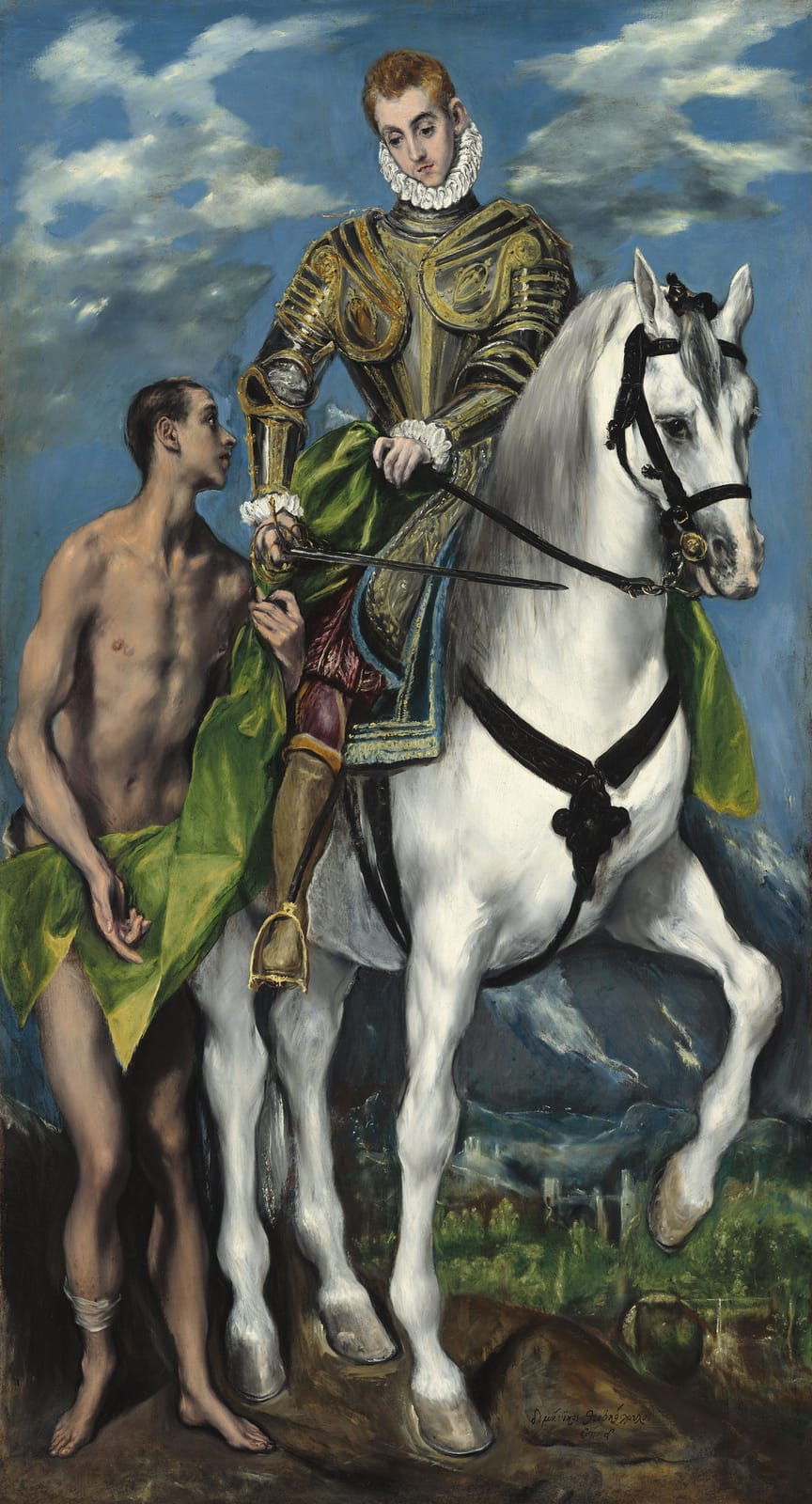
THREE thousand six hundred and sixty churches dedicated to St. Martin in France alone, and well-nigh as many in the rest of the world, bear witness to the immense popularity of the great thaumaturgus. In the country, on the mountains, and in the depth of forests, trees, rocks, and fountains, objects of superstitious worship to our pagan ancestors, received, and in many places still retain, the name of him who snatched them from the dominion of the powers of darkness to restore them to the true God. For the vanquished idols, Roman, Celtic or German, Christ substituted their conqueror, the humble soldier, in the grateful memory of the people. Martin's mission was to complete the destruction of paganism, which had been driven from the towns by the martyrs, but remained up to his time master of the vast territories removed from the influence of the cities.
While on the one hand he was honoured with God's favours, on the other he was pursued by hell with implacable hatred. At the very outset he had to encounter Satan, who said to him: “I will beset thy path at every turn; and he kept his word.