This day

November 22, 2026

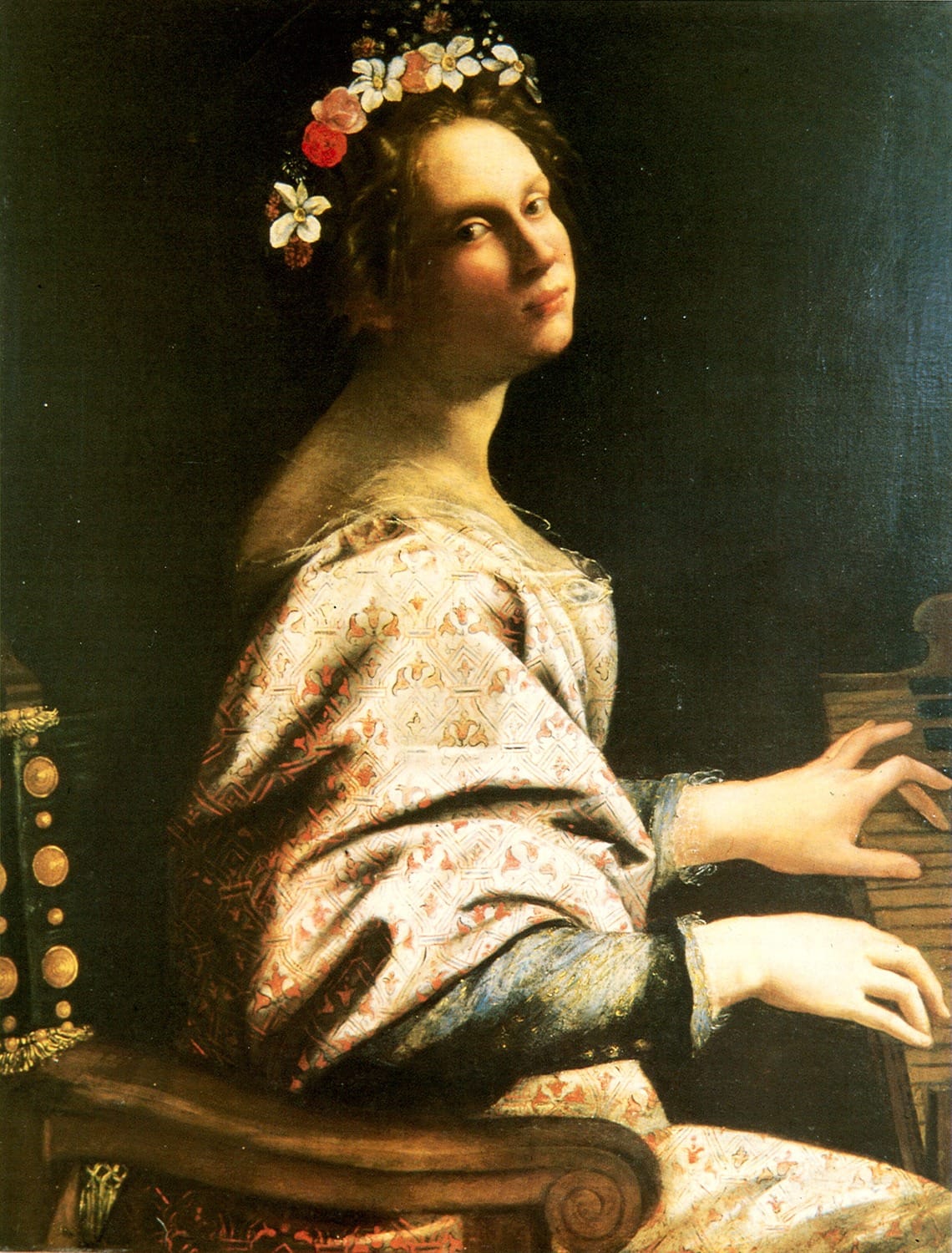
St Cecilia in a patterned gown looking over her shoulder while playing a keyboard instrument
Saint Cecilia, Artemisia Gentileschi (1593–1653), c. 1620. Credits

After Pentecost

November 22, 2026

St. Cecilia (Double) takes the Sunday; 26th & last Sunday after Pentecost commemorated, homily as 9th lesson.Rubrics

November 22: St. Cecilia, Virgin and Martyr

From Dom Guéranger’s The Liturgical Year.

Cecilia united in her veins the blood of kings with that of Rome's greatest heroes. At the time of the first preaching of the Gospel, more than one ancient patrician family had seen its direct line become extinct. But the adoptions and alliances, which under the Republic had knit more closely the great families by linking them all to the most illustrious among them, formed as it were a common fund of glory, which, even in the days of decline, was passed on intact to the survivors of the aristocracy.

It has now been demonstrated by the undeniable witness of monuments, that Christianity from the very beginning took possession of that glory, by adopting its heirs; and that by a wonderful disposition of divine Providence, the founders of the Rome of the Pontiffs were these last representatives of the Republic, thus preserved in order to give to the two phases of Roman history that powerful unity which is the distinguishing note of divine works. Heretofore bound together by the same patriotism, the Cornelii and the Aemilii, alike heirs of the Fabii, the Caecilii, Valerii, Sergii, Furii, Claudii, Pomponii, Plautii, and Acilii, eldest sons of the Gentile Church, strengthened the connections formed during the Republic, and firmly established, even in the first and second centuries of Christianity, the new Roman society.

The Twenty-Fourth Sunday after Pentecost

From Dom Guéranger’s The Liturgical Year.

The number of the Sundays after Pentecost may exceed twenty-four, and go as far as twenty-eight, according as Easter is each year more or less near to the vernal equinox. But the Mass here given is always reserved for the last; and the intervening ones, be their number what it may, are taken from the Sundays after the Epiphany, which, in that case, were not used at the beginning of the year. This, however, does not apply to the Introit, Gradual, Offertory, and Communion, which, as we have already said, are repeated from the twenty-third Sunday.

We have seen how that Mass of the twenty-third Sunday was regarded, by our forefathers, as really the last of the cycle. Abbot Rupert has given us the profound meaning of its several parts. According to the teaching we have already pondered over, the reconciliation of Juda was shown us as being, in time, the term intended by God: the last notes of the sacred liturgy blended with the last scene of the world’s history, as seen and known by God. The end proposed by eternal Wisdom in the world’s creation, and mercifully continued, after the fall, by the mystery of Redemption, has now (we speak of the Church’s year and God’s workings) been fully carried out.

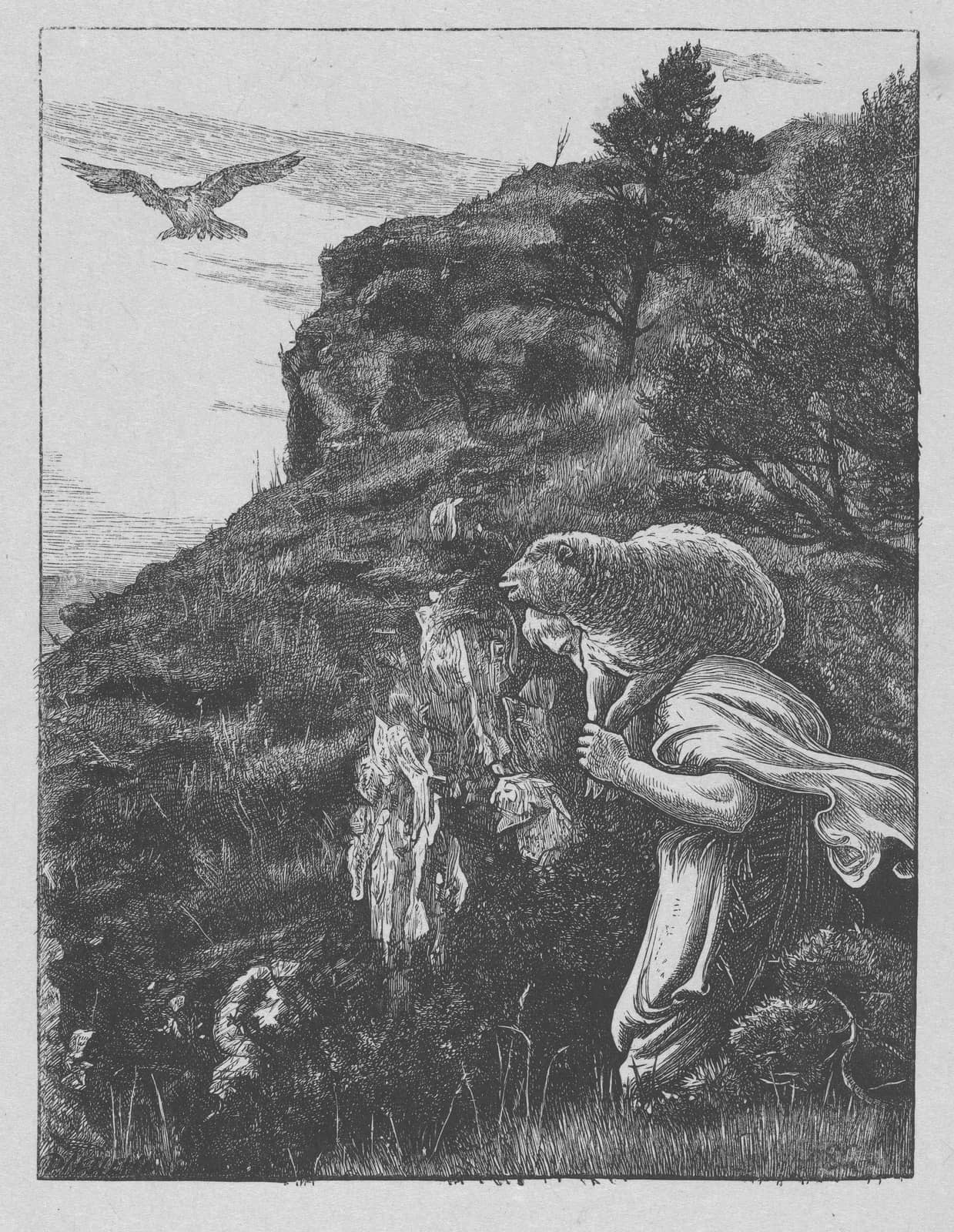
A shepherd carries the lost sheep
Sir John Everett Millais (1829–1896), The Lost Sheep, from The Parables of Our Lord and Saviour Jesus Christ, 1864. Credits

Email view of this day