This day

November 25, 2026

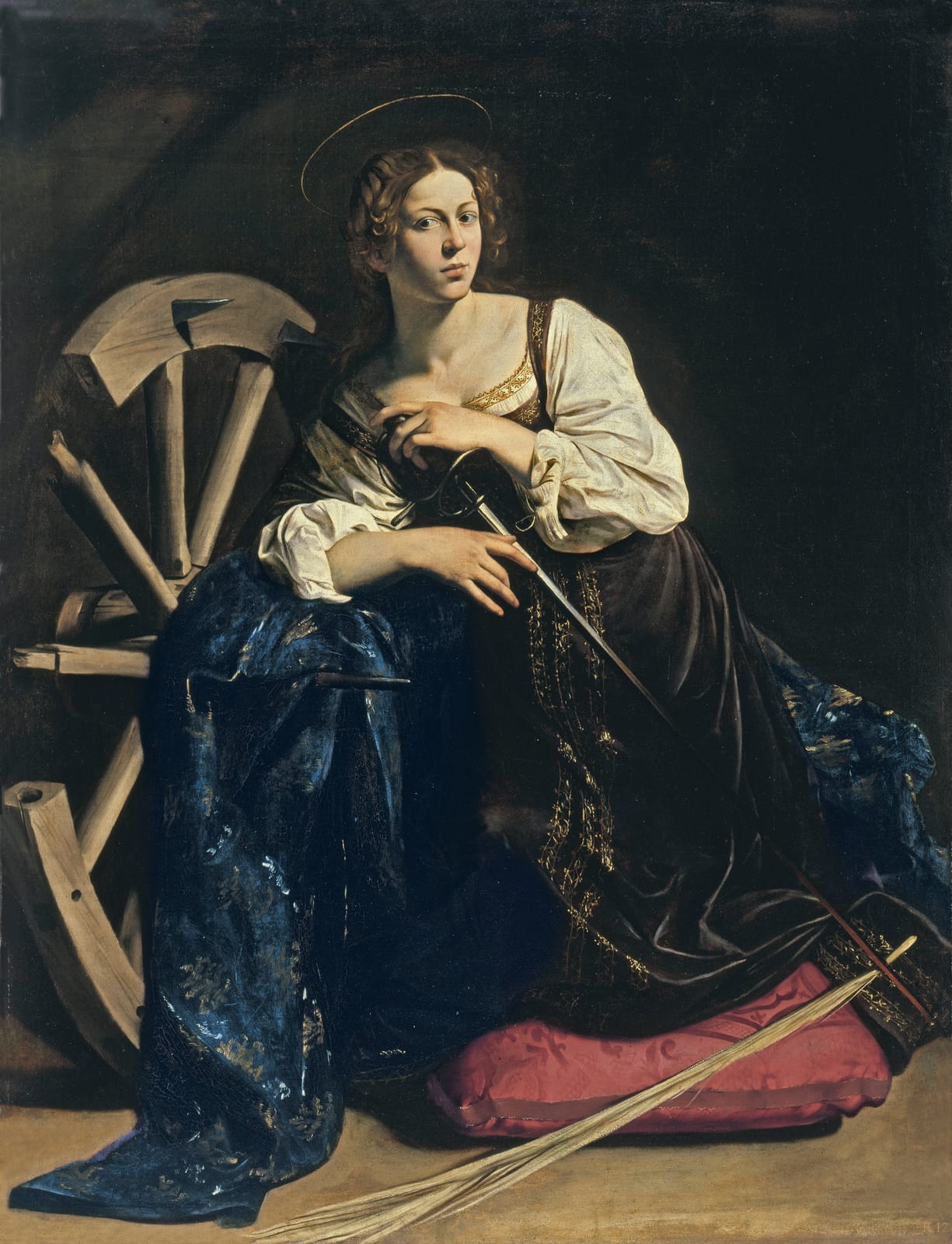
Saint Catherine of Alexandria
Saint Catherine of Alexandria, Caravaggio (1571–1610), c. 1598. Credits

After Pentecost

November 25, 2026

November 25: St. Catherine, Virgin and Martyr

From Dom Guéranger’s The Liturgical Year.

GERTRUDE the Great, from her very infance, felt a special attraction towards the glorious virgin Catharine. As she was desirous of knowing how great were her merits, our Lord showed her St. Catharine seated on a throne so lofty and so magnificent, that it seemed her glory was sufficient to have filled the courts of heaven had she been its sole queen; while from her crown a marvellous brightness was reflected on her devout clients. It is well known how the Maid of Orleans, entrusted by St. Michael to the guidance of St. Catharine and St. Margaret, received aid and counsel from them during seven years; and how it was at Sainte-Catherine-de-Fierbois that she received her sword.

In the twelfth and thirteenth centuries the Crusaders of the West experienced the powerful assistance of the Alexandrian martyr; and on their return from the East they introduced her cultus, which soon became extremely popular. An Order of knighthood was founded to protect the pilgrims visiting her holy body on Mount Sinai. Her feast was raised to the rank of first class, and as observed was a holiday of obligation by many churches.

This week's Sunday: The Twenty-Fourth Sunday after Pentecost

From Dom Guéranger’s The Liturgical Year.

The number of the Sundays after Pentecost may exceed twenty-four, and go as far as twenty-eight, according as Easter is each year more or less near to the vernal equinox. But the Mass here given is always reserved for the last; and the intervening ones, be their number what it may, are taken from the Sundays after the Epiphany, which, in that case, were not used at the beginning of the year. This, however, does not apply to the Introit, Gradual, Offertory, and Communion, which, as we have already said, are repeated from the twenty-third Sunday.

We have seen how that Mass of the twenty-third Sunday was regarded, by our forefathers, as really the last of the cycle. Abbot Rupert has given us the profound meaning of its several parts. According to the teaching we have already pondered over, the reconciliation of Juda was shown us as being, in time, the term intended by God: the last notes of the sacred liturgy blended with the last scene of the world’s history, as seen and known by God.

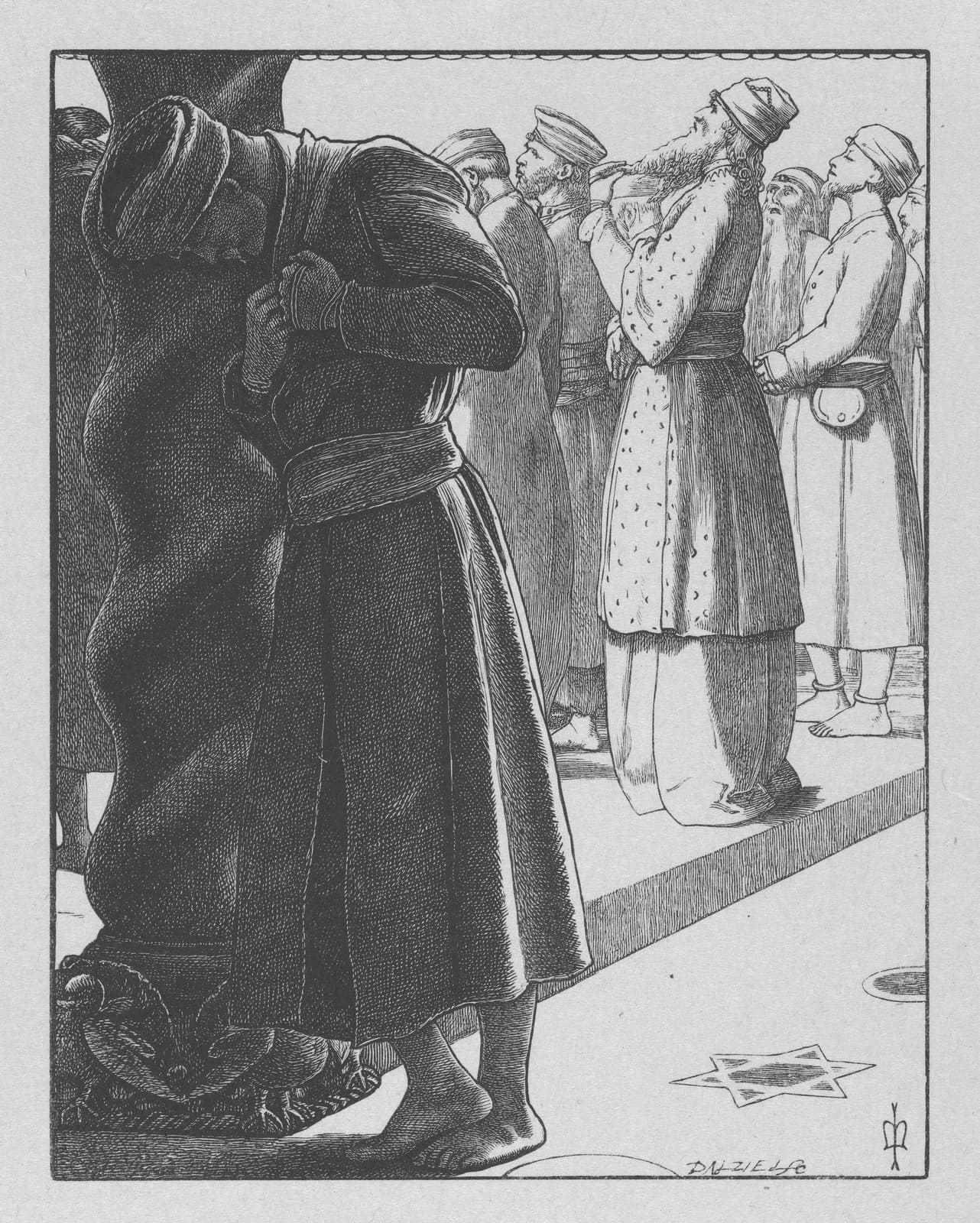
The Pharisee and the publican in the Temple
Sir John Everett Millais (1829–1896), The Pharisee and the Publican, from The Parables of Our Lord and Saviour Jesus Christ, 1864. Credits

Email view of this day