This day

November 26, 2026

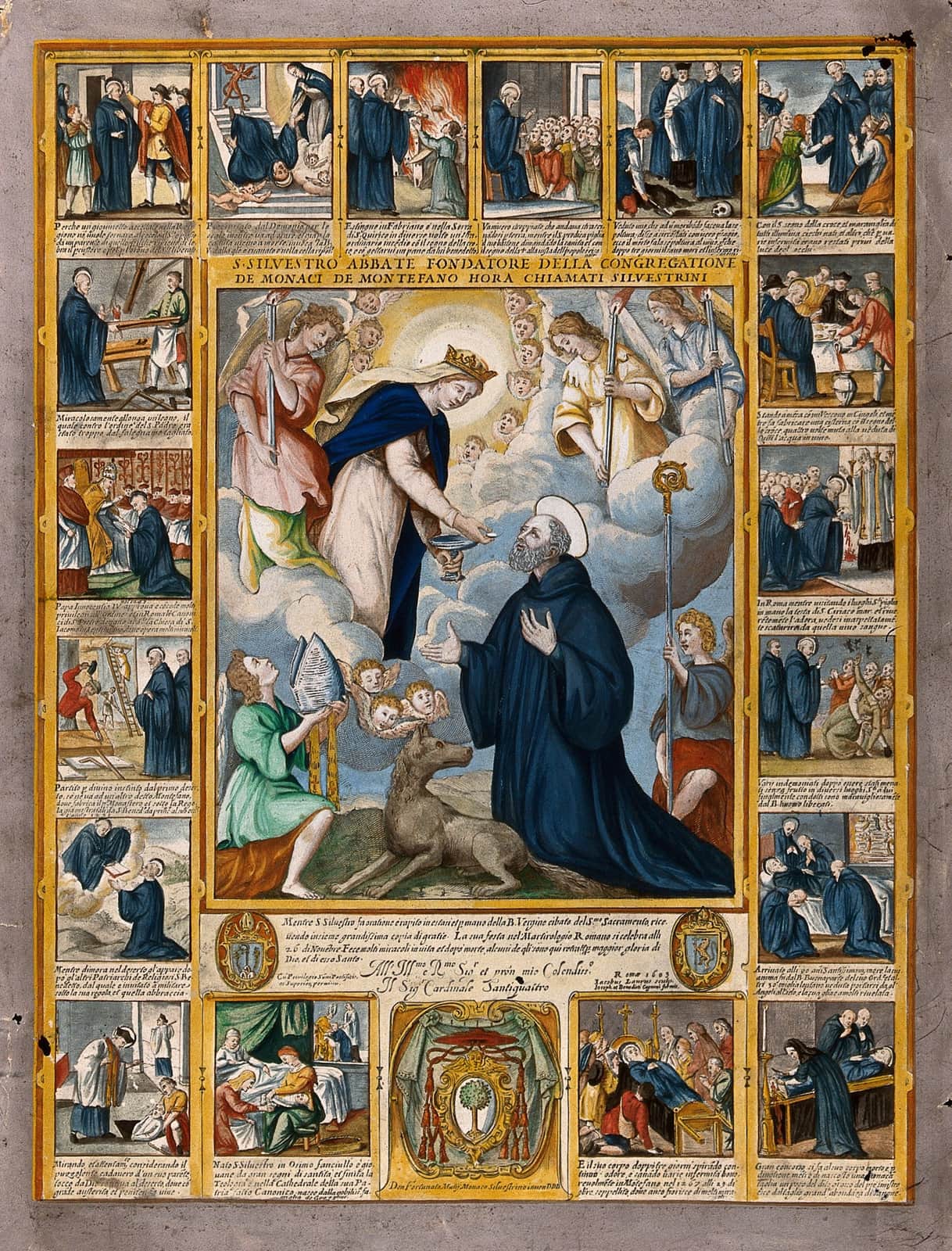
Saint Silvester
Saint Silvester Gozzolini, G. Lauro, 1603. Photo: Wellcome Collection. Credits

After Pentecost

November 26, 2026

November 26: St. Sylvester, Abbot

From Dom Guéranger’s The Liturgical Year.

GOD often brings the world to those who flee from it, as Sylvester Gozzolini among others experienced. In the thirteenth century, the world, all in admiration at the sanctity and the eloquence of the new Orders, seemed to have forgotten the monks and the desert. God, who never forgets, led his elect silently into solitude, and the wilderness began again to rejoice and flourish like the lily; strength was restored to the weak hands and feeble knees of the sons of the cloister. The austerities of olden days and the fervour of prolonged prayer were revived at Monte Fano, and extended into sixty other monasteries; the new religious family of the Sylvestrians was approved by Innocent IV. in 1247. Though originated seven centuries after St. Benedict, and distinguished from the elder families by its blue habit, it claims the Patriarch of Cassino for its legislator and father.

Let us read the life of St. Sylvester which was inserted in the Breviary by Pope Leo XIII.

Silvester, Auximi in Piceno nobilii genere ortus, statim puerilem aetatem litteris ac bonis moribus mirifice exornavit.

This week's Sunday: The Twenty-Fourth Sunday after Pentecost

From Dom Guéranger’s The Liturgical Year.

The number of the Sundays after Pentecost may exceed twenty-four, and go as far as twenty-eight, according as Easter is each year more or less near to the vernal equinox. But the Mass here given is always reserved for the last; and the intervening ones, be their number what it may, are taken from the Sundays after the Epiphany, which, in that case, were not used at the beginning of the year. This, however, does not apply to the Introit, Gradual, Offertory, and Communion, which, as we have already said, are repeated from the twenty-third Sunday.

We have seen how that Mass of the twenty-third Sunday was regarded, by our forefathers, as really the last of the cycle. Abbot Rupert has given us the profound meaning of its several parts. According to the teaching we have already pondered over, the reconciliation of Juda was shown us as being, in time, the term intended by God: the last notes of the sacred liturgy blended with the last scene of the world’s history, as seen and known by God.

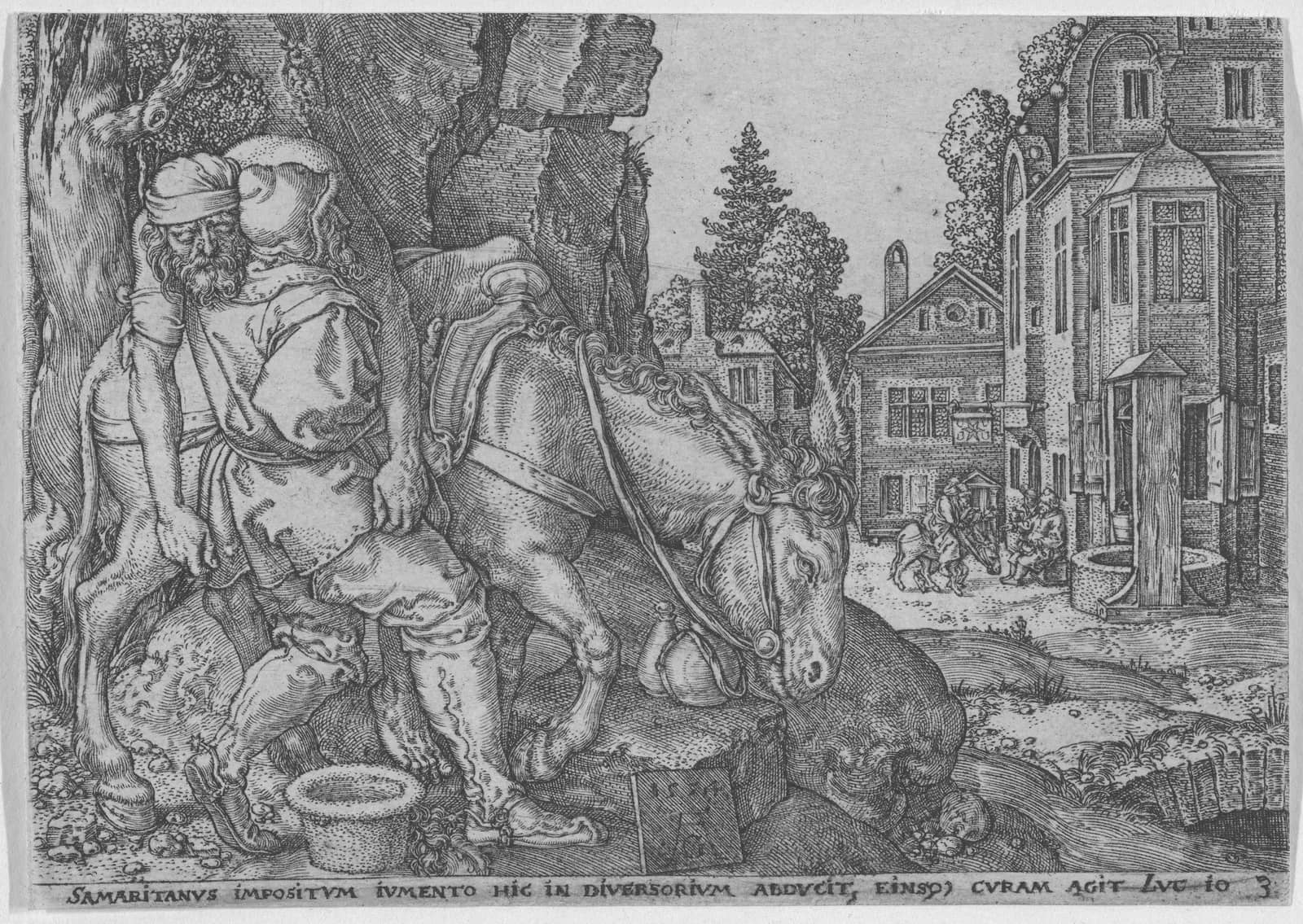
The Good Samaritan helping the wounded traveler onto his beast
Heinrich Aldegrever (1502–1561), The Good Samaritan Putting the Traveller on His Donkey, from "The Parable of the Good Samaritan", 1554. Credits

Email view of this day