This day

December 13, 2026

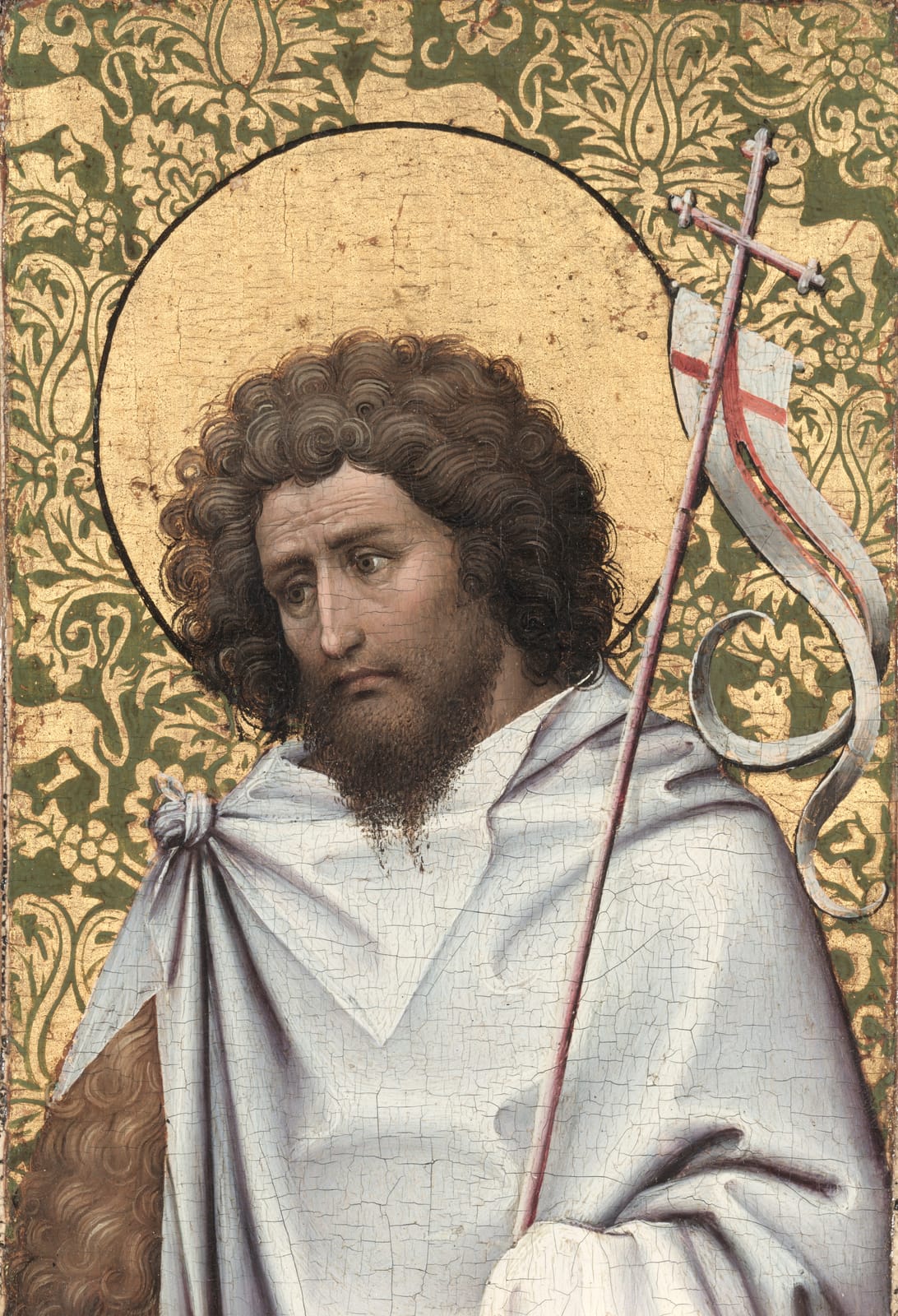
Robert Campin, John the Baptist
John the Baptist, Robert Campin (1375–1444), c. 1410. Credits

Advent

December 13, 2026

St. Lucy impeded by the Sunday, transferred to Dec 14.Rubrics

The Third Sunday of Advent

From Dom Guéranger’s The Liturgical Year.

To-day, again, the Church is full of joy, and the joy is greater than it was. It is true that her Lord has not come; but she feels that He is nearer than before, and therefore she thinks it just to lessen somewhat the austerity of this penitential season by the innocent cheerfulness of her sacred rites. And first, this Sunday has had the name of Gaudete given to it, from the first word of the Introit; it also is honoured with those impressive exceptions which belong to the fourth Sunday of Lent, called Lœtare. The organ is played at the Mass; the vestments are rose-colour; the deacon resumes the dalmatic, and the subdeacon the tunic; and in cathedral churches the bishop assists with the precious mitre. How touching are all these usages, and how admirable this condescension of the Church, wherewith she so beautifully blends together the unalterable strictness of the dogmas of faith and the graceful poetry of the formulæ of her liturgy! Let us enter into her spirit, and be glad on this third Sunday of her Advent, because our Lord is now so near unto us.
Contents
  1. The Third Sunday of Advent
  2. December 13 (the Same Day): St. Odilia, Virgin and Abbess
  3. St. Lucy, Virgin and Martyr

Chapter 4: Morning and Night Prayers for Advent

From Dom Guéranger’s The Liturgical Year.

DURING Advent, the Christian, on awaking in the morning, will unite himself with the Church, who, in her Office of Matins, says to us these solemn words, which choirs of religious, men and women, throughout the universe, have been chanting during the deep silence of the night: Regem venturum Dominum, venite, adoremus.

Come, let us adore the King our Lord, who is to come!

He will profoundly adore this great King, whose coming is so near at hand: and with this idea deeply impressed upon his mind, he will perform the first acts of religion, both interior and exterior, wherewith he begins the day. The time for morning prayer being come, he may use the following method, which is formed upon the very prayers of the Church: First, praise and adoration of the Most Holy Trinity:
℣. Benedicamus Patrem et Filium, cum Sancto Spiritu.
℟. Laudemus et superexaltemus eum in sæcula.
℣. Gloria Patri, et Filio, et Spiritui Sancto.
℟. Sicut erat in principio, et nunc et semper, et in sæcula sæculorum. Amen.

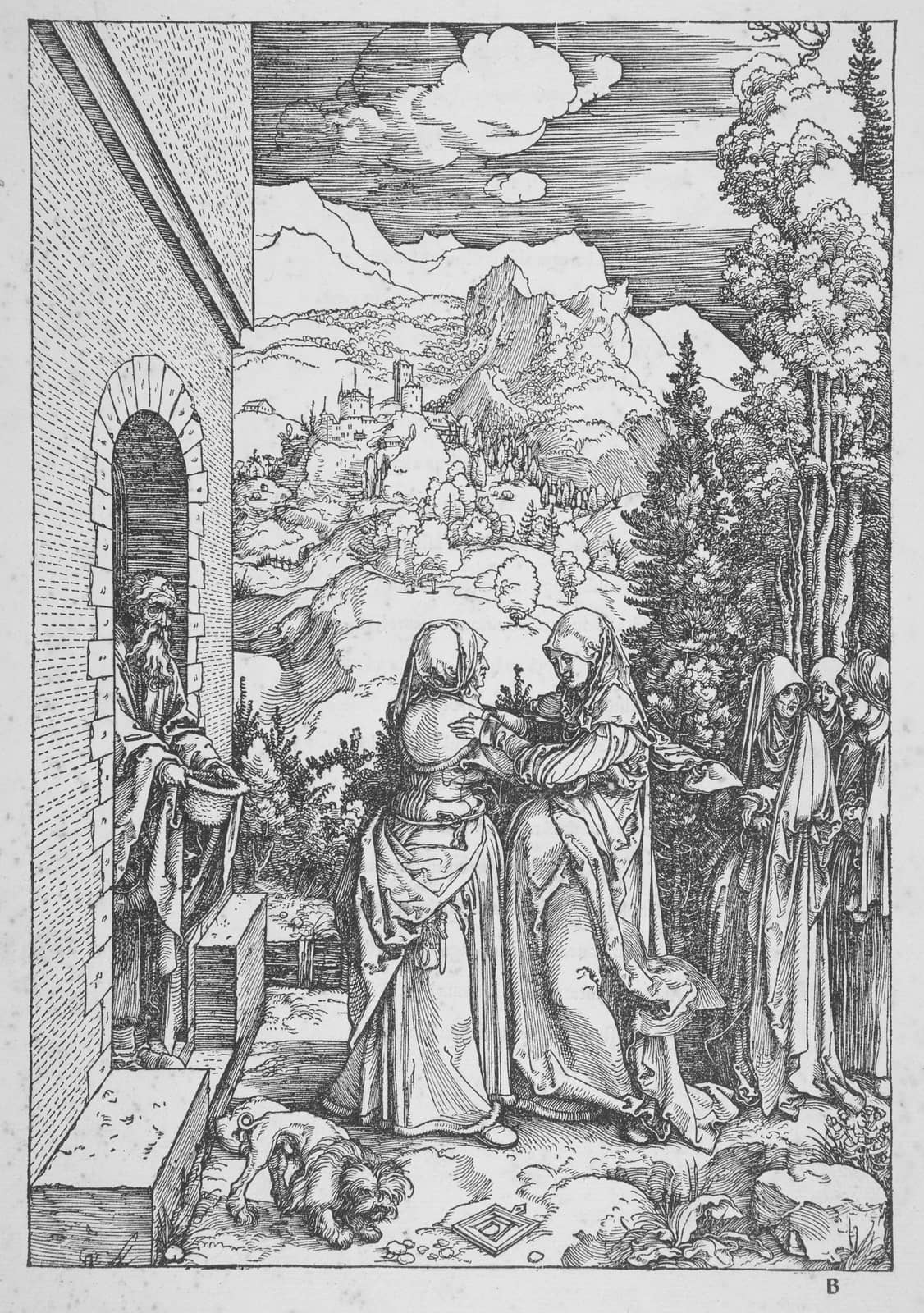
The Visitation: the Virgin Mary greets St Elizabeth
Albrecht Dürer (1471–1528), The Visitation, from The Life of the Virgin, 1503–4. Credits

Email view of this day