Christmas
January 5, 2027
January 5: The Vigil of the Epiphany, with a Commemoration of St. Telesphorus, Pope and Martyr
From Dom Guéranger’s The Liturgical Year.
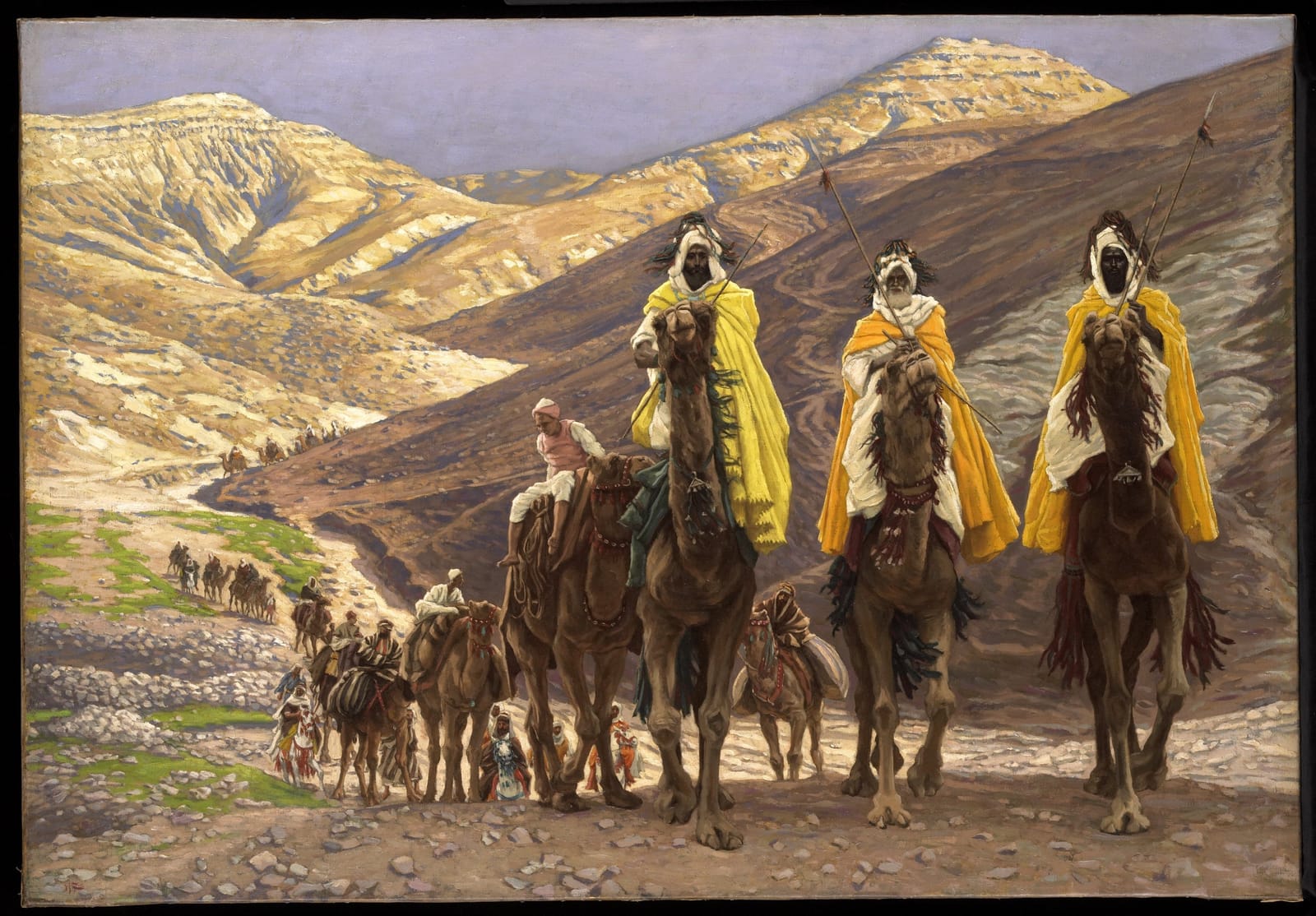
THE Feast of Christmas is over; the four Octaves are closed; and we are on the Eve of the Solemnity of our Lord's Epiphany. We must spend this January 5 in preparing ourselves for the Manifestation which Jesus, the Angel of Great Counsel, is about to make to us of his glory. A few more hours, and the Star will stand still in the heavens, and the Magi will be seeking for admission into the stable of Bethlehem.
This Vigil is not like that of Christmas, a day of penance. The Child whose coming we were then awaiting, in the fervour of our humble desires, is now among us, preparing to bestow fresh favours upon us. This eve of to-morrow’s Solemnity is a day of joy, like those that have preceded it; and therefore we do not fast, nor does the Church put on the vestments of mourning. If the Office of the Vigil be the one of to-day, the colour used is White. This is the Twelfth day since the Birth of our Emmanuel.
If the Vigil of the Epiphany fall on a Sunday, it shares with Christmas Eve the privilege of not being anticipated, as all other Vigils are, on the Saturday: it is kept on the Sunday, has all the privileges of a Sunday, and the Mass is that of the Sunday within the Octave of Christmas Day.