This day

January 6, 2027

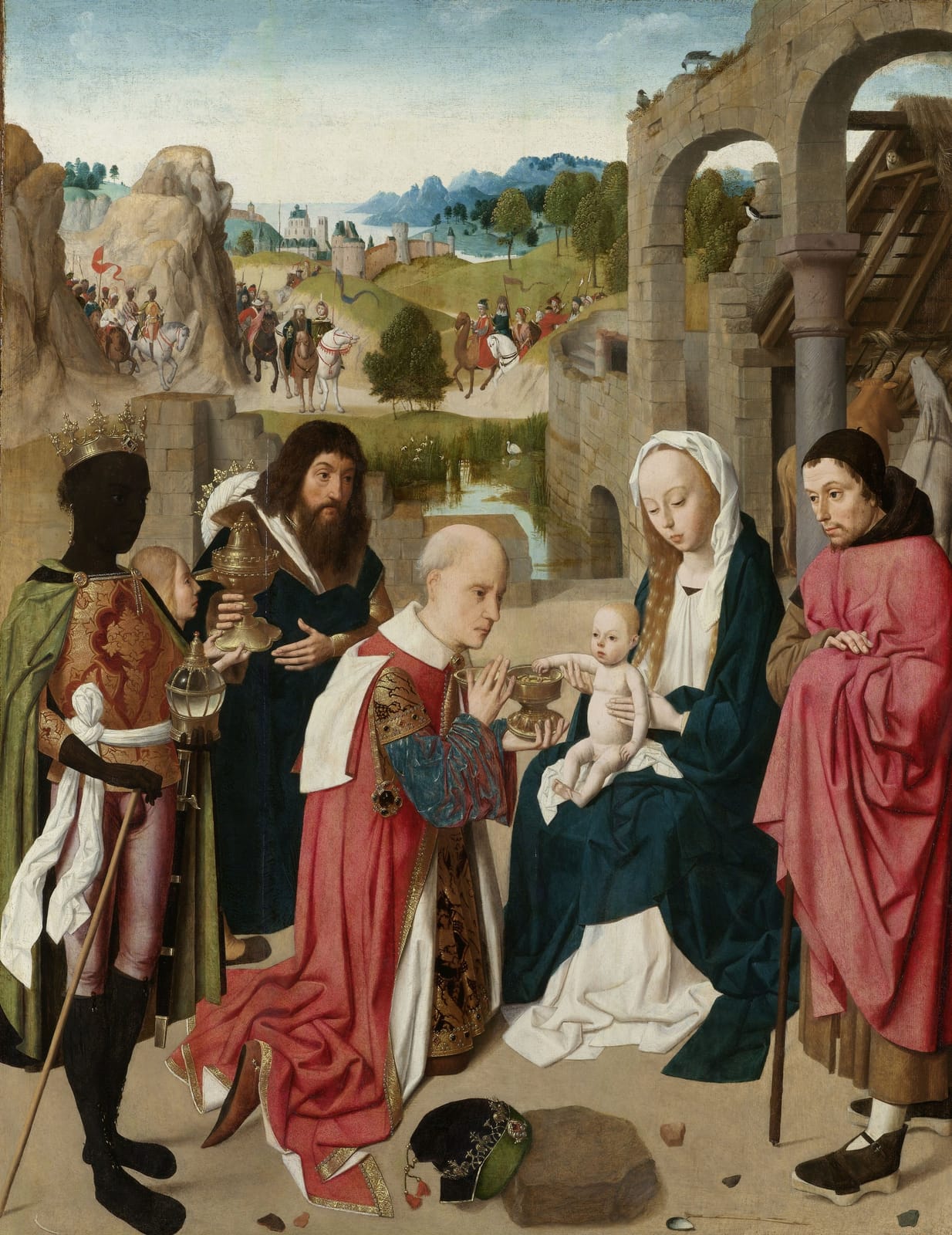
Mary holds the Infant as the three Magi present gifts amid ruined architecture and a distant retinue
The Adoration of the Magi, Geertgen tot Sint Jans, c. 1480–85. Credits

Epiphanytide

January 6, 2027

January 6: The Epiphany of Our Lord

From Dom Guéranger’s The Liturgical Year.

THE Feast of the Epiphany is the continuation of the mystery of Christmas; but it appears on the Calendar of the Church with its own special character. Its very name, which signifies Manifestation, implies that it celebrates the apparition of God to his creatures.

For several centuries the Nativity of our Lord was kept on this day; and when, in the year 376, the decree of the Holy See obliged all Churches to keep the Nativity on the 25th December, as Rome did, the Sixth of January was not robbed of all its ancient glory. It was still to be called the Epiphany, and the Baptism of our Lord Jesus Christ was also commemorated on this same Feast, which Tradition had marked as the day on which that Baptism took place.

The Greek Church gives this Feast the venerable and mysterious name of Theophania, which is of such frequent recurrence in the early Fathers, as signifying a divine Apparition. We find this name applied to this Feast by Eusebius, St Gregory Nazianzen, and St Isidore of Pelusium. In the liturgical books of the Melchite Church the Feast goes under no other name.
Chapter 1: The History of Christmas

From Dom Guéranger’s The Liturgical Year.

We apply the name of Christmas to the forty days which begin with the Nativity of our Lord, December 25, and end with the Purification of the Blessed Virgin, February 2. It is a period which forms a distinct portion of the Liturgical Year, as distinct, by its own special spirit, from every other, as are Advent, Lent, Easter, or Pentecost. One same Mystery is celebrated and kept in view during the whole forty days. Neither the Feasts of the Saints, which so abound during this Season; nor the time of Septuagesima, with its mournful Purple, which often begins before Christmastide is over, seem able to distract our Holy Mother the Church from the immense joy of which she received the good tidings from the Angels on that glorious Night for which the world had been longing four thousand years. The Faithful will remember that the Liturgy commemorates this long expectation by the four penitential weeks of Advent.

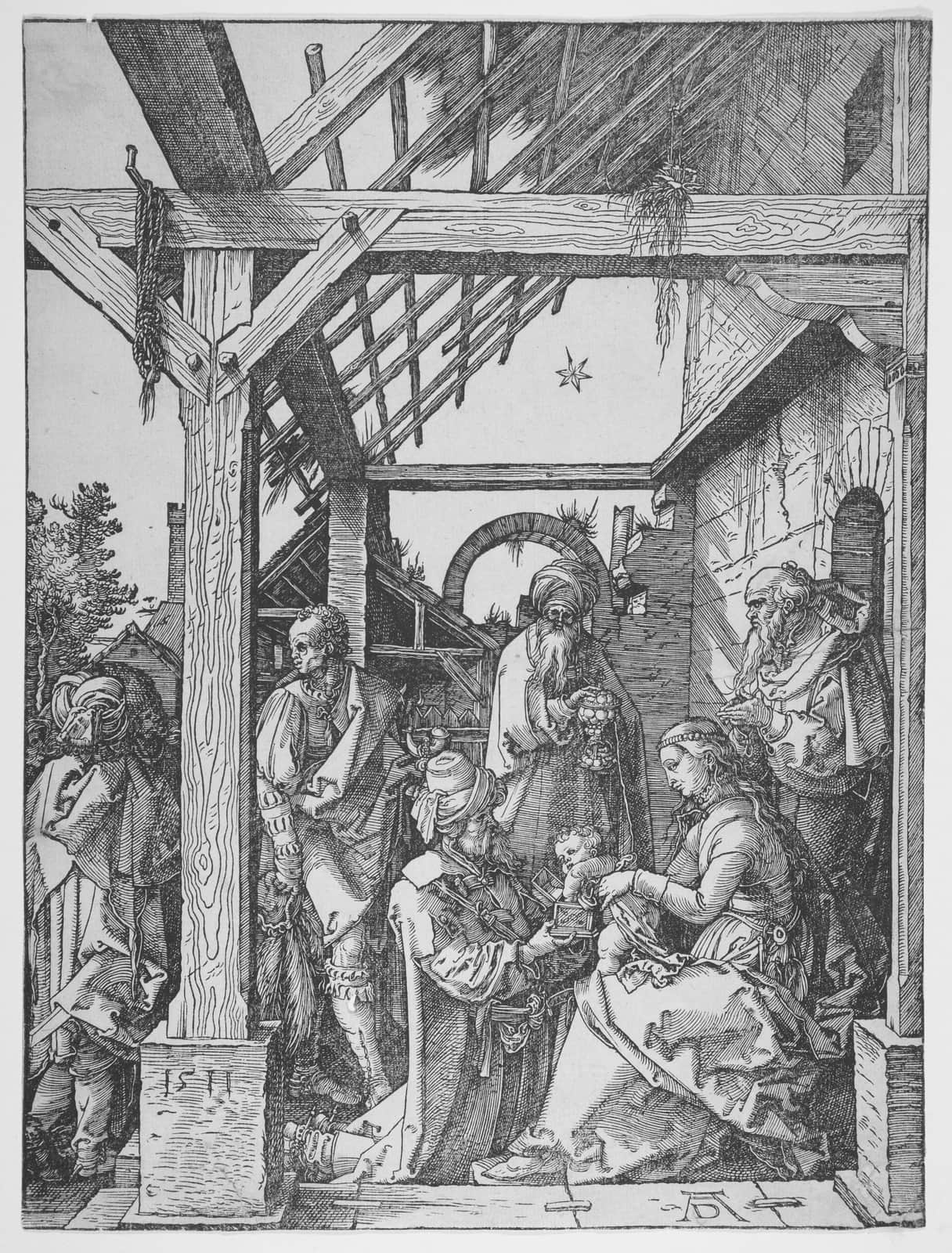
The Adoration of the Magi: the three kings offer gifts to the clothed Christ Child
Albrecht Dürer (1471–1528), The Adoration of the Magi, 1511. Credits

Email view of this day