This day

January 24, 2027

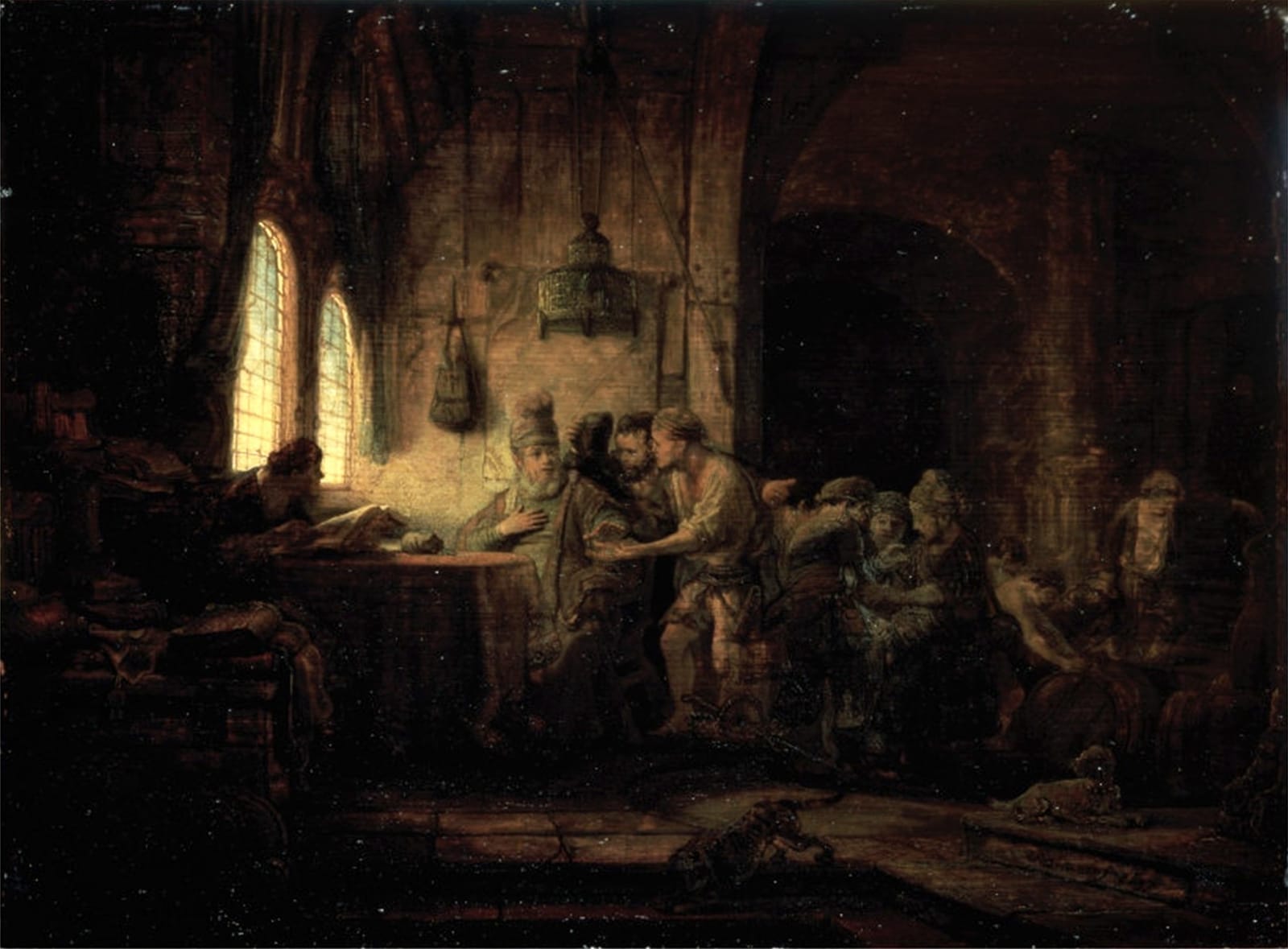
The parable of the laborers in the vineyard: the master pays the workers
Parable of the Laborers in the Vineyard, Rembrandt (1606–1669), 1637. Credits

Septuagesima

January 24, 2027

St. Timothy impeded by Septuagesima, transferred to Feb 3.Rubric

Septuagesima Sunday

From Dom Guéranger’s The Liturgical Year.

The holy Church calls us together to-day in order that we may hear from her lips the sad history of the fall of our first parents. This awful event implies the Passion and cruel Death of the Son of God made Man, who has mercifully taken upon Himself to expiate this and every subsequent sin committed by Adam and us his children. It is of the utmost importance that we should understand the greatness of the remedy; we must, therefore, consider the grievousness of the wound inflicted. For this purpose, we will spend the present week in meditating on the nature and consequences of the sin of our first parents.

Formerly, the Church used to read in her Matins of to-day that passage of the Book of Genesis, where Moses relates to all future generations, but in words of most impressive and sublime simplicity, how the first sin was brought into the world. In the present form of the liturgy, the reading of this history of the fall is deferred till Wednesday, and the preceding days give us the account of the six days of creation.

Contents
  1. Septuagesima Sunday
  2. St. Timothy, Bishop and Martyr

Chapter 1: The History of Septuagesima

From Dom Guéranger’s The Liturgical Year.

The season of Septuagesima comprises the three weeks immediately preceding Lent. It forms one of the principal divisions of the liturgical year, and is itself divided into three parts, each part corresponding to a week: the first is called Septuagesima; the second, Sexagesima; the third, Quinquagesima.

All three are named from their numerical reference to Lent, which, in the language of the Church, is called Quadragesima, that is, Forty, because the great feast of Easter is prepared for by the holy exercises of forty days. The words Quinquagesima, Sexagesima, and Septuagesima, tell us of the same great solemnity as looming in the distance, and as being the great object towards which the Church would have us now begin to turn all our thoughts, and desires, and devotion.

Now, the feast of Easter must be prepared for by forty days of recollectedness and penance. Those forty days are one of the principal seasons of the liturgical year, and one of the most powerful means employed by the Church for exciting in the hearts of her children the spirit of their Christian vocation.

Christ points to a laborer working in a vineyard
Hans Schäufelein (1480–1540), The Parable of the Workers in the Vineyard, from Das Plenarium, 1517. Credits

Email view of this day