This day

January 27, 2027

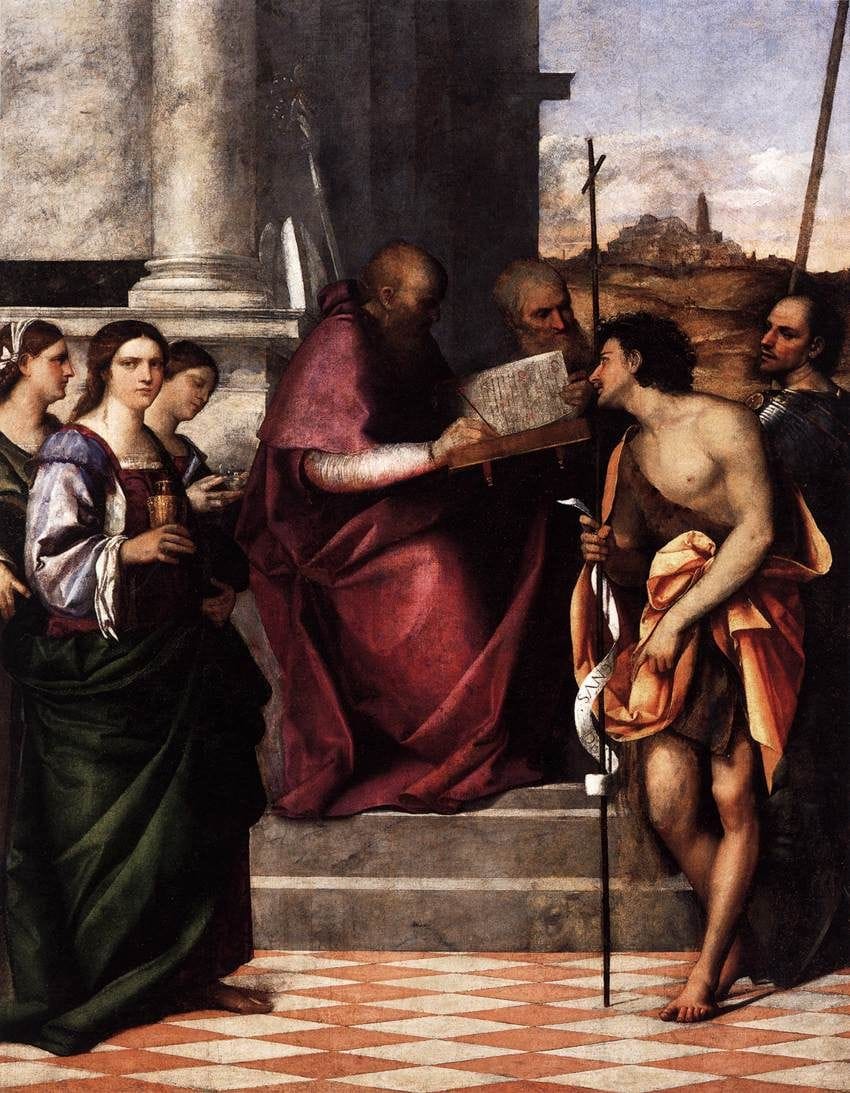
San Giovanni Crisostomo Altarpiece
Saint John Chrysostom Altarpiece, Sebastiano del Piombo (1485–1547), 1510–1511. Credits

Septuagesima

January 27, 2027

A Double leads the weekday.Rubric

January 27: St. John Chrysostom, Bishop and Doctor of the Church

From Dom Guéranger’s The Liturgical Year.

BEFORE our Emmanuel came upon this earth, men were as sheep without a shepherd; the flock was scattered, and the human race was hastening on to perdition. Jesus would, therefore, not only be the Lamb that was to be slain for our sins; he made himself, moreover, a Shepherd, that so he might bring us all back to the divine fold. But as he had to leave us when he ascended into heaven, he has provided for the wants of his sheep by providing us with a succession of Pastors, who should in his name feed the flock even to the end of the world. Now instruction, which is the light of life, is what the flock of Christ needs above all other things; and therefore our Emmanuel required that the Pastors of his Church should also be Doctors of sacred science. The Pastor owes two things to his people; namely, the Word of God and the Sacraments. He is under the obligation of dispensing, personally and unceasingly, this twofold nourishment to his flock, and of laying down his very life, if needed, in the fulfilment of a duty on which rests the whole work of the world’s salvation.

Wednesday of Septuagesima Week

From Dom Guéranger’s The Liturgical Year.

The guilty pair appear before the great God, whom they have offended; and instead of acknowledging their guilt, they seek to palliate and excuse it. But divine justice pronounces their condemnation, and the sentence will be felt by their posterity, even to the last generation. The two beings, that had committed the heinous crime, had been enriched with every gift of nature and grace. It was not with them, as it is with us. Concupiscence which gives us an inclination for what is wrong; ignorance and forgetfulness which cloud the intellect of fallen man, these miseries had nothing whatever to do with the fall of our first parents. They sinned through sheer ingratitude. They began by weighing the proposal of revolt, when they ought to have spurned it with indignation and conquered by flight. Then, by degrees, the proposed crime seemed no great harm, because, though God would lose their obedience, they would gain by the disobedience! And at length, the love of God was made to give place to the love of self, and they declared their independence! Yet God had mercy on them, because of their posterity.

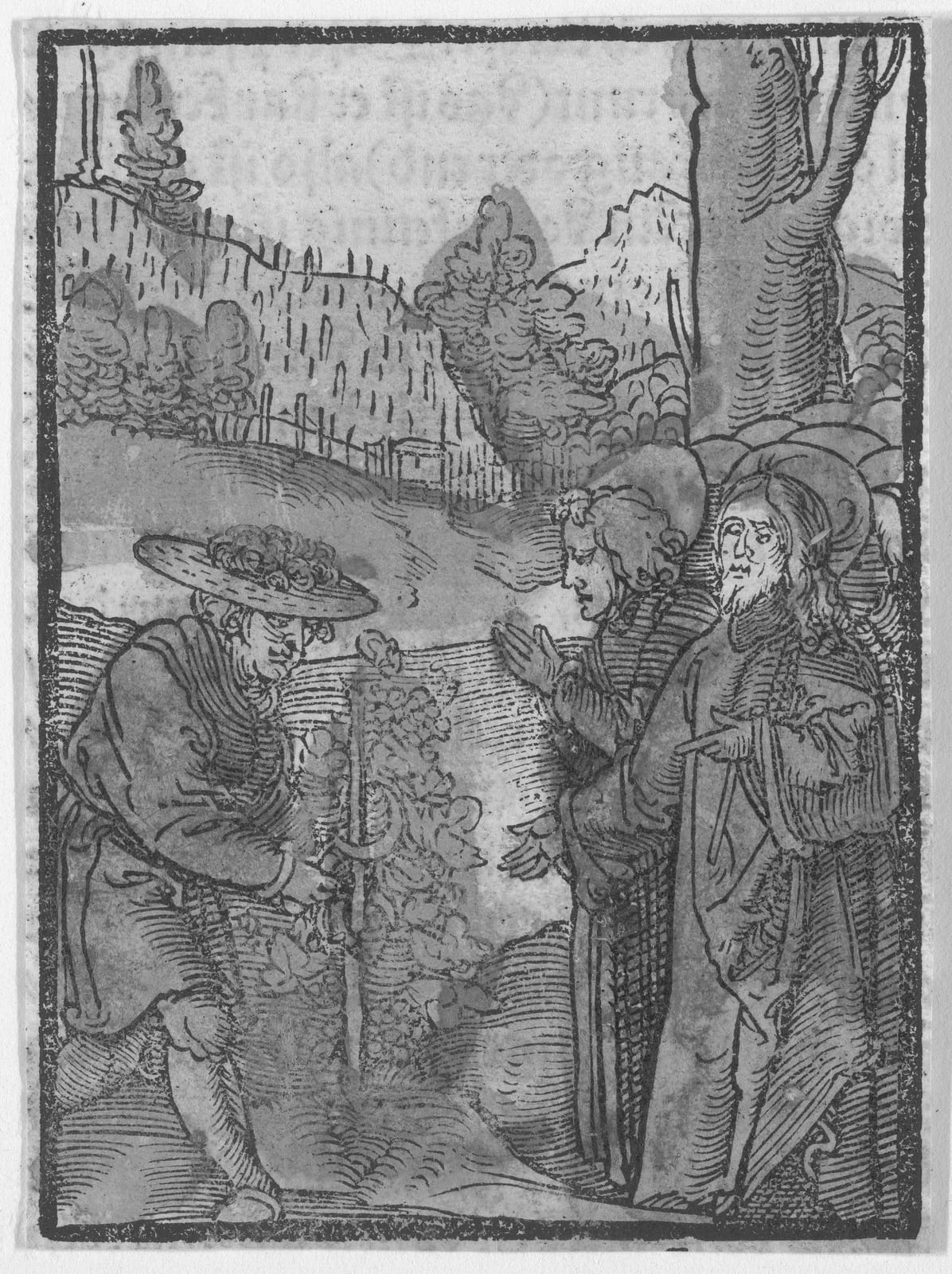
Christ points to a laborer working in a vineyard
Hans Schäufelein (1480–1540), The Parable of the Workers in the Vineyard, from Das Plenarium, 1517. Credits

Email view of this day