This day

January 28, 2027

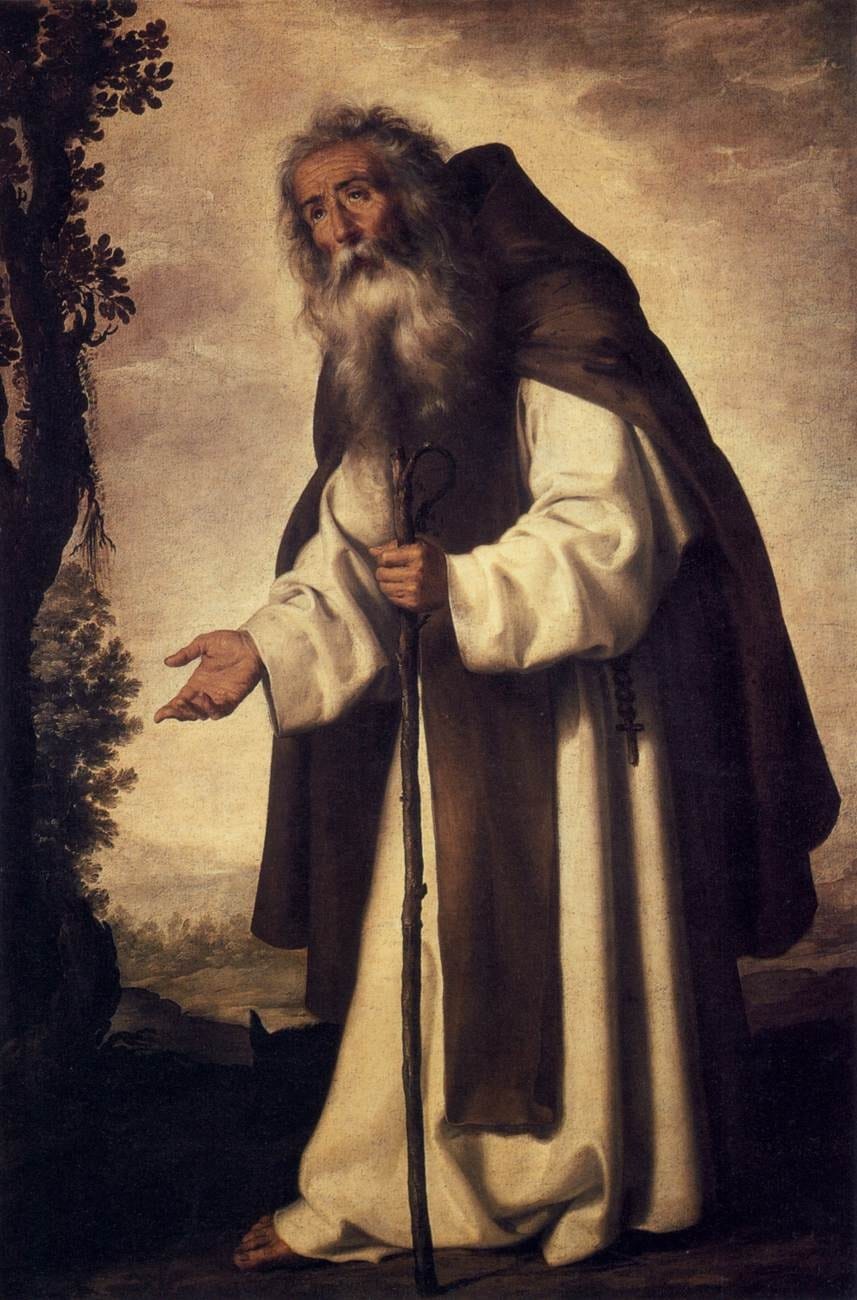
Elderly St Anthony Abbot in brown hooded habit with staff in a rocky landscape
St Anthony Abbot, Francisco de Zurbarán (1598–1664), after 1640. Credits

Septuagesima

January 28, 2027

St. Antony transferred from Jan 17.Rubrics

January 17: St. Antony, Abbot

From Dom Guéranger’s The Liturgical Year.

THE East and West unite, to-day, in honouring St Antony, the Father of Cenobites. The Monastic Life existed before his time, as we know from indisputable testimony; but he was the first Abbot, because he was the first to bring Monks under the permanent government of one Superior or Father.

Antony began with seeking solely his own sanctification; he was known only as the wonderful Solitary against whom the wicked spirits waged an almost continuous battle: but in course of time, men were attracted to him by his miracles and by the desire of their own perfection; this gave him disciples; he permitted them to cluster round his cell; and monasteries thus began to be built in the desert. The age of the Martyrs was near its close; the persecution under Diocletian, which was to be the last, was over as Antony entered on the second half of his course: and God chose this time for organizing a new force in the Church. The Monastic Life was brought to bear upon the Christian world; the Ascetics, as they were called, not even such of them as were consecrated, were not a sufficient element of power.

Thursday of Septuagesima Week

From Dom Guéranger’s The Liturgical Year.

Forgiveness is promised; but atonement must be made. Divine justice must be satisfied, and future generations be taught that sin can never pass unpunished. Eve is the guiltier of the two, and her sentence follows that of the serpent. Destined by God to aid man in peopling the earth with happy and faithful children, formed by this God out of man’s own substance 'flesh of his flesh, and bone of his bones,’ woman was to be on an equality with man. But sin has subverted this order, and God’s sentence is this: conjugal union, notwithstanding the humiliation of concupiscence now brought upon it, is to be, as before, holy and sacred; but it is to be inferior in dignity, before both God and man, to the state of virginity, which disdains the ambitions of the flesh.

Secondly, woman shall be mother still, as she would have been in the state of innocence; but her honour shall be a burden. Moreover, she shall give birth to her children amidst cruel pains, and sometimes even death must be the consequence of her infant’s coming into the world.

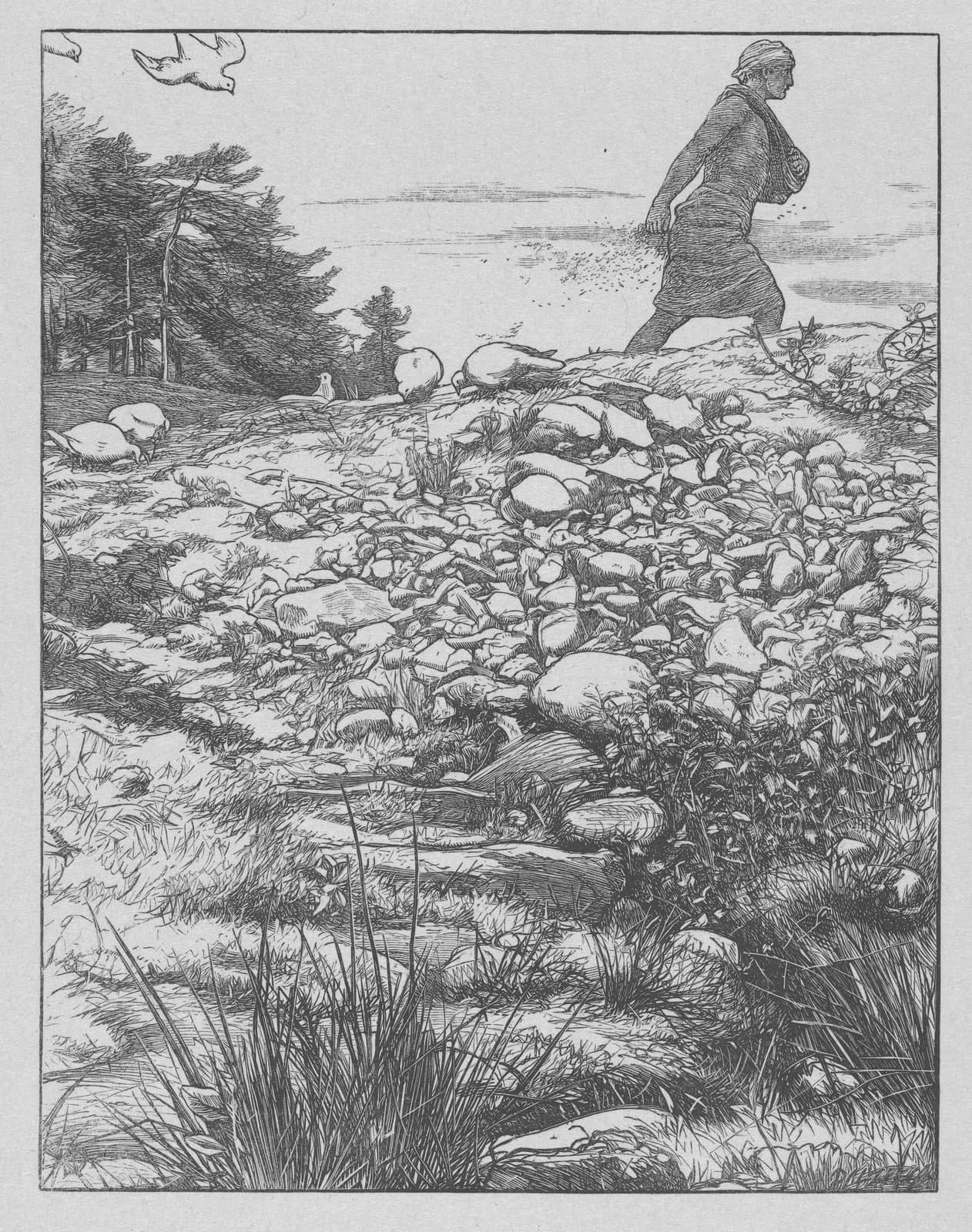
A sower scatters seed on rocky and thorny ground
Sir John Everett Millais (1829–1896), The Sower, from The Parables of Our Lord and Saviour Jesus Christ, 1864. Credits

Email view of this day