This day

February 9, 2027

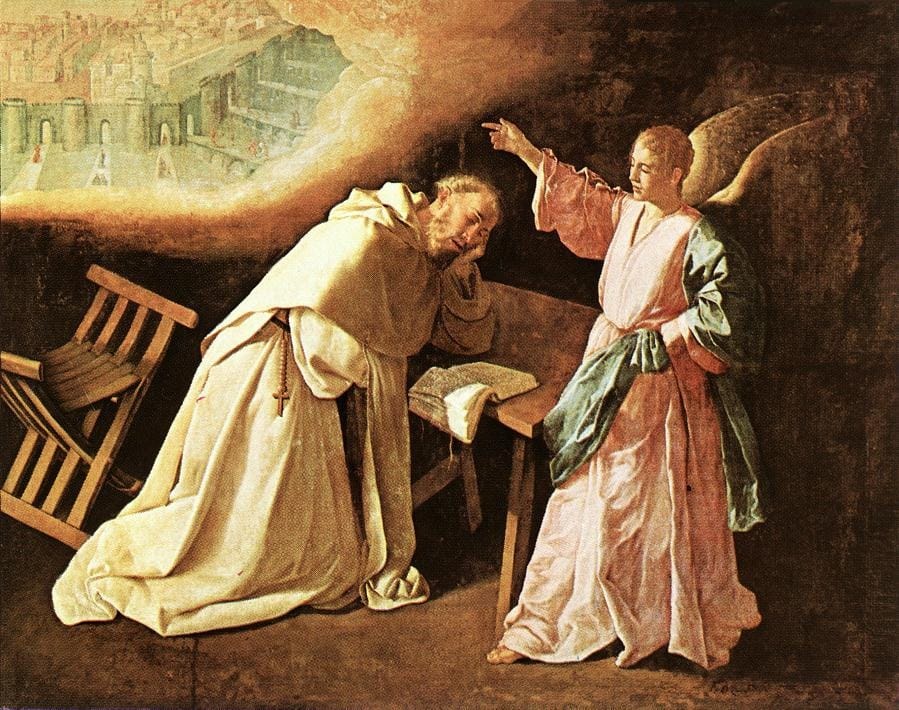
St Peter Nolasco in white habit asleep at a desk while a vested angel points to a vision of a city
The Vision of St Peter of Nolasco, Francisco de Zurbarán (1598–1664). Credits

Septuagesima

February 9, 2027

St. Peter Nolasco transferred from Sexagesima. St. Apollonia is commemorated.Rubric

January 28 [January 31]: St. Peter Nolasco, Confessor

From Dom Guéranger’s The Liturgical Year.

[This feast day, originally kept on January 31, was moved to January 28 when St. John Bosco was placed on January 31.-Ed.]

THE Ransomer of Captives, Peter Nolasco, is thus brought before us by the Calendar, a few days after the Feast of his master, Raymund of Pennafort. Both of them offer to the Divine Redeemer the thousands of Christians they ransomed from slavery. It is an appropriate homage, for it was the result of the Charity which first began in Bethlehem, in the heart of the Infant Jesus, and was afterwards so fervently practiced by these two Saints.

Peter was born in France, but made Spain his adopted country, because it offered him such grand opportunities for zeal and self-sacrifice. In imitation of our Redeemer, he devoted himself to the ransom of his brethren; he made himself a prisoner to procure them their liberty; and remained in exile, that they might once more enjoy the happiness of home. His devotedness was blessed by God. He founded a new Religious Order in the Church, composed of generous-hearted men, who for six hundred years prayed, toiled, and spent their lives in obtaining the blessing of liberty for countless captives, who would else have led their whole lives in chains, exposed to the imminent danger of losing their faith.

Tuesday of Quinquagesima Week (Fat Tuesday)

From Dom Guéranger’s The Liturgical Year.

The fundamental rule of Christian life is, as almost every page of the Gospel tells us, that we should live out of the world, separate ourselves from the world, hate the world. The world is that ungodly land which Abraham, our sublime model, is commanded by God to quit. It is that Babylon of our exile and captivity, where we are beset with dangers. The beloved disciple cries out to us: 'Love not the world, nor the things which are in the world. If any man love the world, the charity of the Father is not in him.’ Our most merciful Jesus, at the very time when He was about to offer Himself as a sacrifice for all men, spoke these awful words: 'I pray not for the world.' When we were baptized, and were signed with the glorious and indelible character of Christians, the condition required of us, and accepted, was that we should renounce the works and pomps of the world (which we expressed under the name of Satan); and this solemn baptismal promise we have often renewed.

But what is the meaning of our promise to renounce the world?

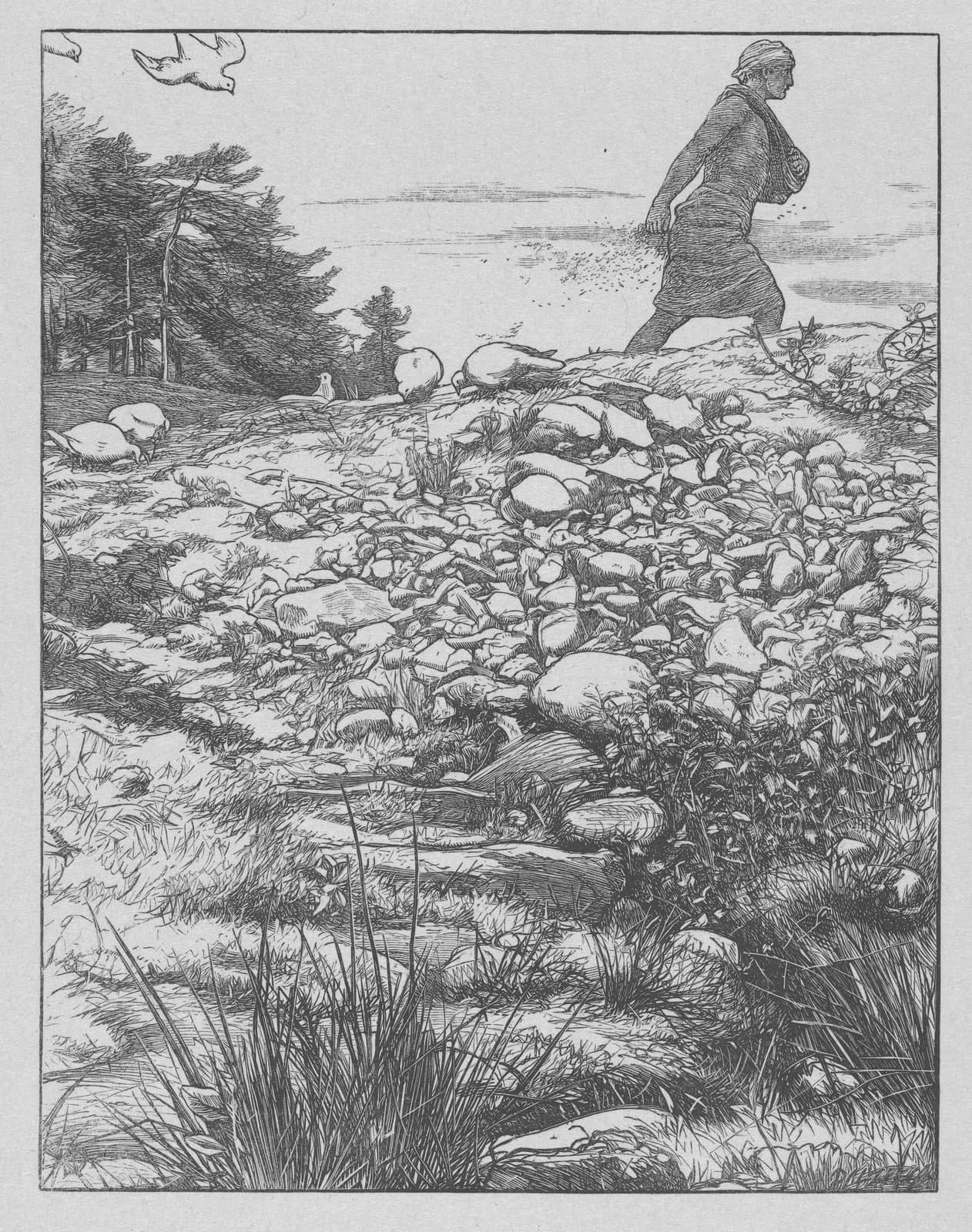
A sower scatters seed on rocky and thorny ground
Sir John Everett Millais (1829–1896), The Sower, from The Parables of Our Lord and Saviour Jesus Christ, 1864. Credits

Email view of this day