This day

March 17, 2027

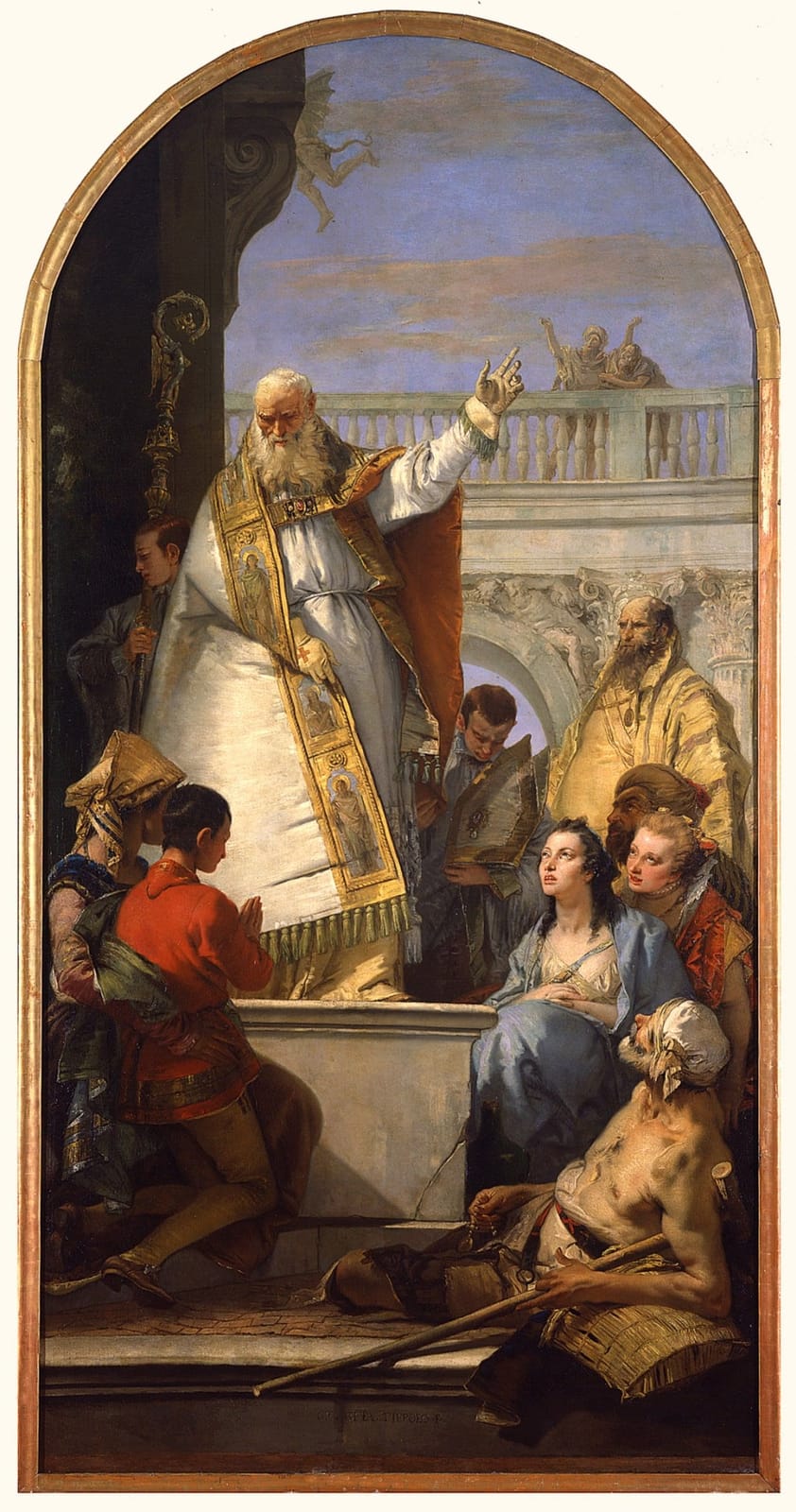
Saint Patrick, Bishop of Ireland
Saint Patrick, Bishop of Ireland, Giovanni Battista Tiepolo (1696–1770), 1746. Credits

Passiontide

March 17, 2027

A Double leads the weekday.Rubric

March 17: St. Patrick, Apostle of Ireland, Bishop and Confessor

From Dom Guéranger’s The Liturgical Year.

The saint we have to honour to-day is the apostle of that faithful people, whose martyrdom has lasted three hundred years: it is the great St. Patrick, he that gave Erin the faith. There shone most brightly in this saint that gift of the apostolate, which Christ has left to His Church, and which is to remain with her to the end of time. The ambassadors or missioners, sent by our Lord to preach His Gospel, are of two classes. There are some who have been entrusted with a small tract of the Gentile world; they had to sow the divine seed there, and it yielded fruit more or less according to the dispositions of the people that received it: there are others, again, whose mission is like a rapid conquest, that subdues a whole nation, and brings it into subjection to the Gospel. St. Patrick belongs to this second class; and in him we recognize one of the most successful instruments of God's mercy to mankind.

And then, what solidity there is in this great saint’s work! When is it that Ireland received the faith?


Wednesday in Passion Week

From Dom Guéranger’s The Liturgical Year.

At Rome, the Station is in the church of Saint Marcellus, Pope and Martyr. This church was once the house of the holy lady Lucina, who gave it to the Pontiff, that he might consecrate it to God.

Enlighten, O God of mercy, the hearts of thy people by means of this holy fast; and since all our devotion is the effect of thy bounty, mercifully hear the petitions we make. Through Christ our Lord. Amen.

Lectio Libri Levitici.
Cap. xix.
In diebus illis: Locutus eat Dominus ad Moysen, dicens: Loquere ad omnem cœtum filiorum Israel, et dices ad eos: Ego Dominus Deus vester. Non facietis furtum. Non mentiemini, nec decipiet unuequisque proximum suum. Non perjurabis in nomine meo, nec pollues nomen Dei tui. Ego Dominus. Non facies calumniam proximo tuo, nec vi opprimes eum. Non morabitur opus mercenarii tui apud to usque mane. Non maledices surdo, nec coram cæco pones offendiculum: sed timebis Dominum Deum tuum, quia ego sum Dominus. Non facies quod iniquum est, nec injuste judicabis. Non consideres personam pauperis, nec honores vultum potentis. Juste judica proximo tuo.

Judas betrays Christ with a kiss as soldiers close in
Albrecht Dürer (1471–1528), The Betrayal of Christ, from The Large Passion, 1511. Credits

Email view of this day