This day

June 6, 2027

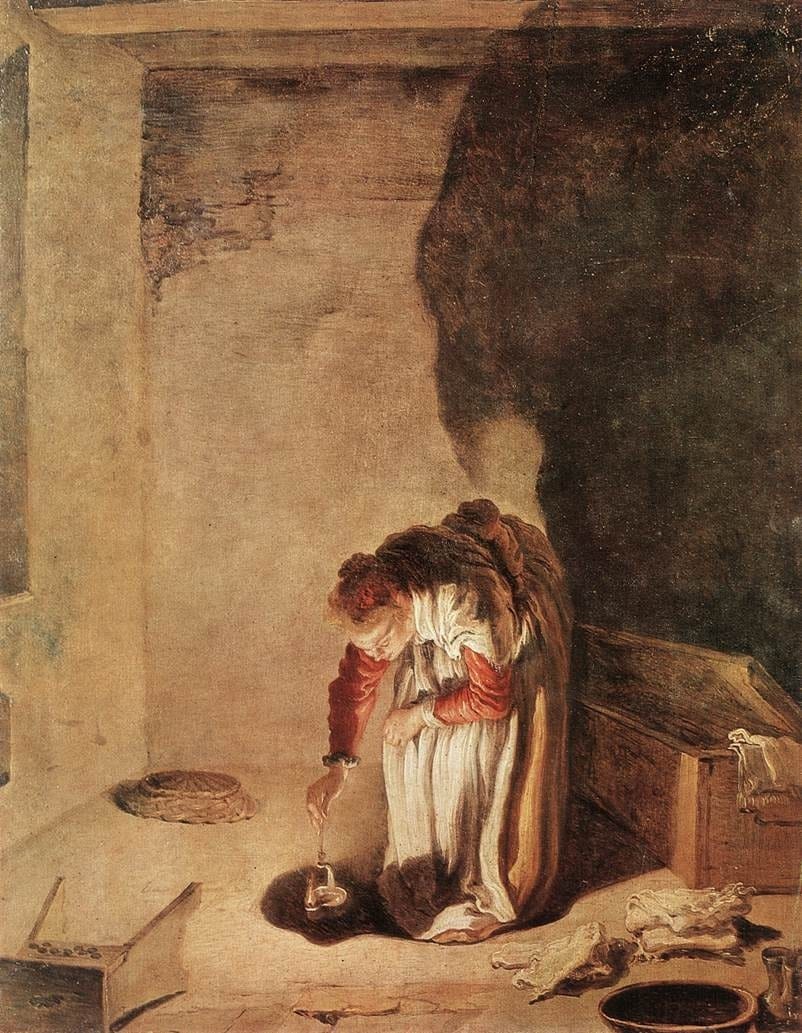
A woman with a lamp searches the floor for her lost coin
Parable of the Lost Drachma, Domenico Fetti, c. 1618–22. Credits

After Pentecost

June 6, 2027

The Third Sunday after Pentecost

From Dom Guéranger’s The Liturgical Year.

The faithful soul has now witnessed in the holy liturgy the close of the mysteries of our redemption. The Holy Ghost has come down to support her during this second portion of her career, by forming and developing within her the fullness of the Christian life as taught by her divine Saviour when on earth. He begins by teaching her how to pray. Prayer, said our Lord, must be continual: we ought always to pray, and not to faint. We know not what we should pray for as we ought; but the holy Spirit helpeth our infirmity, and Himself asketh for us with unspeakable groanings.

In the Introit and the whole Mass for this Sunday, we are taught that prayer must have, amongst its other requisite qualities, that of humble repentance for our past sins, and of confidence in God’s infinite mercy.

This is the Third Sunday after Pentecost; it is the first that has no rubrical connexion with the great feasts we have been solemnizing; it is a Sunday with all the simplicity of the Office of the Time.

Respice in me, et miserere mei, Domine, quoniam unicus et pauper sum ego; vide humilitatem meam, et laborem meum: et dimitte omnia peccata mea, Deus meus.
Chapter 4: Morning and Night Prayers for the Time after Pentecost

From Dom Guéranger’s The Liturgical Year.

During this second part of the year, the Christian, on waking in the morning, will unite himself with holy Church, who, every day in her Office of Lauds, hails the return of light, making use of these words of the royal prophet: Deus, Deus meus, ad te de luce vigilo.

He will profoundly adore the divine Majesty; and, thanking his sovereign Lord, who has protected him while involved in the darkness of night, he will proffer Him his service for the whole day which is now commencing; he will wish to spend it in love and obedience, as behoves one whom Christ has united to Himself by His mysteries, and whom the Holy Ghost is willing to guide and govern. The time for morning prayer being come, he may give expression to the sentiments which should then animate his soul, by using these formulas of the Church: First, praise and adoration of the most holy Trinity:
℣. Benedicamus Patrem et Filium cum Sancto Spiritu.
℟. Laudemus et superexaltemus eum in sæcula.

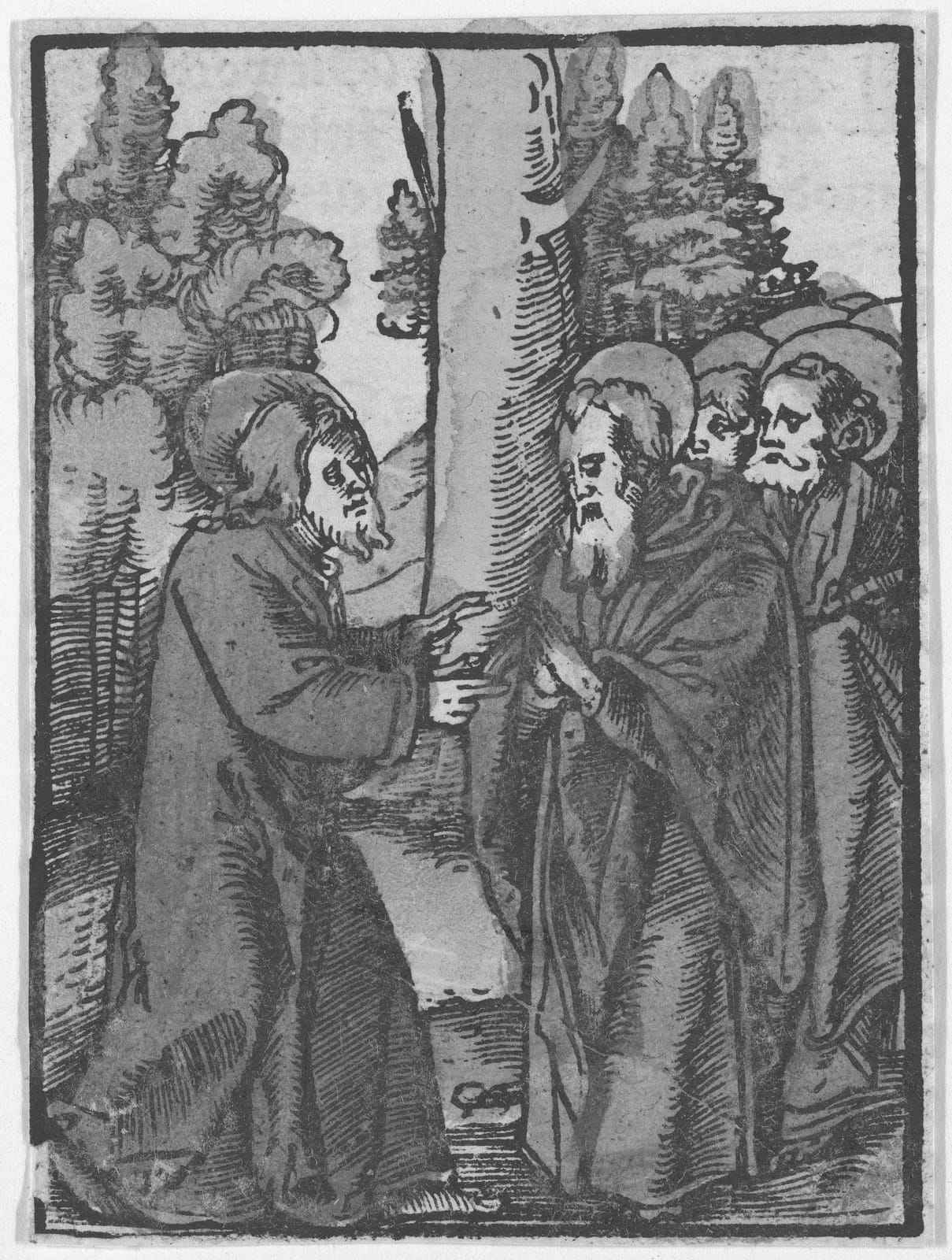
Christ teaching the disciples
Hans Schäufelein (1480–1540), Christ Teaching the Disciples, from Das Plenarium, 1517. Credits

Email view of this day