This day

June 10, 2027

After Pentecost

June 10, 2027

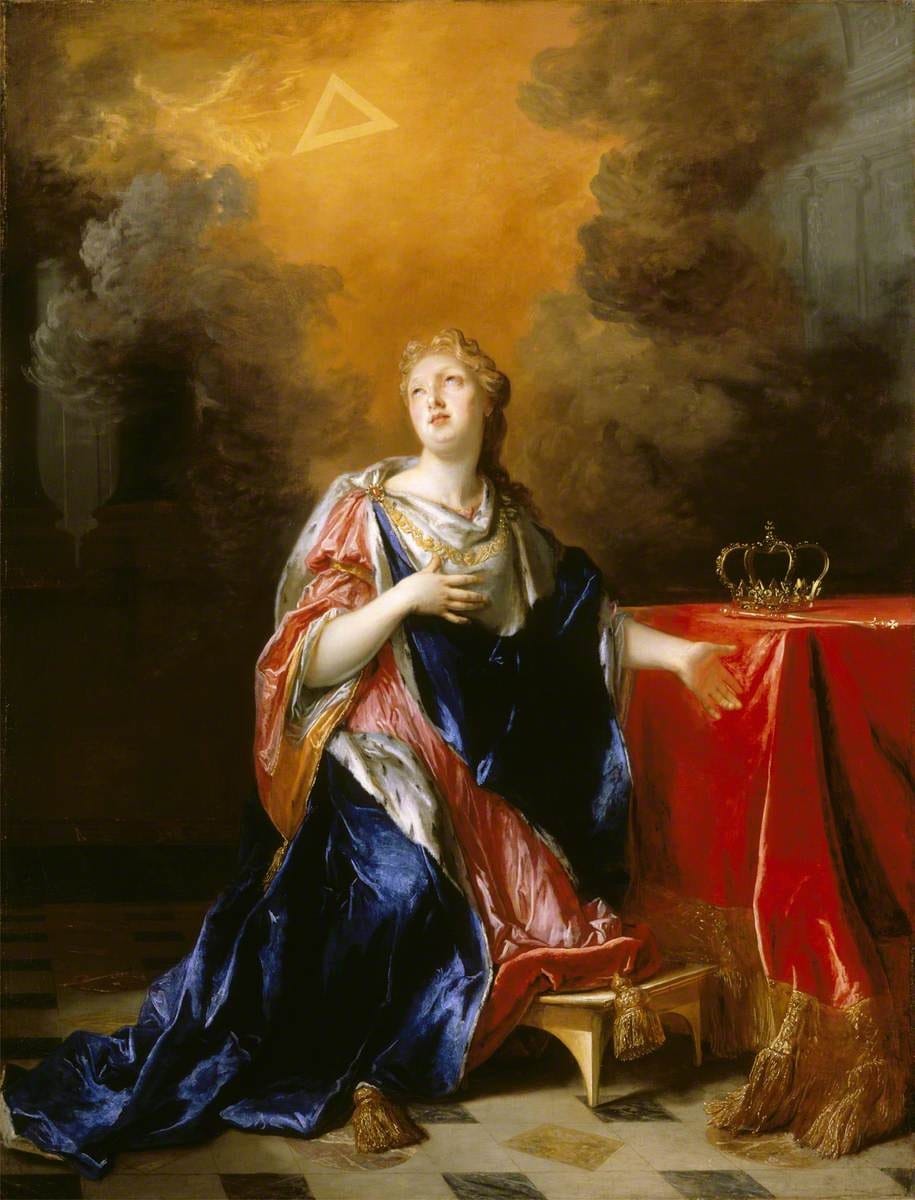
June 10: St. Margaret, Queen of Scotland

From Dom Guéranger’s The Liturgical Year.

SCOTLAND had long been Christian when Margaret was given to her to establish, amidst a population so diversified, and so often at mutual enmity as was hers, that unity which makes a nation. Ancient Caledonia, defended by her lakes, mountains, and rivers, had, up to the fall of the Roman empire, kept her independence. But, whilst herself inaccessible to invading troops, she had become the refuge of the vanquished of every race and the proscribed of every epoch. Many an advancing wave, that had paused at the feet of her granite frontiers, had swept pitilessly over the southern provinces of the great British island. Britons, Saxons, and Danes in turn, dispossessed and driven from their homes, fleeing northwards, had successively crept in, and settling down as best they might, had maintained their own customs in juxtaposition with those of the first inhabitants, adding consequently their own mutual jealousies to the inveterate divisions of the Picts and Scots. But from the very evil itself the remedy was to come. God, in order to show that he is master of revolutions just as he is of the surging waves, was about to confide the execution of his merciful designs upon Scotland to such casual instruments as a storm or a political overthrow may sometimes prove to be.

This week's Sunday: The Third Sunday after Pentecost

From Dom Guéranger’s The Liturgical Year.

The faithful soul has now witnessed in the holy liturgy the close of the mysteries of our redemption. The Holy Ghost has come down to support her during this second portion of her career, by forming and developing within her the fullness of the Christian life as taught by her divine Saviour when on earth. He begins by teaching her how to pray. Prayer, said our Lord, must be continual: we ought always to pray, and not to faint. We know not what we should pray for as we ought; but the holy Spirit helpeth our infirmity, and Himself asketh for us with unspeakable groanings.

In the Introit and the whole Mass for this Sunday, we are taught that prayer must have, amongst its other requisite qualities, that of humble repentance for our past sins, and of confidence in God’s infinite mercy.

This is the Third Sunday after Pentecost; it is the first that has no rubrical connexion with the great feasts we have been solemnizing; it is a Sunday with all the simplicity of the Office of the Time.

Respice in me, et miserere mei, Domine, quoniam unicus et pauper sum ego; vide humilitatem meam, et laborem meum: et dimitte omnia peccata mea, Deus meus.

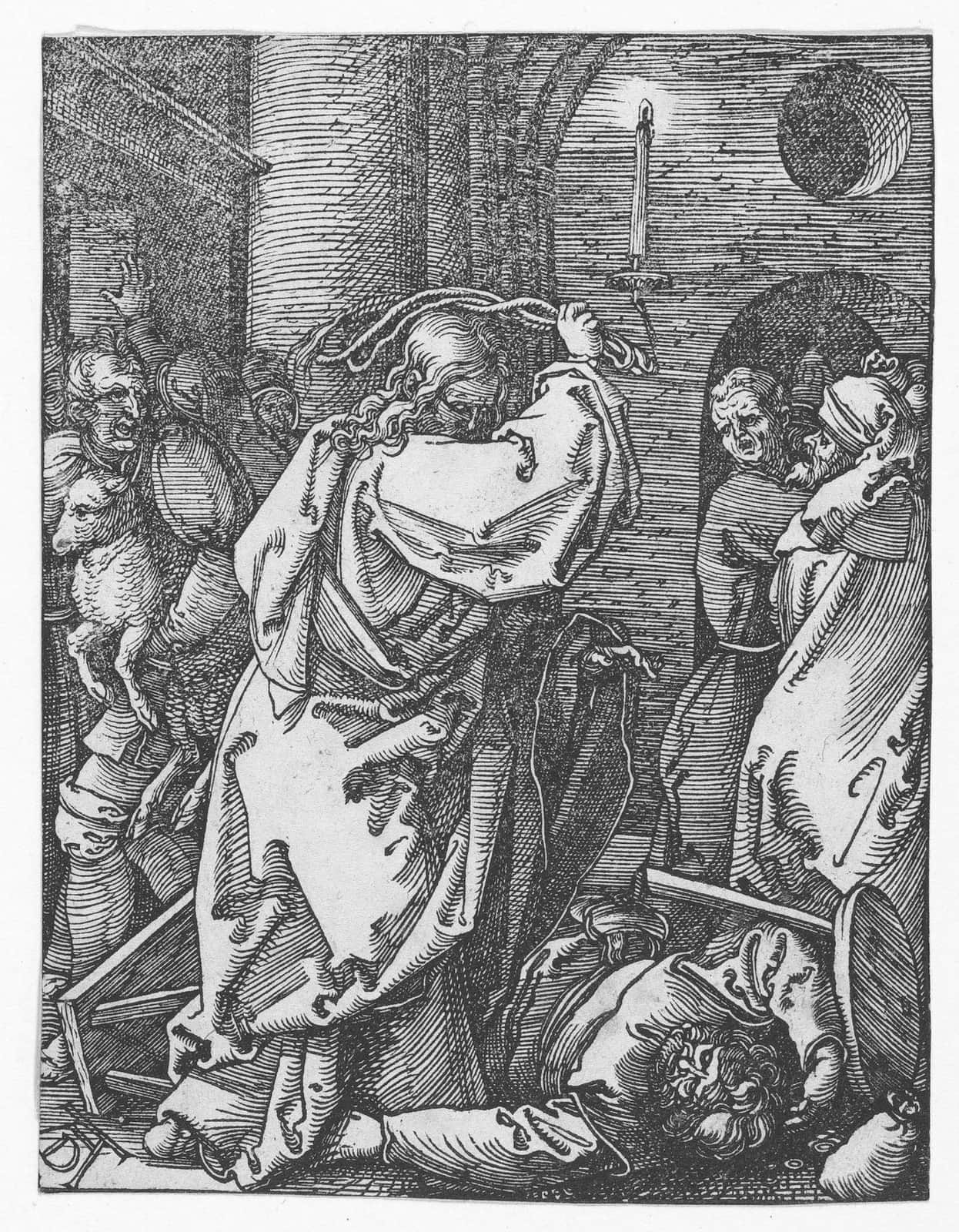
Christ driving the money-changers from the Temple
Albrecht Dürer (1471–1528), Christ Expelling the Money Lenders, from The Small Passion, ca. 1508. Credits

Email view of this day