This day

June 14, 2027

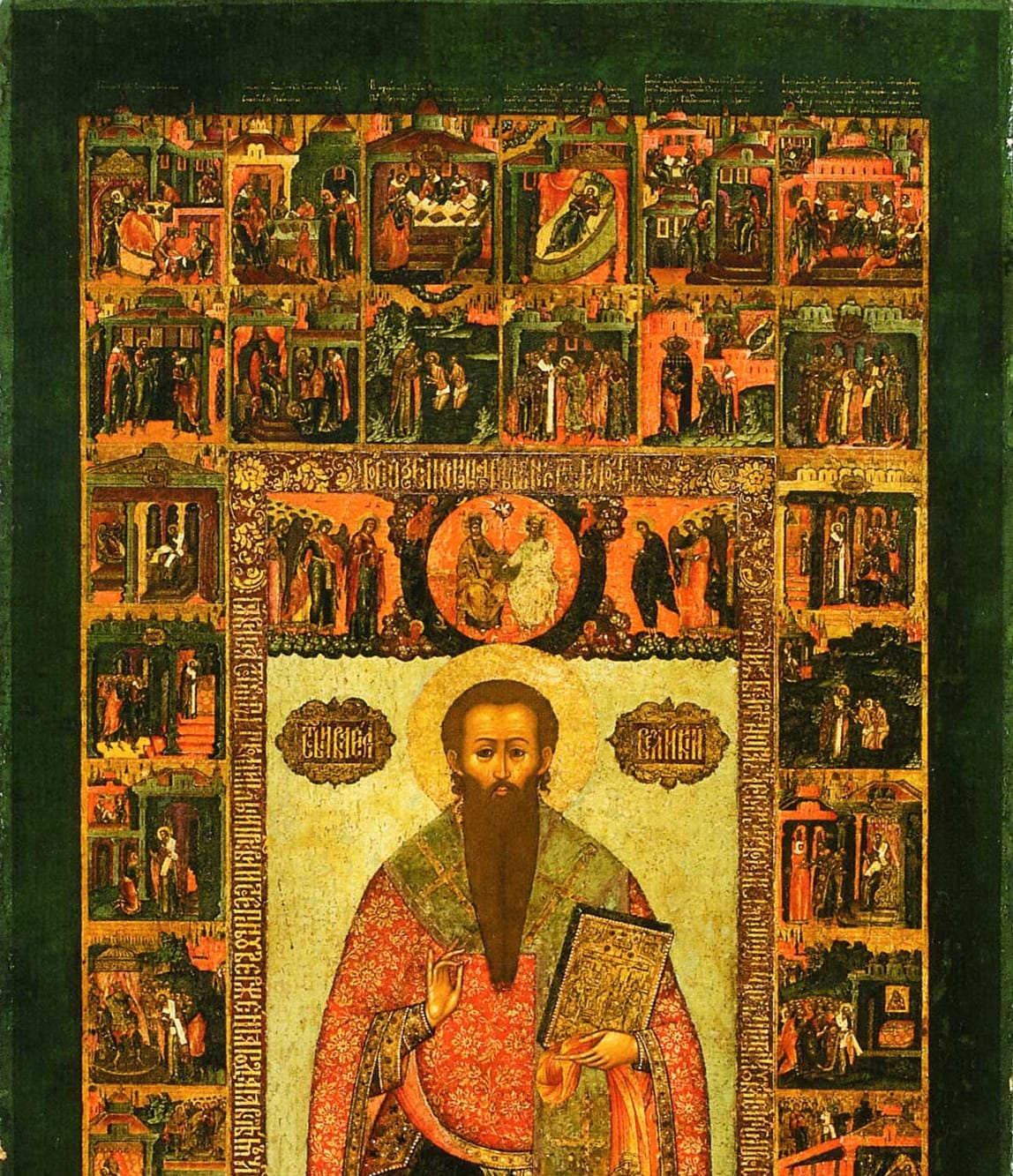
St Basil the Great as bishop-doctor
Basil the Great, Semen Spiridonov Kholmogorets, 1674. Credits

After Pentecost

June 14, 2027

June 14: St. Basil the Great, Bishop and Doctor of the Church

From Dom Guéranger’s The Liturgical Year.

THE Doctors who form the fourfold glory of the Greek Church complete their sacred number in the cycle to day. John Chrysostom was the first to greet us with his radiant light during Christmastide; the glorious Pasch saw the rise of two resplendent luminaries, Athanasius and Gregory Nazianzen; Basil the Great, having checked his effulgent blaze till now, illumines the reign of the Holy Ghost. He well deserves so distinguished a place, by reason of his eminent doctrine and brave combats, which prepared the way for the triumph of the divine Paraclete over the blasphemies of the impious sect of Macedonius, who used against the third Person of the consubstantial Trinity the very same arguments invented by Arius against the divinity of the Word. The Council of Constantinople, putting the finishing stroke to that of Nicæa, formulated the faith of the Churches, in him who proceedeth from the Father, no less than doth the Word himself, who is adored and glorified conjointly with the Father and the Son. Basil was not there on the day of victory; prematurely exhausted by austerities and labours, he had been sleeping the sleep of peace for quite two years, when this great definition was promulgated.

This week's Sunday: The Fourth Sunday after Pentecost

From Dom Guéranger’s The Liturgical Year.

The fourth Sunday after Pentecost was called, for a long period, in the west, the Sunday of mercy, because, formerly, there was read upon it the passage from St. Luke beginning with the words: ‘Be merciful, as your Father is merciful.’ But, this Gospel having been since assigned to the Mass of the first Sunday after Pentecost, the Gospel of the fifth Sunday was made that of the fourth; the Gospel of the sixth became that of the fifth; and so on, up to the twenty-third. The change we speak of was, however, not introduced into many Churches till a very late period; and it was not universally received till the sixteenth century.

Whilst the Gospels were thus brought forward a week, in almost the whole series of these Sundays, the Epistles, Prayers, and the other sung portions of the ancient Masses were, with a few exceptions, left as originally drawn up. The connexion which the liturgists of the eleventh, twelfth, and thirteenth centuries had fancied they found between the Gospel and the rest of the liturgy for these Sundays was broken.

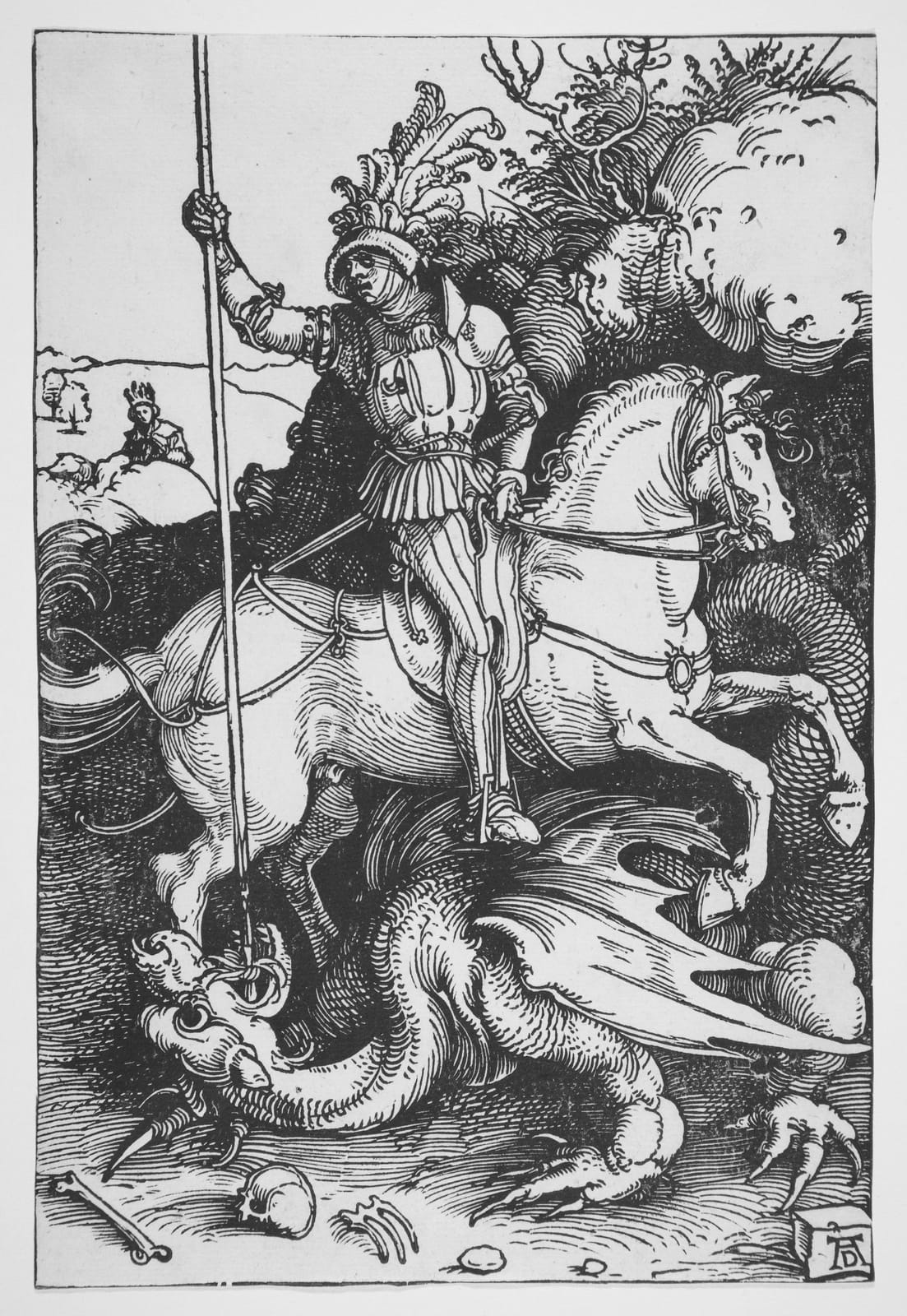
Saint George slaying the dragon
Albrecht Dürer (1471–1528), Saint George Slaying the Dragon, ca. 1504. Credits

Email view of this day