This day

June 15, 2027

After Pentecost

June 15, 2027

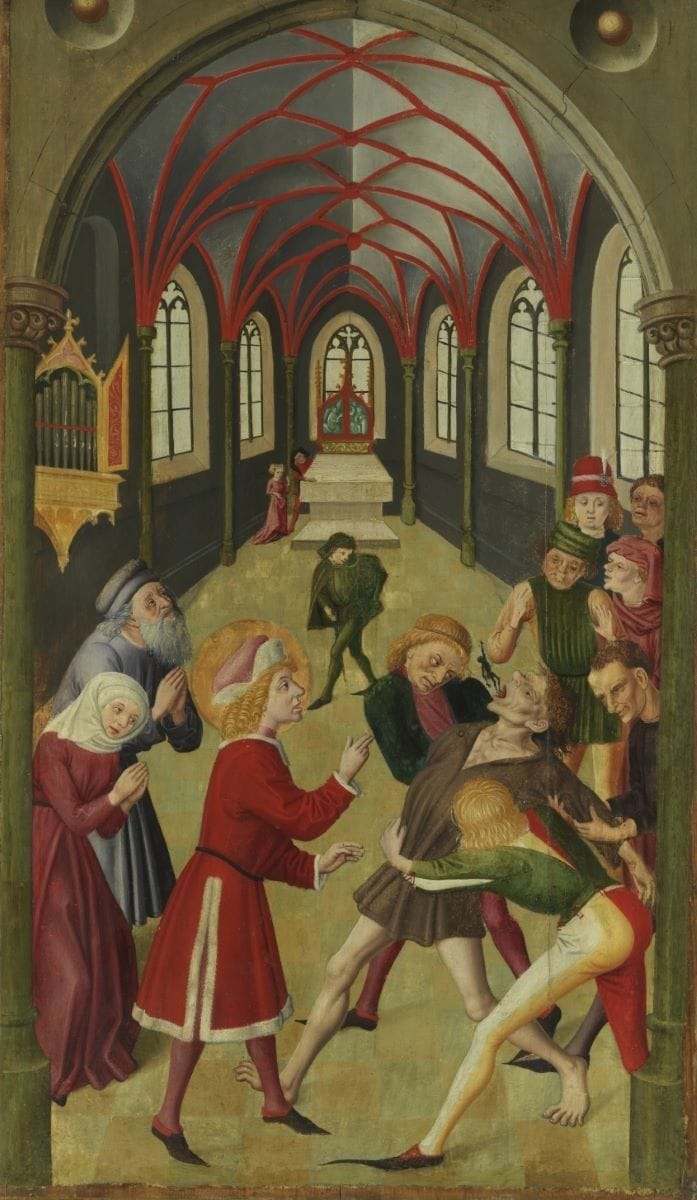
June 15: Sts. Vitus, Modestus, and Crescentia, Martyrs

From Dom Guéranger’s The Liturgical Year.

ONE of the titles of the Divine Spirit, who is reigning so specially over this portion of the cycle, is the Witness of the Word. Thus was he announced to the world, by the Man-God himself, when about to quit it in order to return to his Father, after having, on his part, rendered his own great testimony to sovereign Truth. Formed by the Holy Ghost on the type of Jesus Christ, the faithful too are witnesses, whose mission is to trample upon lying error, the enemy of God, by expressing the truth, not in words only, but in deeds. There is a testimony, however, that is not given unto all to render, this is the testimony of blood; the martyrs hold this privilege, this is the special stand granted to them in the ceaseless battle ever being waged betwixt truth and falsehood, and this battle is the sum total of all history. Hence martyrs come crowding on the brilliant heavens of holy Church at this season. In a few days the Church will be all thrilling with gladness at the birth of St John the Baptist, that man great beyond all men, whose greatness especially consists in that he was sent by God to be a witness, to give testimony of the light.

This week's Sunday: The Fourth Sunday after Pentecost

From Dom Guéranger’s The Liturgical Year.

The fourth Sunday after Pentecost was called, for a long period, in the west, the Sunday of mercy, because, formerly, there was read upon it the passage from St. Luke beginning with the words: ‘Be merciful, as your Father is merciful.’ But, this Gospel having been since assigned to the Mass of the first Sunday after Pentecost, the Gospel of the fifth Sunday was made that of the fourth; the Gospel of the sixth became that of the fifth; and so on, up to the twenty-third. The change we speak of was, however, not introduced into many Churches till a very late period; and it was not universally received till the sixteenth century.

Whilst the Gospels were thus brought forward a week, in almost the whole series of these Sundays, the Epistles, Prayers, and the other sung portions of the ancient Masses were, with a few exceptions, left as originally drawn up. The connexion which the liturgists of the eleventh, twelfth, and thirteenth centuries had fancied they found between the Gospel and the rest of the liturgy for these Sundays was broken.

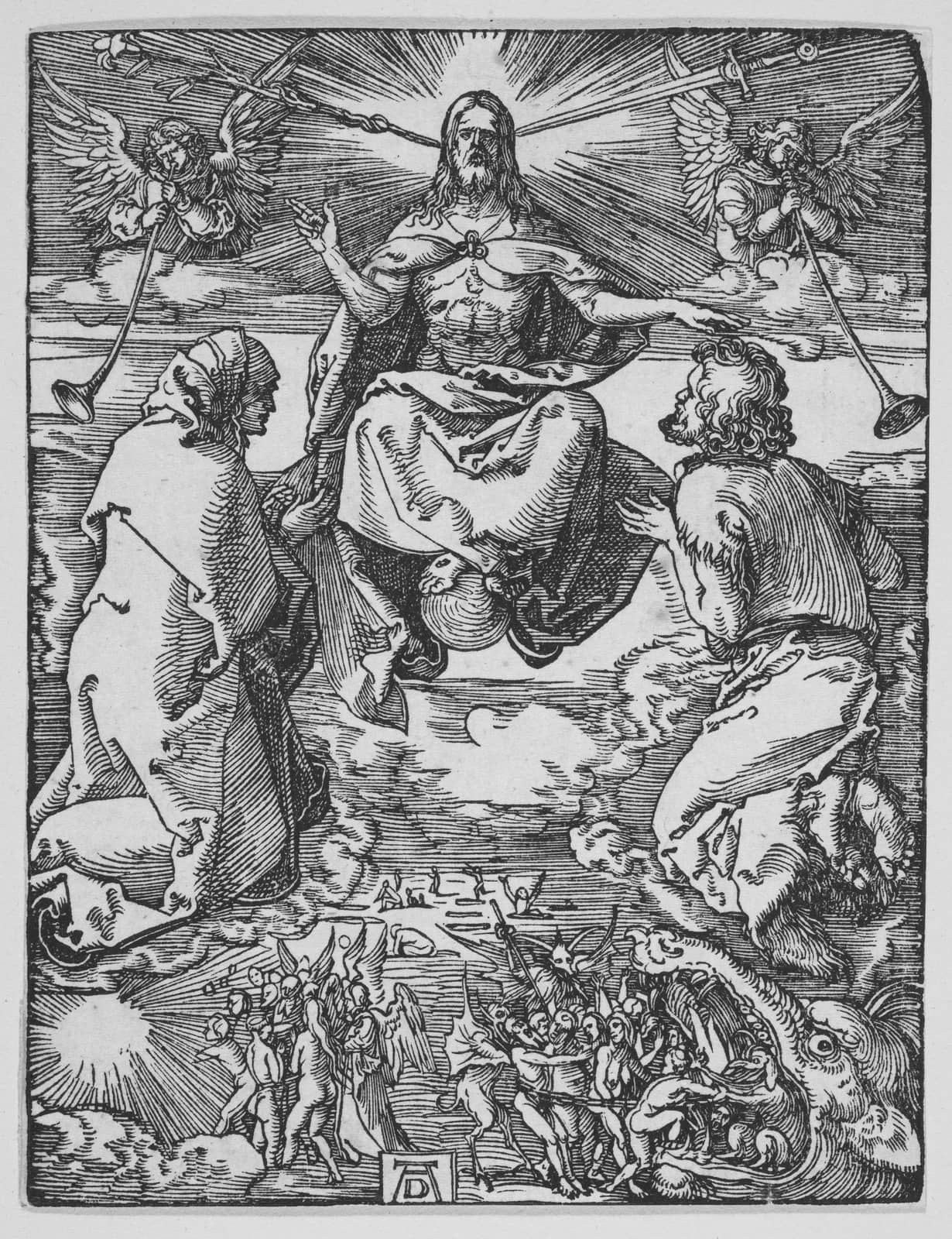
The Last Judgment
Albrecht Dürer (1471–1528), The Last Judgment, from The Small Passion, ca. 1510. Credits

Email view of this day